European Equities Surge Amid Trade Deal Optimism
European equity markets are experiencing a significant uplift, driven by a palpable sense of anticipation surrounding potential trade agreements. This renewed confidence has propelled key indices across the continent to new highs, signaling a robust bullish trend that has overshadowed earlier sluggish performance. The market's strong reaction underscores the profound impact that trade negotiations have on global financial sentiment, illustrating how quickly investor outlooks can shift with positive developments.
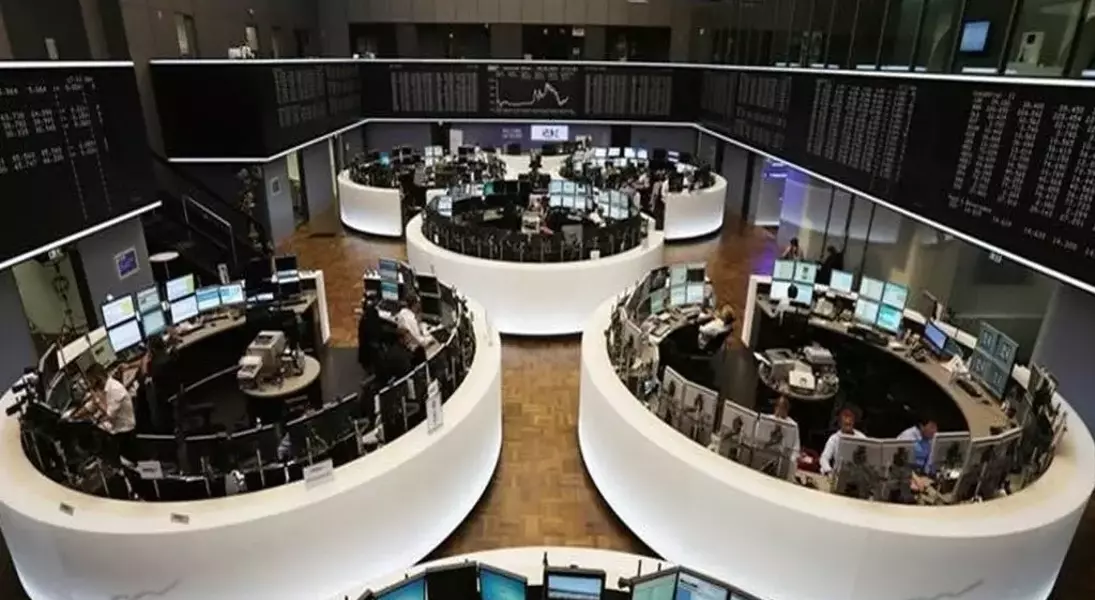
The current market exuberance is not confined to Europe alone; US futures are also reflecting a stable, albeit mixed, picture, with technology stocks leading the charge. This interconnectedness highlights how global trade relations, particularly between major economic blocs, can ripple through international markets, influencing investment strategies and contributing to overall economic buoyancy. The prevailing mood suggests a collective belief in a favorable resolution to trade discussions, which continues to fuel upward momentum.
Market Momentum and Trade Hopes
European stock exchanges began the trading day on a positive note, building upon previous gains, as investors maintained an optimistic stance regarding the prospects of a trade deal between the United States and the European Union. This widespread optimism has been a significant catalyst, pushing various regional indices higher. The resilience and upward trajectory of these markets suggest a strong belief among participants that favorable trade outcomes are on the horizon, contributing to a buoyant investment climate.
The positive sentiment is clearly reflected in the performance of major European indices: the Eurostoxx climbed by 0.7%, Germany's DAX rose by 1.1%, France's CAC 40 increased by 0.3%, and Italy's FTSE MIB advanced by 0.5%. Notably, the UK FTSE achieved a new record high with a 0.5% gain, further solidifying the prevailing bullish mood across the continent. This impressive resurgence in market activity, especially after a somewhat subdued start to the week, underscores the critical role that trade-related news plays in shaping investor confidence and market trajectories. The expectation of a successful trade agreement is proving to be a dominant force, guiding trading behavior and fostering an environment of growth. Simultaneously, US futures also demonstrated steadiness, with S&P 500 futures remaining flat and Nasdaq futures showing a modest 0.2% increase, primarily driven by tech sector strength, while Dow futures experienced a slight dip of 0.3%. This mixed performance in the US, coupled with strong European gains, paints a complex but generally optimistic global market picture heavily influenced by international trade dialogue.
Global Market Response and Outlook
The positive opening across European stock markets is a testament to the powerful influence of trade deal expectations on global financial indicators. The remarkable turnaround in market sentiment this week, following an earlier period of sluggishness, underscores how deeply intertwined global economies are and how pivotal trade negotiations are to investor confidence. This shift from hesitation to robust growth signals a collective anticipation of economic stability and increased trade flows, which invariably translates into higher asset valuations.
As the UK FTSE sets new benchmarks and other European indices continue their upward march, the underlying current of optimism is undeniable. The market's vigorous response to the potential US-EU trade agreement highlights the singular importance of such developments in shaping broader economic narratives. It's a clear indication that a successful resolution to trade discussions can quickly galvanize investment activity and foster an environment of growth. This bullish momentum is not isolated, as US futures also show signs of stability, particularly in the technology sector, reflecting a broader global interconnectedness where positive trade news can generate ripple effects. While the Dow futures experienced a marginal decline, the overall picture points to a market that is keenly attuned to trade policy, with the prospect of an agreement acting as a primary driver of positive sentiment and investment decisions. This dynamic interplay between policy and market performance continues to define the current investment landscape, with trade optimism being a key determinant of financial health.