Federal Reserve Officials to Speak Amidst Blackout Period
Federal Reserve Chairman Jerome Powell and Vice Chair for Supervision Michelle Bowman are slated to address different gatherings this Tuesday, with their appearances occurring during a mandated 'blackout period' for Federal Open Market Committee (FOMC) members. Chairman Powell is set to offer introductory comments at a conference focusing on the revised capital framework for major banking institutions, a hybrid event hosted by the Federal Reserve, scheduled for 12:30 GMT (8:30 AM US Eastern time).
Separately, Vice Chair Bowman will host a dialogue at 17:00 GMT (1:00 PM GMT) during the same Federal Reserve-hosted Capital Framework for Large Banks Conference. Her discussion will delve into the implications of artificial intelligence for banking, businesses, and consumers, exploring avenues to foster innovation within the banking and financial systems. It is crucial to recognize that the ongoing 'blackout period' for the Federal Reserve means that neither official is expected to provide insights into the economic landscape or potential shifts in monetary policy during their scheduled remarks.
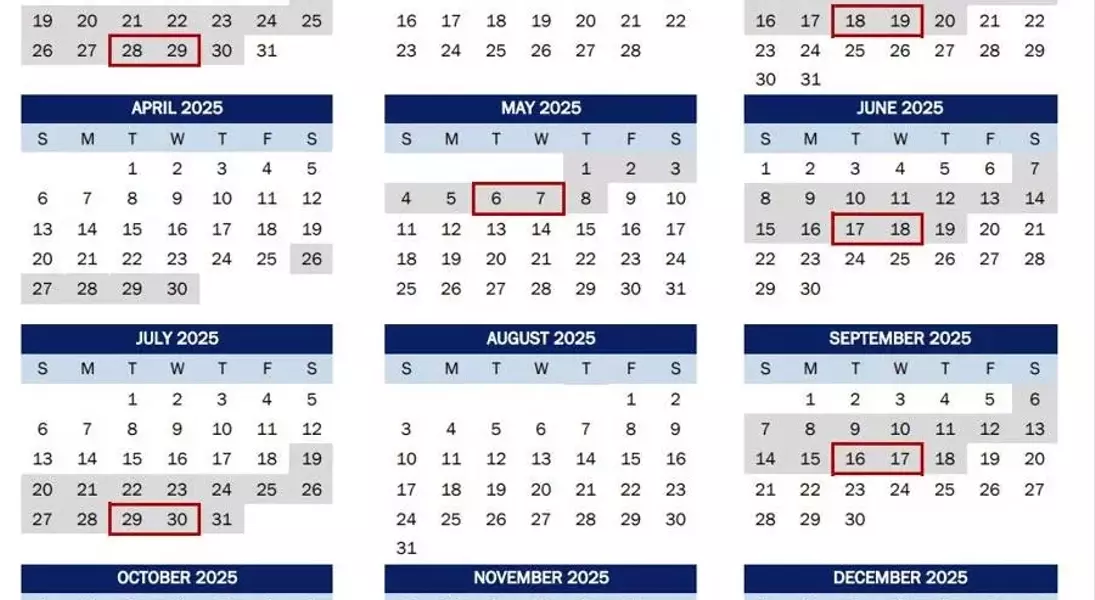
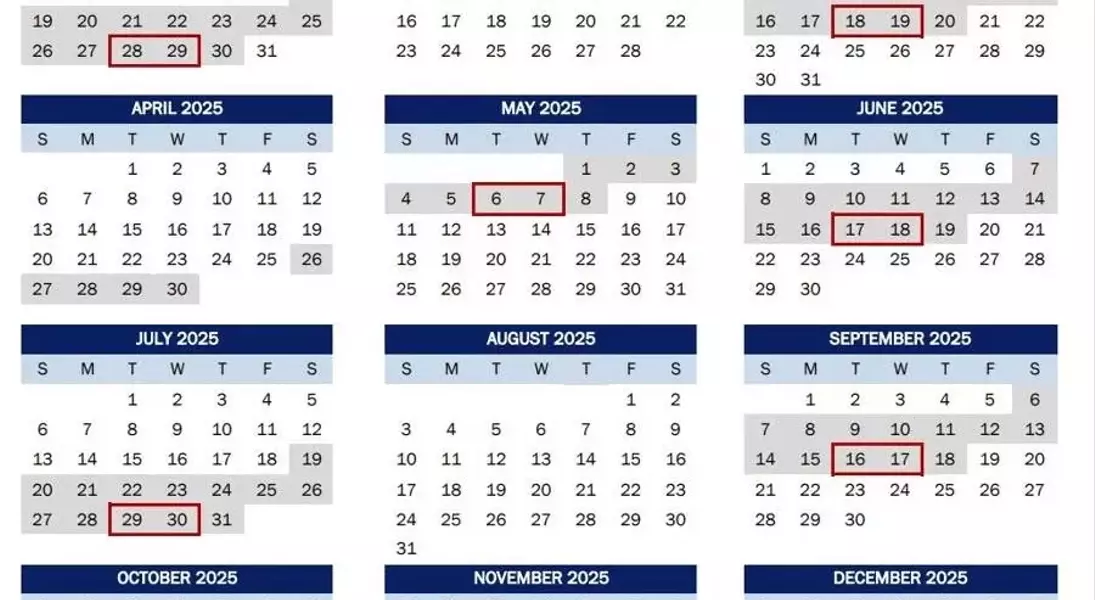
This 'blackout period' is a strict policy implemented by the Federal Reserve, restricting public statements and interviews by FOMC participants and staff. It commences two Saturdays prior to each FOMC meeting, ensuring that market speculation regarding upcoming policy decisions is minimized and communication is centralized following the official meeting. Therefore, despite their public appearances, the content of their speeches will be carefully managed to avoid any commentary on sensitive economic or monetary policy matters, adhering strictly to the established guidelines.
The scheduled addresses by Chairman Powell and Vice Chair Bowman, even within the confines of the blackout period, underscore the Federal Reserve's commitment to transparency and dialogue on crucial financial topics, demonstrating a dedication to fostering understanding and stability within the financial system. It is through these measured communications that the institution continues to build trust and guide public perception, reinforcing its pivotal role in economic governance and development.