Ghanaian Cedi's Resurgence: A Testament to Strategic Policy and Market Dynamics
The Ghanaian Cedi has experienced a remarkable resurgence in 2025, appreciating significantly against the U.S. dollar. This recovery marks a stark contrast to its previous status as one of the weakest global currencies in 2022. Analysts are now questioning whether this impressive performance is driven by sustainable economic fundamentals or merely temporary market fluctuations. To address this query, an in-depth analysis utilizing four models—Demand and Supply Analysis (DSA), Government Policy Measures (GPM), Test of Inflation and Interest Rates (TIIR), and External Environment and Global Risk (EEGR)—is presented.
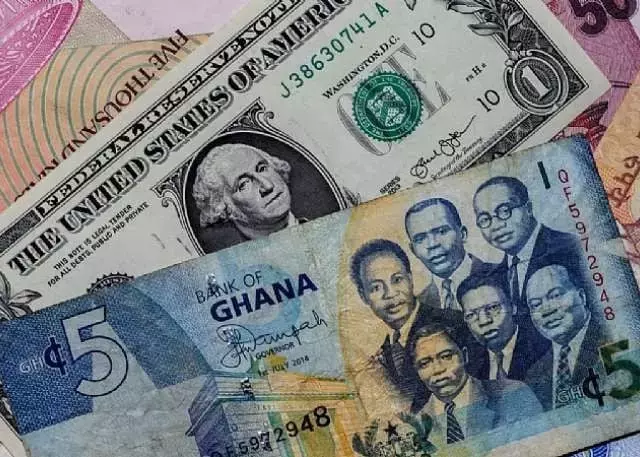
Key factors contributing to the Cedi's appreciation include increased foreign exchange inflows from robust exports, particularly gold and cocoa, strategic government interventions, and favorable global conditions. However, sustaining these gains hinges on managing inflation, maintaining attractive interest rates, and ensuring resilience against external economic risks. This article explores the interplay of these elements in shaping the Cedi's future trajectory.
Market Dynamics and Export Performance
The demand and supply dynamics of foreign currency play a pivotal role in the Cedi's recent gains. Increased global prices for Ghana's primary export commodities, such as gold and cocoa, have bolstered foreign exchange inflows. These enhanced earnings have strengthened the supply side of foreign exchange, creating conditions conducive to the Cedi's appreciation.
Global gold prices surged over 60% since early 2024, allowing Ghana to earn more foreign currency without increasing production volumes. Similarly, cocoa revenue climbed to $1.84 billion in the first quarter of 2025, up from $1.7 billion in the same period last year. These developments have significantly improved Ghana’s balance of payments. On the demand side, while various sectors continue to require U.S. dollars, the overall demand has been relatively stable compared to the substantial increase in supply. Consequently, the local currency's value has appreciated due to this favorable balance.
Policy Interventions and Economic Stability
Government policies have played a crucial role in stabilizing and strengthening the Cedi. Strategic measures, including monetary injections, initiatives to bolster reserves, and fiscal discipline, have contributed to investor confidence and macroeconomic stability. The Bank of Ghana's intervention in the forex market exemplifies these efforts.
In April 2025, the central bank injected $490 million into the forex market, immediately stabilizing the interbank exchange rate. Additionally, the Gold-for-Reserves initiative mandates purchasing 20% of the country's gold exports to enhance reserves, improving market sentiment. Continued support from the International Monetary Fund through its Extended Credit Facility reassures international investors and strengthens Ghana’s creditworthiness. Furthermore, the government's commitment to fiscal discipline, reducing reliance on external borrowing, and maintaining transparency in multilateral support usage underscores its dedication to long-term economic stability. These policy interventions collectively contribute to sustaining the Cedi's appreciation momentum amidst evolving global economic landscapes.