HSBC's Latest Forecast: A Stagnant Path for the US Dollar's Rebound
According to recent analyses from HSBC's foreign exchange research division, the prospects for a substantial appreciation of the US dollar appear dim for the foreseeable future. This assessment suggests that the conventional drivers of dollar strength have been disrupted, leading to a more complex and challenging environment for the currency. The bank's insights highlight that traditional indicators, once reliable predictors of the dollar's trajectory, are now exhibiting a diminished influence, pointing to a need for a re-evaluation of market dynamics.
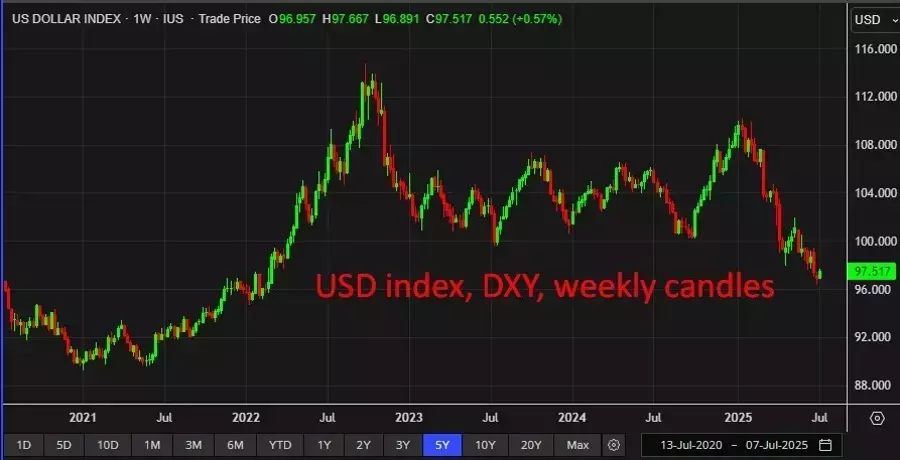
Dollar's Disconnected Path: Unraveling the Market's Mysteries
On a recent Monday, specifically the 7th of July, 2025, financial experts at HSBC presented a compelling argument regarding the United States dollar's current predicament. Their analysis, delivered from a global perspective, underscores that the customary conditions typically fostering a sustained dollar recovery are conspicuously absent. A pivotal point in their findings is the observed breakdown in the historical relationship between the dollar's value and the yield advantage of US assets, both in nominal and real terms, when compared to other prominent currencies. In previous periods, a positive correlation meant that higher US yields would generally bolster the dollar. However, throughout 2025, the DXY dollar index, a key measure of the dollar's value against a basket of major currencies, has deviated from closely tracking these interest rate differentials. This decoupling suggests that other, more influential forces are now at play in shaping the dollar's performance. Among these cited influences are the pervasive policy uncertainties emanating from the United States, as well as structural considerations such as strategic hedging by investors seeking to mitigate dollar volatility, and ongoing pressures related to the current account balance. These combined factors paint a picture of a dollar market influenced by a diverse and intricate web of financial and political considerations.
From a market observer's vantage point, these pronouncements from a reputable institution like HSBC serve as a critical reminder of the multifaceted nature of currency markets. The notion that established relationships, like that between the dollar and yield advantages, can become dislocated is a powerful lesson in financial adaptability. It compels one to consider that a holistic view, encompassing not only economic fundamentals but also geopolitical landscapes and investor sentiment, is paramount for accurate forecasting. This analysis encourages a deeper dive into the less obvious, yet equally impactful, undercurrents that shape global financial flows, pushing us to look beyond simplistic correlations and embrace the inherent complexities of the world's leading reserve currency.