Market Opening: USD Strength Amidst New Tariff Announcements
As the new trading week begins, the foreign exchange market is experiencing dynamic shifts, especially concerning the US Dollar. Participants are advised to exercise caution due to fluctuating liquidity, particularly during the early hours as Asian trading centers progressively become active.
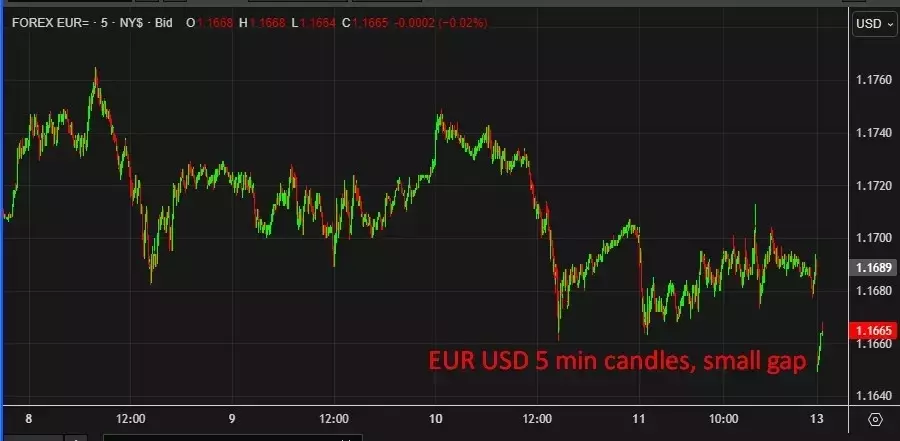
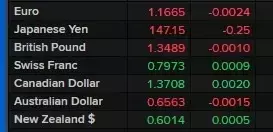
A significant factor influencing the market’s opening dynamics is the recent announcement over the weekend regarding the imposition of 30% tariffs by the United States on goods from the European Union and Mexico, effective August 1st. This development has led to an immediate strengthening of the US Dollar, creating a noticeable gap in its opening levels. However, seasoned market analysts suggest that such initial gains often precede a 'gap fill,' a common phenomenon observed in previous cycles of tariff announcements and subsequent policy adjustments.
The current market landscape is a testament to the intricate interplay between geopolitical events and currency valuations. The immediate reaction to the tariff news highlights the market's sensitivity to trade policy. While the dollar's upward movement is a direct reflection of this news, historical patterns indicate that these initial reactions can often be temporary, paving the way for eventual corrections as the market fully processes the long-term implications of such policies. Investors and traders should remain vigilant and adapt their strategies to navigate these evolving conditions, recognizing that market movements, while driven by immediate headlines, often revert to underlying economic fundamentals.
In times of global economic interconnectedness, understanding and adapting to market shifts is crucial. The recent movements in the foreign exchange market underscore the importance of informed decision-making and resilience. Embracing knowledge and maintaining a proactive approach allows individuals to not only navigate challenges but also to identify opportunities for growth and prosperity, fostering a more stable and equitable financial future for all.