OPEC+ Production Surge: Market Impact and Future Outlook
Navigating the Evolving Landscape of Global Oil Production
OPEC+'s Unexpected Production Boost: Unpacking the Latest Figures
In a notable development, the OPEC+ alliance has committed to elevating its oil output by 548,000 barrels per day (bpd) in August, a figure considerably higher than the 411,000 bpd increase observed in July. This ambitious adjustment effectively restores nearly 80% of the 2.2 million bpd voluntarily curtailed by eight OPEC members, reintroducing a substantial volume of crude into the global market. Despite these plans, the actual production increases have, until now, remained below the targeted levels, with Saudi Arabia largely accounting for the observed supply growth.
Strategic Drivers Behind the Production Increase
The rationale behind OPEC+'s decision is multifaceted, stemming from several key economic indicators and market conditions. The alliance cited a consistently positive global economic outlook, indicating a robust demand for energy. Furthermore, the healthy fundamentals of the oil market, coupled with dwindling oil inventories, underscored the necessity and feasibility of augmenting supply. These factors collectively informed the group's confidence in releasing additional oil without jeopardizing market stability.
Analyst Reactions: Competition and Revenue Considerations
Market analysts have been quick to dissect the implications of OPEC+'s aggressive production strategy. A prevailing sentiment suggests that this increased output will intensify competition for market share among oil producers. Concurrently, there is an expectation that OPEC+ demonstrates a degree of tolerance for the potential repercussions on oil prices and, consequently, on their revenue streams. This indicates a strategic pivot towards securing long-term market presence over immediate price optimization.
Immediate Market Response and Future Projections
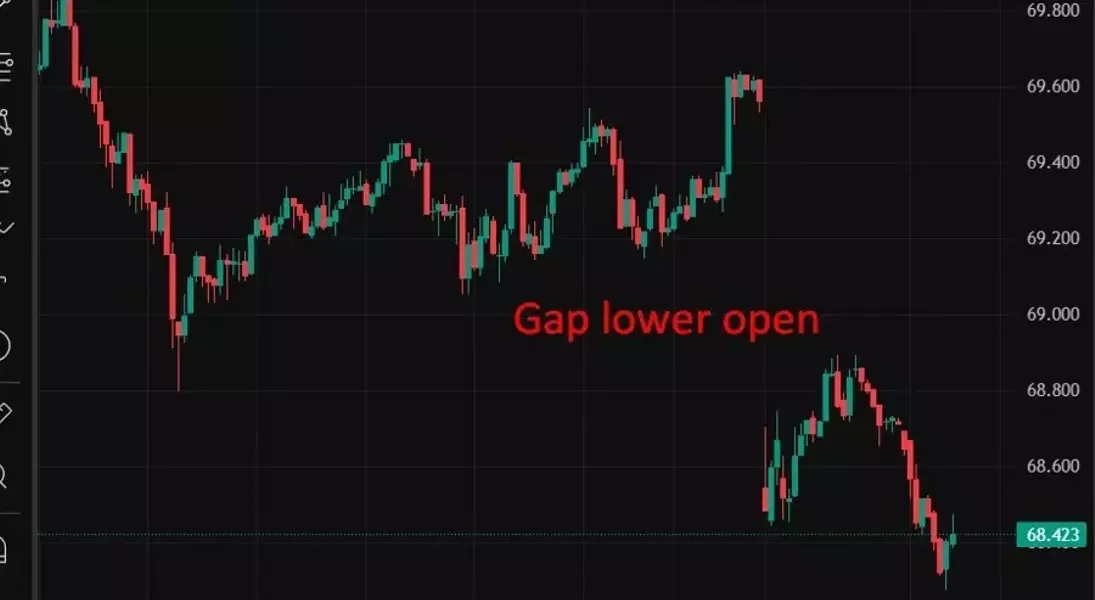
The announcement triggered an immediate reaction in the oil markets, with prices experiencing a modest decline of just over 1% at the Globex open. Looking ahead, financial institutions like Goldman Sachs anticipate further production adjustments. They project an additional 550,000 bpd increase for September, signaling a continued upward trajectory in supply. This forward-looking assessment suggests that the current expansion in oil output is part of a sustained effort to rebalance supply and demand, with potential implications for global energy prices and economic stability.