Upcoming Trade Announcements and Tariff Implications
Significant trade policy updates are on the horizon, with discussions highlighting a strategic pivot towards increased tariffs as a means to mitigate the national deficit. These impending announcements, anticipated within the next two days, suggest a potential reshaping of international trade dynamics. Meanwhile, the relative strength of other global currencies against the US dollar has become a focal point, indicating broader shifts in currency valuations. Furthermore, high-level diplomatic engagements are scheduled with Chinese officials, signaling an intent to explore avenues of cooperation that extend beyond traditional trade agreements.
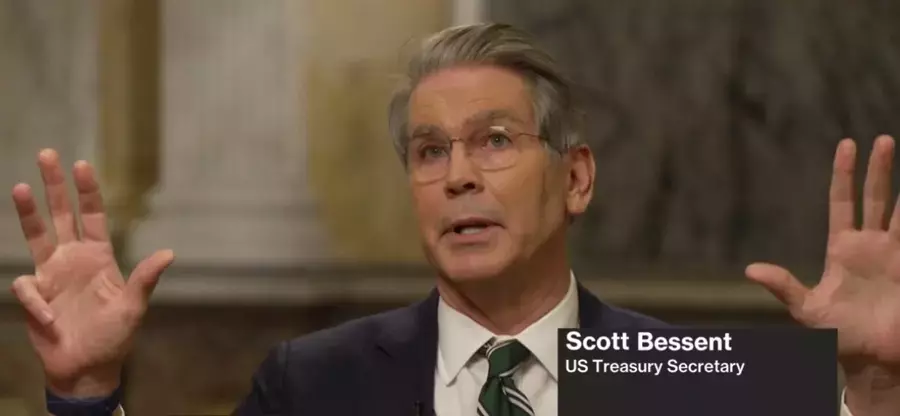
The current discourse emphasizes the administration's resolve to implement tariffs that surpass existing Congressional Budget Office (CBO) estimates. This aggressive stance implies a departure from conventional reciprocal trade measures, potentially positioning the US with higher import duties compared to its trading partners. Such a move aims to generate substantial revenue, thereby contributing to a reduction in the national fiscal imbalance. The upcoming bilateral discussions with China are crucial, as they could define the future trajectory of economic relations and potentially foster collaborations in non-trade-related sectors, provided there is mutual willingness to engage constructively.
Impending Trade Policy Shifts
In the coming 48 hours, a series of pivotal trade announcements are expected to emerge, indicating a significant recalibration of global trade policies. These developments are poised to introduce new tariffs, which are reportedly set to exceed the current forecasts from the Congressional Budget Office. The strategic intent behind these elevated tariffs is multifaceted, primarily aiming to generate substantial revenue and address the pressing issue of the national deficit. This shift underscores a more assertive approach to trade, with potential implications for various sectors and international economic relationships.
The forthcoming trade declarations will likely outline specific tariff adjustments, including a notable 20% tariff on goods from Vietnam. This aggressive posture suggests a strategic move to leverage tariffs as a primary tool for economic policy, moving beyond purely reciprocal trade agreements. The discussions also hint at new offers and agreements that, despite their potential to alleviate some trade tensions, are fundamentally aligned with the goal of increasing tariff-generated income to reduce the budget shortfall. The anticipated announcements are expected to provide clarity on the scope and impact of these new trade measures, shaping the economic landscape for the foreseeable future.
Global Economic Dynamics and Diplomatic Engagements
The global economic landscape is currently experiencing dynamic shifts, notably reflected in the weakening of the US dollar against other major currencies. This trend suggests a broader rebalancing of currency valuations, influencing trade flows and investment patterns worldwide. Concurrently, the focus on international trade relations extends to high-level diplomatic engagements, particularly with China. Upcoming meetings between US and Chinese representatives aim to explore potential areas of collaboration that transcend traditional trade discussions, signaling a desire for broader strategic alignment.
Amidst these currency fluctuations, a key agenda item for the US administration is to meet with its Chinese counterparts within the next few weeks. These discussions are expected to delve into opportunities for mutual cooperation, extending beyond trade disputes to encompass other strategic domains. This indicates a recognition that while tariffs play a role in domestic economic strategy, there are also broader geopolitical and economic imperatives that necessitate dialogue and potential partnership. The success of these engagements hinges on China's willingness to participate in such expanded collaborative efforts, which could pave the way for a more stable and cooperative international economic environment.