US Tariff Implementation: A Shifting Timeline
The initiation of new import duties by the United States has been a protracted affair, marked by several revised implementation dates. What began with an initial target of April 9th was subsequently pushed to July 9th, and has now been further deferred to August 1st. This series of delays introduces considerable uncertainty into global trade relations, prompting diverse reactions from observers. Some interpret these extensions as a sign of policy wavering, while others view them as deliberate tactical maneuvers in complex trade discussions. Regardless of the interpretation, the prolonged ambiguity surrounding these measures underscores the intricate nature of international economic policy and its potential effects on market stability.
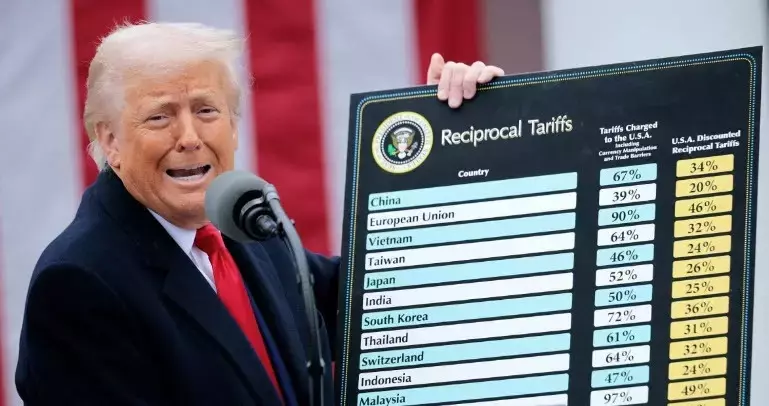
Originally, the American administration had pinpointed April 9th as the date for new trade levies to come into effect. This announcement caused immediate reverberations in financial markets, leading to a notable downturn. In response to these market fluctuations and possibly to recalibrate strategic approaches, the deadline was then rescheduled to July 9th. This initial adjustment drew sharp criticism from various commentators, who coined a disparaging moniker for the then-president, suggesting a tendency to backtrack under pressure. However, proponents argued that such flexibility was not a sign of weakness, but rather a sophisticated element of a broader negotiation strategy, aimed at achieving more favorable trade agreements.
The most recent deferral to August 1st reignites these debates. The economic landscape continues to grapple with the implications of such trade policies. Historical precedents, like the Smoot-Hawley Tariff Act, serve as stark reminders of the potential negative consequences that widespread protectionist measures can unleash on international commerce and global economic health. While proponents of the current administration's stance maintain that these postponements are part of an astute bargaining process, designed to extract concessions from trade partners, skeptics remain unconvinced, pointing to the ongoing market volatility and the persistent cloud of uncertainty. The international community watches closely, analyzing each shift in the timeline for clues about the future direction of trade relations and their broader economic impact.
The recurring shifts in the effective date for the new tariffs reflect an intricate interplay of economic strategy, political maneuvering, and market reactions. This evolving situation continues to shape perspectives on international trade, highlighting the delicate balance between domestic policy objectives and global economic stability. The implications of these decisions extend beyond mere economic figures, influencing investor confidence and the very framework of global trade interactions.