Argentina's Evolving Currency Framework: A Path to Stability or Dollarization?
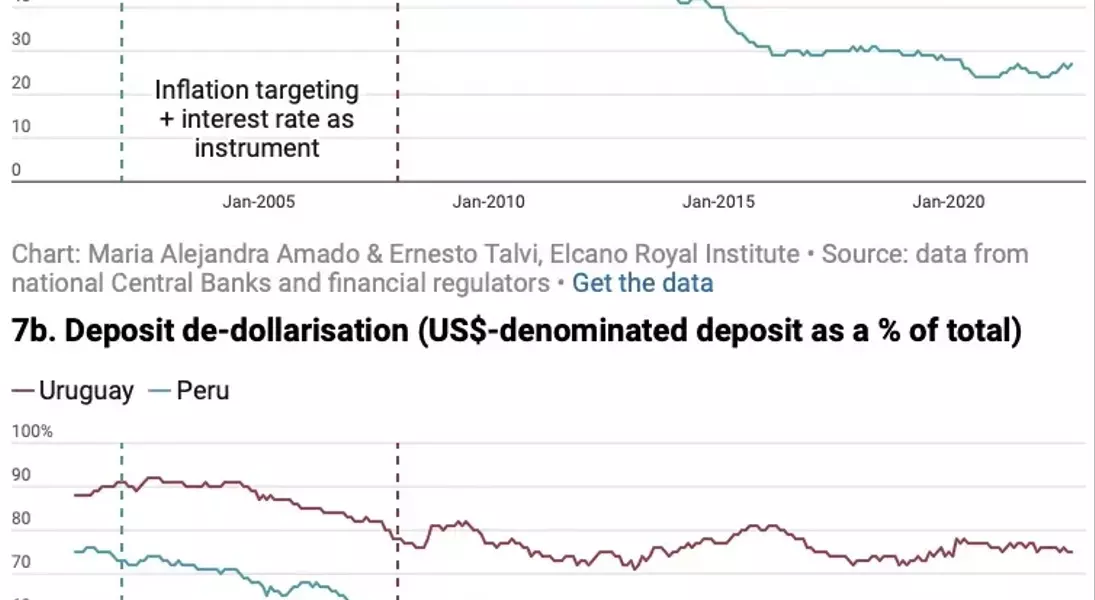
Argentina is embarking on a transformative monetary and exchange rate regime, designed to stabilize its economy while fostering competition between the peso and the dollar. This new framework involves adopting a floating exchange rate within a band system, aiming for inflation targeting similar to Peru and Uruguay. The Central Bank will intervene periodically in the foreign exchange market to moderate fluctuations, crucial in Argentina's highly dollarized economy where exchange rates significantly impact price formation and inflation expectations. While these measures might boost dollar usage initially, historical trends from other countries indicate that sustained economic stability could lead to natural de-dollarization over time, contrasting with President Milei’s vision of complete dollarization.
Reforming Argentina's Monetary Landscape
In the heart of South America, Argentina has unveiled an ambitious monetary reform aimed at reshaping its economic foundation. In the vibrant yet challenging autumn of policy implementation, this reform introduces a dynamic currency competition environment, allowing the peso and dollar to coexist more freely than ever before. The Central Bank of Argentina (BCRA) has established a moving exchange rate band, starting at 1,000 pesos per dollar as the lower limit and 1,400 pesos per dollar as the upper limit, both adjusted monthly by ±1%. Within this range, the peso will float according to market forces. When the exchange rate nears the lower boundary, BCRA will purchase dollars, expanding the peso supply; conversely, it will sell dollars at the upper boundary, contracting the peso supply.
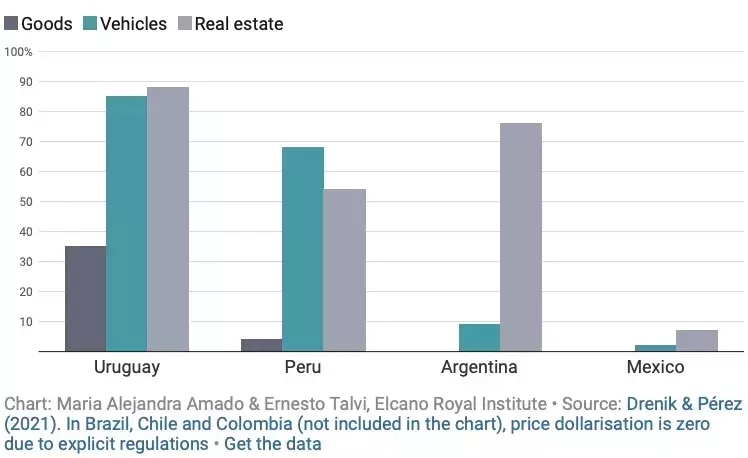
This innovative approach not only abolishes most restrictions on dollar transactions but also encourages their use through various incentives. These include eliminating capital controls, introducing tax amnesties for undeclared funds, and enabling seamless digital payments in dollars via QR codes. Moreover, businesses can invoice and set prices in any currency, promoting flexibility in commercial operations. As the government prepares decrees to facilitate the use of physical dollars stored privately, the regulatory landscape increasingly mirrors the practical realities of Argentina's financial habits.
The advantages of this hybrid exchange rate regime are manifold. It provides predictability by limiting volatility, offers flexibility to absorb external shocks, and allows for intra-band interventions to stabilize expectations. Unlike fixed or purely floating systems, this model balances stability with adaptability, essential for guiding Argentina's complex economic terrain towards sustainable growth.
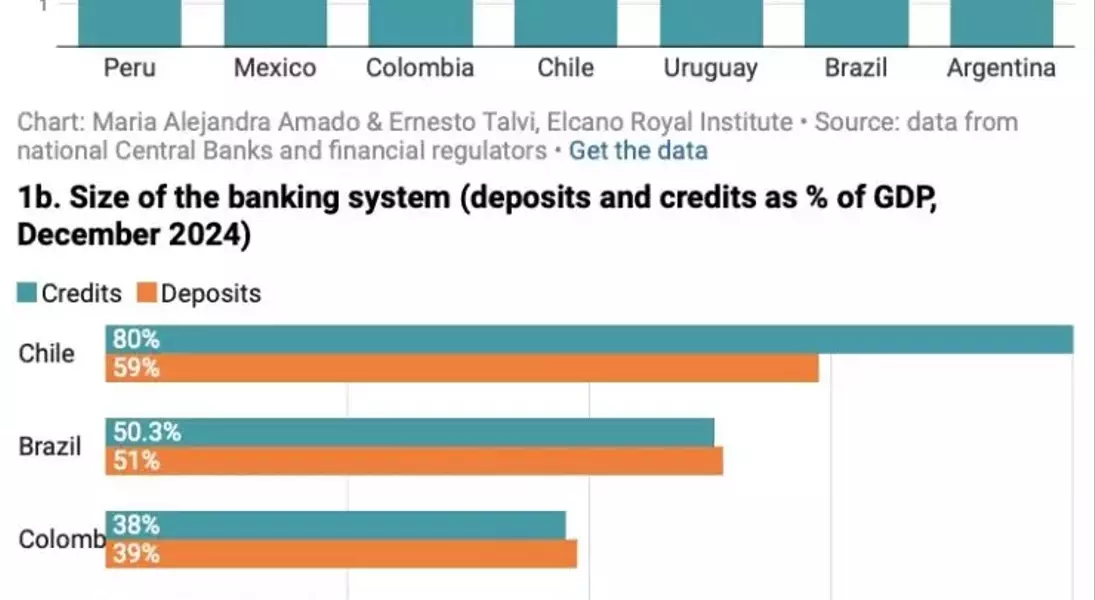
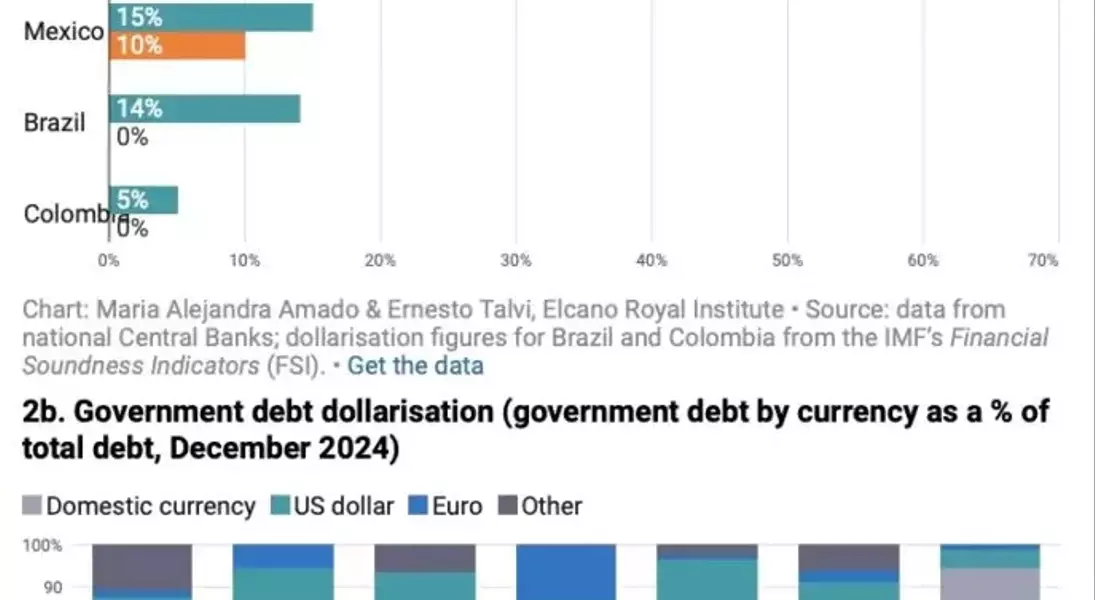
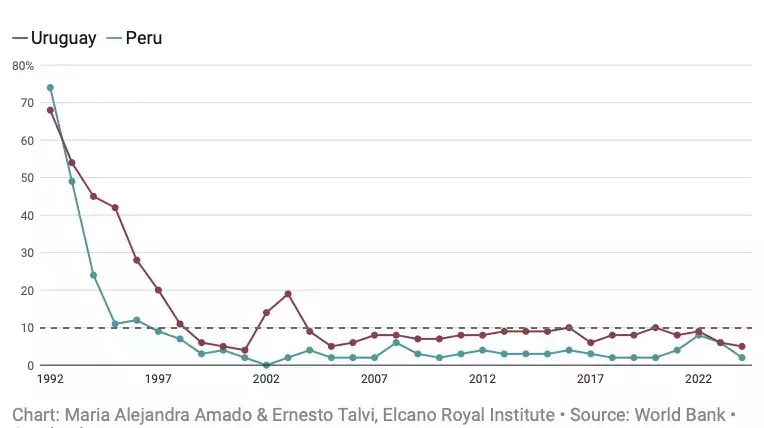
From a broader perspective, comparing Argentina's situation with other Latin American economies reveals unique challenges and opportunities. Countries like Peru and Uruguay have successfully navigated high levels of dollarization, eventually experiencing gradual de-dollarization after achieving price stability. Financial data show that despite initial increases in dollar usage under competitive frameworks, prolonged periods of low inflation naturally restore confidence in local currencies, driving de-dollarization processes.
Thus, while Argentina's reforms may enhance dollar adoption temporarily, they lay the groundwork for potential long-term de-dollarization if the stabilization plan succeeds. This paradoxical outcome underscores the intricate dynamics between monetary policies, public trust, and currency preferences in emerging markets.
Perspective on Argentina's Currency Transition
Viewing Argentina's monetary reform through the lens of a seasoned journalist, one cannot help but marvel at the complexity and ambition of this endeavor. By embracing currency competition, Argentina acknowledges the entrenched role of the dollar in its economy while striving to rebuild faith in the peso. This dual approach reflects a pragmatic understanding of current realities combined with aspirational goals for future prosperity.
However, the road ahead is fraught with uncertainties. Achieving single-digit inflation requires meticulous execution of fiscal and monetary strategies, alongside consistent international support. Furthermore, managing exchange rate fluctuations without disrupting price stability demands delicate balancing acts from policymakers. Yet, history offers hopeful precedents: Peru and Uruguay demonstrate that successful stabilization plans can lead to gradual de-dollarization, reinforcing local currencies' credibility.
In conclusion, Argentina's journey towards redefining its monetary landscape exemplifies the delicate interplay between global influences and domestic aspirations. Whether it ultimately embraces full dollarization or follows a path of natural de-dollarization remains uncertain. What is clear, however, is that restoring economic stability and regaining public trust will be pivotal steps along this transformative route. As observers, we must remain vigilant, appreciating both the progress made and the challenges yet to be overcome in shaping Argentina's economic destiny.