Argentina's Transition to a New Monetary and Exchange Rate Regime: A Path Toward Stability
Argentina is undergoing a significant transformation in its monetary policy framework, transitioning toward a system characterized by currency competition, a floating exchange rate, and inflation targeting. This shift involves adopting a moving band for the peso-dollar exchange rate, ranging from 1,000 to 1,400 pesos per dollar, adjusted monthly. The Central Bank will intervene without sterilization, buying dollars at the lower end and selling them at the upper limit, while also conducting open market operations to adjust monetary aggregates. Additionally, most restrictions on dollar usage have been lifted, promoting currency competition. Despite President Milei's goal of full dollarization, historical precedents suggest that as confidence in the peso recovers, the economy may naturally de-dollarize over time.
A Closer Look at Argentina's Monetary Transformation
In the vibrant yet challenging economic landscape of Argentina, a new chapter has begun with the implementation of a progressive monetary-exchange regime. This initiative was unveiled during Phase 3 of the stabilization plan, marking a pivotal moment in the nation's financial history. In the heart of this transformation lies a dynamic exchange rate band mechanism. Established between 1,000 and 1,400 pesos per dollar, this band will expand incrementally each month, allowing the peso to float freely within these parameters. The Central Bank of Argentina (BCRA) plays a crucial role in this process, purchasing and selling dollars strategically to influence liquidity levels. Such interventions aim to stabilize the economy amidst anticipated growth rates and declining inflation figures.
Beyond mere numerical adjustments, this reform extends into the realms of banking and commerce. Gone are the days of stringent cepo regulations; instead, an era of currency competition dawns upon Argentina. Citizens now enjoy unprecedented freedom in utilizing foreign currencies domestically. From opening accounts denominated in US dollars to executing transactions via QR codes or virtual wallets, every aspect of daily finance has been revolutionized. Furthermore, businesses possess the autonomy to invoice in any chosen currency, reflecting an openness previously unseen. These measures collectively acknowledge the entrenched role of the US dollar within Argentine society, shaping both consumer habits and governmental fiscal strategies alike.
Contrasting traditional fixed or purely floating systems, this hybrid model offers unique advantages tailored specifically for Argentina’s needs. Predictability remains paramount here, anchoring public expectations about future economic conditions effectively. Simultaneously, flexibility ensures resilience against unforeseen external shocks—a critical feature given global uncertainties impacting commodity prices or financial conditions. Importantly, intra-band interventions remain possible whenever deemed necessary, reinforcing efforts to maintain stable inflationary trends across time.
Reflections on Argentina's Economic Journey
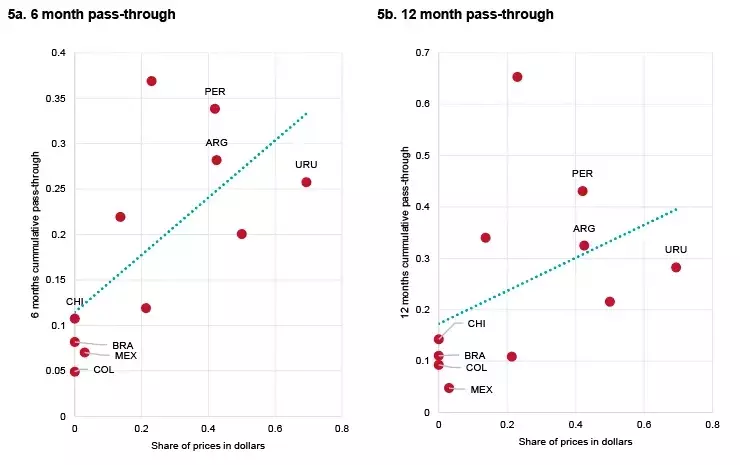
As we observe Argentina's bold strides towards reshaping its monetary landscape, several insights emerge worth contemplating. Firstly, embracing currency competition signifies more than just regulatory change—it embodies trust placed in market forces to determine optimal outcomes naturally. Secondly, although immediate increases in dollar utilization might occur due to existing preferences among Argentines, long-term projections hint at potential reversals if stabilization goals materialize successfully. Drawing lessons from neighboring nations like Peru and Uruguay, whose journeys reveal gradual transitions back toward local currencies following periods of high dollar dependence, one realizes how stability fosters preference shifts subtly yet powerfully.
Ultimately, whether Argentina achieves complete dollarization hinges less on administrative proclamations and more on underlying fundamentals driving sustained confidence restoration. Should policies prove effective in curbing inflation while enhancing credibility around the peso, natural forces may guide the economy away from excessive reliance on foreign denominations. Thus, rather than viewing these developments through rigid ideological lenses, they should be appreciated as adaptive responses designed to navigate complex realities skillfully.