Bank of England Governor Emphasizes Global Cooperation and Cautions on Digital Pound
Bank of England Governor Andrew Bailey recently delivered a significant address, highlighting the critical need for coordinated global action to address escalating financial risks and maintain stability within the international economic system. His remarks stressed the indispensable role of multilateral institutions in fostering a resilient financial landscape. Bailey also articulated a measured stance on digital currency innovation, advocating for a cautious approach while emphasizing the importance of enhancing existing payment infrastructures.
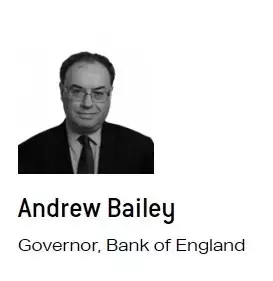
Governor Bailey's Vision for Global Financial Stability and Digital Innovation
On the evening of July 15, 2025, at the esteemed Mansion House, Bank of England Governor Andrew Bailey presented a compelling argument for enhanced international collaboration in navigating the complexities of the global financial arena. In his address, he passionately defended the enduring relevance of institutions such as the International Monetary Fund (IMF), asserting their crucial function in orchestrating solutions to worldwide economic disparities. Bailey specifically pointed to the pronounced trade imbalances, citing substantial deficits in the United States and significant surpluses in China, as pressing issues that demand a concerted, globally coordinated response rather than disjointed national interventions.
Key pillars of his speech included a staunch defense of the IMF against criticisms, particularly from the United States, regarding its scope of influence. He reaffirmed the Fund's vital role in facilitating international dialogue, especially in areas concerning the US economy. Furthermore, the Governor issued a clear warning about the inherent financial market pressures faced by nations with large deficits, reinforcing the Bank of England's vigilance in monitoring and mitigating potential financial stability risks. He also urged China to stimulate its domestic consumption, a strategic move aimed at reducing trade surpluses and preempting future global trade frictions. Bailey envisioned a collaborative effort between the IMF and the World Trade Organization to rigorously assess the current global trading system, with the aim of preventing economic fragmentation that could prove detrimental to worldwide prosperity. Regarding the burgeoning field of digital currencies, while acknowledging the potential benefits of improved digital payment infrastructure, Bailey conveyed a notable skepticism toward the immediate launch of a retail central bank digital currency, insisting that stablecoins are not a viable substitute for traditional banking money. Looking ahead, in his capacity as leader of the Financial Stability Board, Governor Bailey announced plans to implement global resilience tests for a diverse range of financial entities, including commercial banks and hedge funds, reinforcing the global commitment to a more secure and stable financial future.
From a journalist's perspective, Governor Bailey's speech underscores a growing consensus among global financial leaders: isolated national policies are insufficient to address interconnected global economic challenges. His emphasis on multilateral cooperation serves as a powerful reminder that in an increasingly intertwined world, shared prosperity and stability can only be achieved through collective action and mutual understanding. The caution he expressed regarding central bank digital currencies highlights the delicate balance between fostering innovation and safeguarding financial integrity, a crucial consideration as economies worldwide explore new digital frontiers.