Bulgarian Protests Erupt Over Euro Adoption Plans
In a significant show of dissent, thousands of Bulgarians took to the streets in Sofia and other major cities to oppose their government's plans to adopt the euro. The demonstrations highlight public concerns about economic stability and sovereignty as the nation considers abandoning its national currency, the lev. Critics argue that adopting the euro may harm Bulgaria’s already fragile economy and demand a referendum on the issue. This movement comes amid broader geopolitical shifts, including Bulgaria’s recent inclusion in the Schengen area alongside Romania.
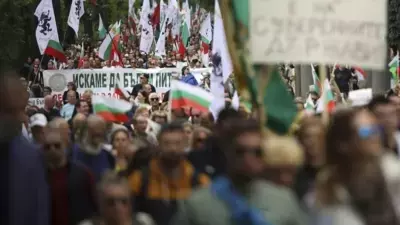
Mass Demonstrations Spark Debate Over Currency Change
On a crisp autumn day, demonstrators filled the bustling streets of Sofia, raising flags and banners emblazoned with messages supporting the Bulgarian lev. Organized by civic groups and nationalist parties, the protest drew participants from across the country who marched while singing patriotic songs and chanting slogans advocating for national sovereignty. Among the most striking visuals was a massive banner declaring, “The battle for the Bulgarian lev is the last battle for Bulgaria.”
This demonstration unfolded against the backdrop of Bulgaria’s ongoing efforts to deepen ties with the European Union (EU). Since joining the EU in 2007, Bulgaria has remained one of its poorest members. Despite this, Brussels is expected to grant approval in June for the nation to transition to the euro. However, many citizens remain skeptical, fearing potential negative impacts on their livelihoods due to inflation and reduced purchasing power.
In rural areas and smaller towns, resistance to the single currency is particularly strong. Some individuals have never traveled abroad and are unfamiliar with international transactions, making them uneasy about embracing such a change. Compounding these fears are misinformation campaigns both domestically and internationally, which fuel anxieties that adopting the euro could exacerbate poverty levels within the country.
Bulgarian President Rumen Radev has emerged as a vocal opponent of the euro adoption plan. Earlier this month, he proposed holding a referendum on the matter, emphasizing the need to address public apprehensions regarding inflation and economic security. Radev further criticized the government for failing to implement safeguards to protect vulnerable populations during the transition period. His stance, however, faced opposition from pro-European factions in parliament, who accused him of aligning himself with Russian interests.
As tensions rise, the debate over Bulgaria’s monetary future reflects deeper divisions within society concerning identity, governance, and global integration.
A Reflection on National Sovereignty and Economic Stability
From a journalistic perspective, the protests in Bulgaria serve as a poignant reminder of the delicate balance between national sovereignty and international cooperation. While adopting the euro symbolizes closer alignment with the EU, it also stirs deep-seated fears among citizens about losing control over their economic destiny. For readers, this story underscores the importance of informed decision-making processes, especially when significant changes affect everyday lives. It also highlights the critical role of transparent communication in dispelling misconceptions and fostering trust in institutional reforms.