Canada's Producer Prices Surge in June, Exceeding Expectations
Canada's industrial sector displayed unexpected strength in June, as producer prices defied forecasts to register a solid increase. This surge, detailed in the latest reports, reflects a dynamic interplay of various commodity markets, from precious metals to agricultural products and energy. While some sectors experienced price moderation or even declines, the overall trend points to rising input costs for Canadian manufacturers. This comprehensive overview delves into the primary factors driving this price ascent and examines the broader implications for the Canadian economy.
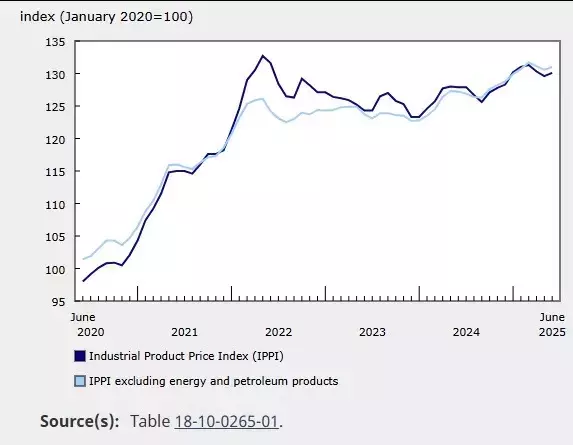
The notable uplift in producer prices signals a complex economic landscape influenced by both supply-side constraints and demand fluctuations. Key contributors to this upward movement include significant increases in the prices of primary non-ferrous metals, various meat and dairy products, and certain energy commodities. These sectoral shifts highlight the intricate dependencies within the industrial supply chain and underscore the impact of global and domestic market dynamics on Canadian production costs. Understanding these movements is crucial for stakeholders assessing inflationary pressures and formulating economic strategies.
Key Drivers of Industrial Price Growth
The latest data on Canada's Industrial Product Price Index (IPPI) for June revealed a 0.4% increase month-over-month, exceeding the projected 0.1% decline and reversing the previous month's 0.5% contraction. This upward movement was largely fueled by significant price hikes in several key industrial sectors. Notable gains were observed in primary non-ferrous metal products, which rose by 2.8%, with unwrought gold, silver, and platinum group metals contributing significantly, particularly unwrought platinum group metals soaring by 15.6%. The meat, fish, and dairy products segment also saw a 2.2% increase, driven by strong demand for chicken and beef, reflecting seasonal consumption patterns. Furthermore, energy and petroleum products rebounded with a 1.1% rise, ending a three-month streak of declines, primarily due to increased crude oil prices. This broad-based price escalation underscores the complex inflationary pressures within Canada's industrial landscape, influenced by both global commodity markets and domestic supply-demand dynamics.
Digging deeper into the specifics, the substantial increase in primary non-ferrous metals, particularly platinum group metals, can be attributed to tightening global supplies and a surge in demand, especially from the jewelry sector. The agricultural sector experienced robust growth in meat and dairy prices, notably fresh/frozen chicken and beef, due to heightened seasonal demand during summer and persistent supply constraints. In the energy sector, the 1.1% rise marked a pivotal turnaround, with diesel fuel prices climbing 3.6% alongside an 8.2% jump in crude oil prices, largely influenced by geopolitical tensions in the Middle East. Conversely, gasoline prices saw a slight decline of 2.0% as U.S. refinery operations resumed, easing some pressure. Additionally, fruit, vegetable, feed, and other food products posted a 1.2% increase, led by significant jumps in canola/rapeseed oil and soybean oil, driven by limited domestic supply and shifts in crop cultivation. Despite these widespread increases, some sectors, such as primary ferrous metal products and motorized vehicles, experienced offsetting declines, preventing an even steeper overall rise in the IPPI.
Raw Material Price Rebound and Market Factors
Parallel to the Industrial Product Price Index, Canada's Raw Material Price Index (RMPI) demonstrated a robust recovery in June, advancing by 2.7% month-over-month. This significant rebound contrasts sharply with the prior month's decline and was predominantly driven by a substantial 6.8% surge in crude energy products. Even when excluding crude energy, the RMPI still showed a notable increase of 0.8%, indicating a broader inflationary trend across various raw materials. The year-over-year change in raw material prices also turned positive, registering a 0.1% increase after previous months of contraction. This upward trend in input costs suggests growing pressures on manufacturers, who will likely face higher expenses in their production processes. The resurgence in raw material prices reflects a complex interplay of global supply chain issues, evolving demand patterns, and geopolitical influences that continue to shape commodity markets.
A more detailed examination of the RMPI reveals several critical factors contributing to its upward trajectory. The surge in crude energy prices was a direct consequence of geopolitical instability in the Middle East, leading to an 8.2% increase in conventional crude oil and a 6.4% rise in synthetic crude oil. Despite expectations of increased production from OPEC+, these tensions kept prices elevated. Beyond energy, the metals and scrap category saw a 1.4% increase, largely propelled by a 10.3% jump in silver ores and concentrates. This was driven by a combination of strong industrial demand, ongoing supply deficits, and heightened investor interest in safe-haven assets amidst concerns over U.S. tariffs. Furthermore, animals and animal products experienced a 2.0% increase, representing the largest monthly rise since April 2024. This growth was attributed to a 7.9% increase in hog prices, fueled by robust domestic demand and a significant year-over-year rise in pork exports, alongside a 1.8% increase in cattle and calves. These factors collectively highlight the diverse yet interconnected influences driving raw material costs in the Canadian economy.