China Liberalizes Capital Markets: PBoC Expands Offshore Bond Access
China is actively pursuing greater openness within its financial sector, a strategic move underscored by recent announcements from its primary banking authority. This ongoing liberalization seeks to facilitate increased participation by local investors in overseas bond markets, thereby fostering a more integrated and flexible global financial environment.
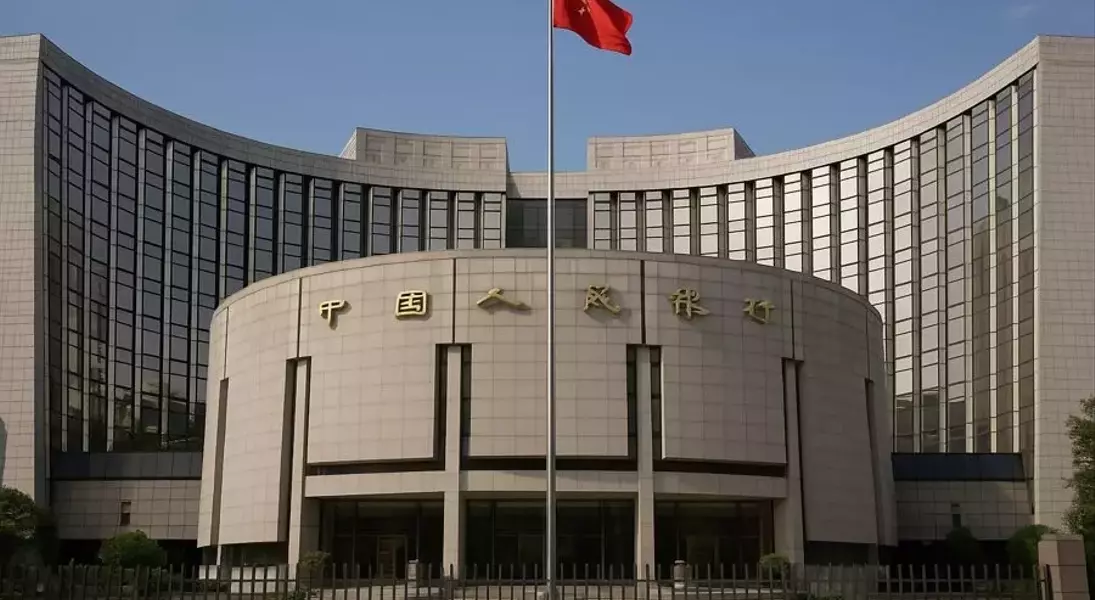
The People's Bank of China (PBoC) has outlined comprehensive plans to enhance market accessibility. A key component of this strategy involves widening the scope of the existing Bond Connect framework, allowing a broader spectrum of domestic entities, including brokerage firms, mutual funds, wealth management companies, and insurance providers, to engage with international debt instruments. Furthermore, the central bank intends to augment the quota available under the Swap Connect mechanism, providing greater flexibility for hedging activities and access to interest rate swaps. These developments align with previous indications that regulatory bodies were contemplating a substantial increase in the Southbound Bond Connect quota, potentially reaching an equivalent of 139 billion US dollars, signifying a significant shift towards loosening capital controls and promoting two-way market engagement.
These proactive measures are integral to Beijing's overarching economic objectives, which include bolstering the international prominence of the Chinese yuan and diversifying avenues for domestic institutional investments. By progressively easing restrictions and fostering cross-border financial activity, China is paving the way for a more dynamic and interconnected capital market, benefiting both its economy and global financial stability. Such advancements demonstrate a clear commitment to fostering a robust and internationally competitive financial landscape, which ultimately contributes to global economic growth and prosperity.