China's Central Bank Maintains Key Loan Rates Amid Policy Reforms
China's central bank has once again confirmed its commitment to a steady monetary policy, maintaining its key lending rates at their current levels. This decision follows a period of adjustment earlier in the year and underscores the People's Bank of China's (PBoC) careful balancing act in managing the nation's economic landscape. The stability of the Loan Prime Rates (LPRs) for both short and long-term borrowing indicates a deliberate approach to providing a consistent financial environment, particularly after the PBoC's strategic reforms implemented throughout 2024 aimed at optimizing its policy framework.
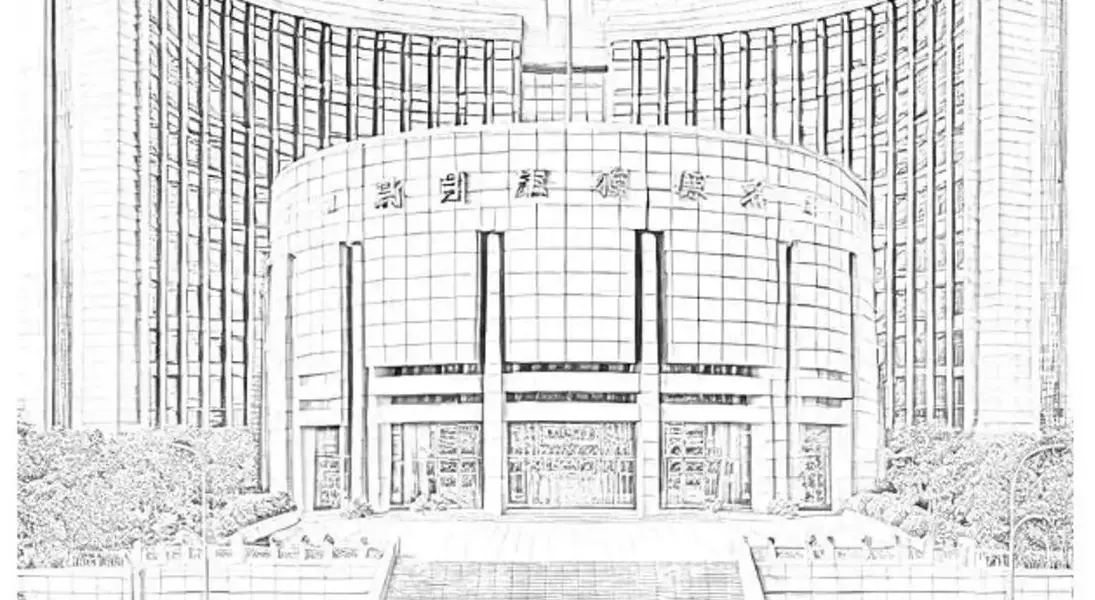
These recent developments are set against the backdrop of significant shifts within China's monetary policy architecture. In 2024, the PBoC embarked on a series of reforms designed to enhance the transmission of its policy signals and more effectively support economic expansion. A pivotal change, announced by Governor Pan Gongsheng in June, involved designating the 7-day reverse repurchase (repo) rate as the primary instrument for short-term policy intervention. This strategic move streamlines the central bank's toolkit, allowing for more direct influence over interbank liquidity and interest rates, thereby improving the responsiveness of financial institutions to policy adjustments. The current 7-day reverse repo rate stands at 1.4%, reflecting the PBoC's active engagement in guiding market conditions.
By upholding the LPRs and refining its policy instruments, the PBoC demonstrates a proactive stance in navigating economic complexities and fostering sustainable growth. This strategic clarity and adaptability in monetary policy are crucial for building a resilient financial system and ensuring a stable and prosperous future for the nation. Such measures ultimately contribute to a more just and equitable economic environment, where growth is not only robust but also inclusive, benefiting all segments of society.