UK Housing Market Experiences Significant July Downturn, Prices Plummet as Sellers Vie for Buyers
The British property market is currently navigating a substantial downturn, marked by the sharpest drop in asking prices for new listings witnessed in over two decades this July. This significant adjustment reflects a strategic move by sellers to attract hesitant buyers in a market saturated with available properties and characterized by a growing consumer reluctance to pay premium prices. While sales activity has shown resilience compared to last year, the broader outlook for price appreciation has been tempered. Nevertheless, a silver lining emerges with declining mortgage costs and a robust increase in wages, which together are enhancing the affordability of homes, offering a glimmer of hope for a future market recovery.
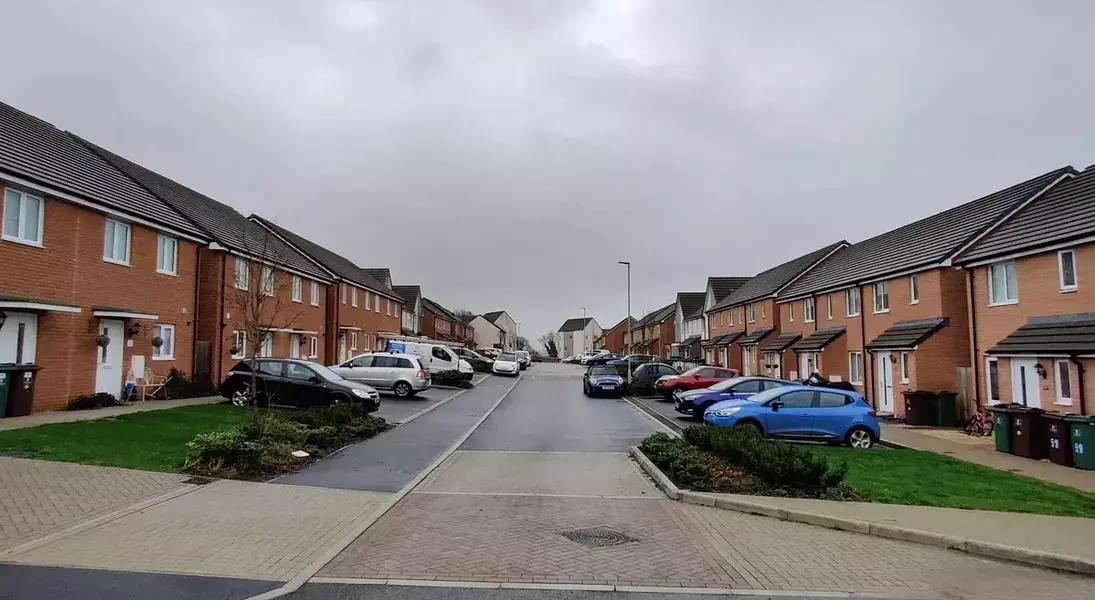
UK Property Market Sees Steepest July Decline in Over Two Decades
In a significant development for the United Kingdom's property sector, the asking prices for homes newly introduced to the market experienced their most pronounced decline in July in more than 20 years. This substantial 1.2% reduction underscores a critical shift, as property owners are compelled to adopt more aggressive pricing strategies. This move is primarily in response to an abundant supply of properties and an increasingly discerning pool of potential buyers who are highly sensitive to what they perceive as inflated valuations.
Amidst this challenging environment, Rightmove, a prominent online property portal, has adjusted its projections for property value growth in the coming year. Their forecast for 2025 has been revised downwards from an optimistic 4% to a more conservative 2%, signaling a cautious outlook for the market's immediate future. This revision comes despite a surprisingly robust level of sales activity, which currently stands at 5% above figures recorded for the previous year, indicating a persistent demand even in a cooling market.
However, not all news from the housing front is bleak. Positive indicators are emerging that could foster a rebound in housing affordability. Specifically, a welcome decrease in mortgage interest rates, coupled with a healthy rate of wage growth across the nation, is collectively working to alleviate the financial burden on prospective homeowners. These factors are crucial in making homeownership more attainable for a wider segment of the population, potentially underpinning a stabilization, if not a modest recovery, in the market in the longer term.
From a journalist's perspective, this situation highlights the intricate dance between supply, demand, and external economic factors like interest rates and income growth. The aggressive price adjustments by sellers reflect a necessary market correction, adapting to the current economic realities and buyer sentiment. While the immediate figures paint a picture of decline, the underlying improvements in affordability, driven by lower mortgage rates and stronger wages, could lay the groundwork for a healthier, more accessible housing market in the future. This period of recalibration, though challenging for sellers, could ultimately benefit buyers and foster a more sustainable market equilibrium.