China's Smartphone Market Sees Q2 Dip Amidst Shifting Vendor Fortunes
China's smartphone market witnessed a notable downturn in the second quarter, with overall shipments decreasing by 2.4%. This contraction reflects a challenging period for manufacturers, characterized by evolving consumer demands and a highly competitive environment. Within this landscape, two major players, Apple and Huawei, exhibited contrasting performance trajectories, underscoring the dynamic shifts occurring in one of the world's most significant mobile phone markets. Apple experienced a modest decline in its year-over-year sales, while Huawei demonstrated remarkable growth, signaling a resurgence in its domestic market presence.
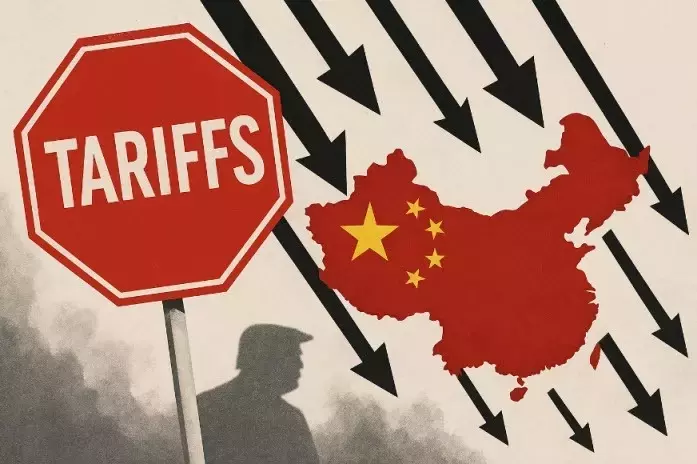

This period of market adjustment brings into sharp focus the impact of various economic and geopolitical factors, particularly trade relations, on the technology sector. The performance disparities between international and local brands highlight how consumer preferences and nationalistic sentiments, alongside product innovation and supply chain resilience, are shaping the competitive arena. The figures suggest that while the overall market faces headwinds, certain brands are strategically navigating these challenges to secure or even expand their market share.
Market Contraction and Brand Dynamics
In the second quarter, the Chinese smartphone sector faced a considerable challenge, as total shipments receded by 2.4%. This overall decline suggests a period of consolidation or perhaps reduced consumer spending in the mobile phone category. Such market fluctuations are often influenced by a confluence of factors, including economic conditions, product refresh cycles, and the intensity of competition among manufacturers. The modest drop in overall shipments, while not a severe downturn, indicates a maturity in the market where growth opportunities might be more selective.
Amidst this contracting market, the individual performance of leading brands presented a compelling narrative of diverging fortunes. Apple, a dominant international player, observed a year-over-year sales reduction of 1.6%. This slight dip could be attributed to a variety of factors, including intense local competition, pricing strategies, or the timing of new product releases relative to the reporting period. Conversely, Chinese telecommunications giant Huawei defied the market trend, recording a substantial 17.6% increase in its shipments over the same timeframe. This impressive growth underscores Huawei's ability to rebound and strengthen its position within its home market, potentially leveraging brand loyalty, aggressive marketing, and innovative product offerings.
Implications for Global Tech and Trade
The disparate performances of Apple and Huawei in China's smartphone market are more than mere statistics; they offer insights into broader geopolitical and economic currents affecting the global technology industry. Apple's slight dip in sales, while minor, could be seen in the context of ongoing trade discussions and nationalist consumer sentiments within China. The company's reliance on the Chinese market for both sales and manufacturing capacity places it in a sensitive position, where external pressures and domestic brand resurgence can significantly impact its operational and financial outcomes.
Huawei's robust growth, on the other hand, is a testament to its resilience and strategic adaptation in the face of international restrictions and challenges. Its strong performance domestically suggests that Chinese consumers are increasingly favoring local brands, partly due to a heightened sense of national pride and possibly in response to perceived external pressures on Chinese enterprises. This trend highlights the intensifying competition between global and local technology firms, particularly in critical markets like China. Furthermore, it indicates that companies like Huawei are successfully leveraging innovation and a deep understanding of local consumer needs to consolidate their market presence, effectively navigating the complexities of the current global trade environment and potentially redefining market leadership in the long term.