Europe's Aspirations for the Euro Amid Dollar Uncertainty
Amidst global geopolitical shifts and fluctuations in the U.S. dollar, European leaders are exploring opportunities to elevate the euro's international role. With the dollar experiencing a decline in its index since the start of the year, discussions have emerged about the potential for the euro to gain ground as a reserve currency. While some market experts see promise, others highlight challenges that could hinder the euro's rise.
Potential Growth of the Euro's Global Influence
The euro has been gaining momentum against the dollar due to uncertainties surrounding American trade policies. European Central Bank President Christine Lagarde emphasized that changing global dynamics present an opportunity for the euro to expand its influence. She outlined necessary steps involving geopolitical stability, economic strength, and adherence to legal frameworks to enhance the euro’s status.
Lagarde pointed out that elevating the euro's reserve currency status could provide numerous benefits to Europe, including reduced borrowing costs and protection from exchange rate volatility. By fostering deeper capital markets and ensuring political unity, Europe aims to make itself a more attractive destination for global investment. This strategic approach seeks to empower Europe to exert greater control over its financial destiny while addressing concerns regarding sanctions or coercive measures. Additionally, ECB Executive Board member Isabel Schnabel noted the region’s capacity to become a safe haven amidst shifting U.S. policies, further underscoring the euro's rising prominence.
Diverse Perspectives on the Euro's Future Role
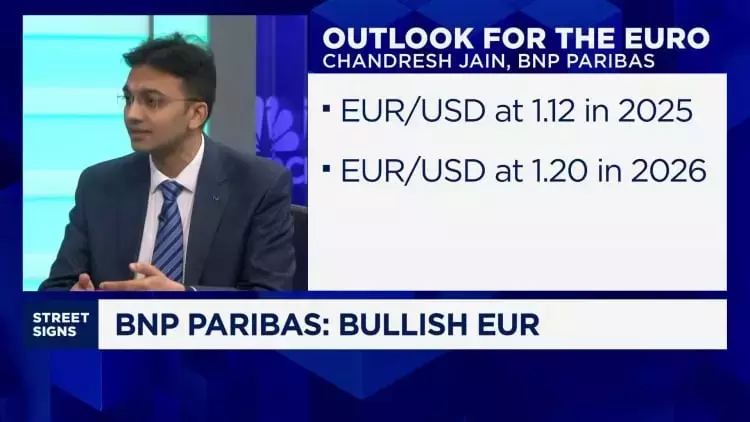
Market analysts hold differing views on whether the euro can capitalize on the dollar's wavering confidence. Some experts believe that the euro's growing momentum positions it favorably to attract diversified investments away from the dollar. Chief European economist at Nomura, George Buckley, suggested that the euro could rise significantly by year-end, attributing this forecast to its robust trading bloc and investor interest in alternative assets.
Conversely, skepticism persists regarding the euro's ability to challenge the dollar's dominance. Analyst Aaron Hill from FP Markets argued that despite the EU's substantial economic weight, internal political divisions and reliance on U.S. security frameworks impede the euro's global reach. He maintained that while factors like rising U.S. debt warrant attention, the euro lacks the cohesion needed to supplant the dollar in the foreseeable future. Senior investment specialist John Plassard at Mirabaud Group echoed similar sentiments, asserting that no immediate contender exists for the dollar's dominant position within global foreign exchange reserves.