Taiwan's Currency Fluctuations and Global Economic Implications
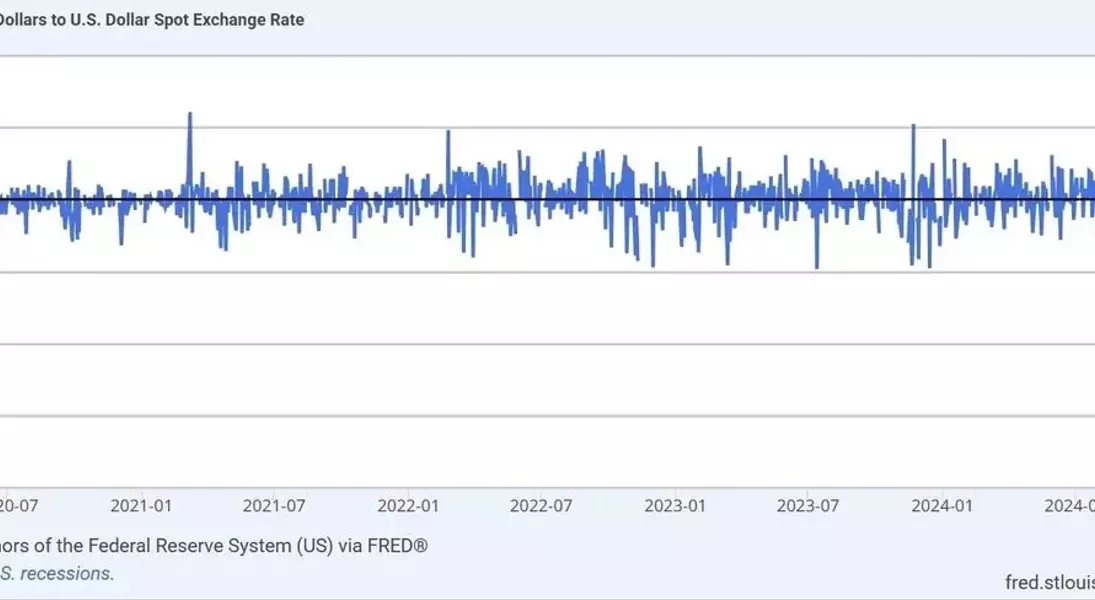
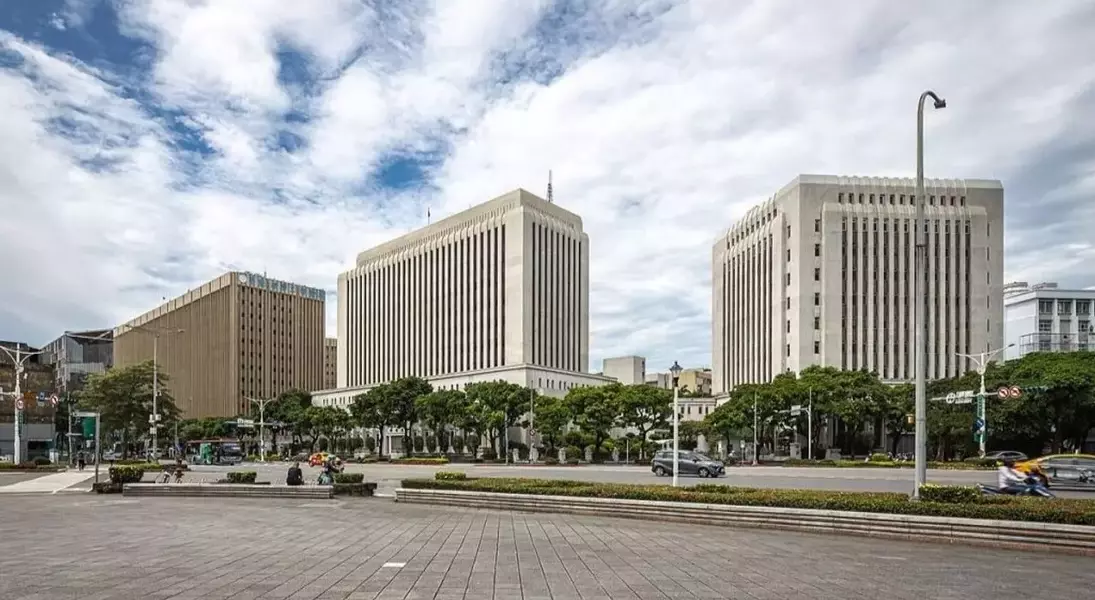
In recent developments, the Taiwanese dollar experienced a significant surge against the US dollar, raising questions about underlying economic strategies. The Central Bank of Taiwan intervened to stabilize this unexpected rise, drawing attention to the complexities surrounding Taiwan’s financial policies. Analysts noted that such volatility in the currency is uncommon due to its highly managed nature.

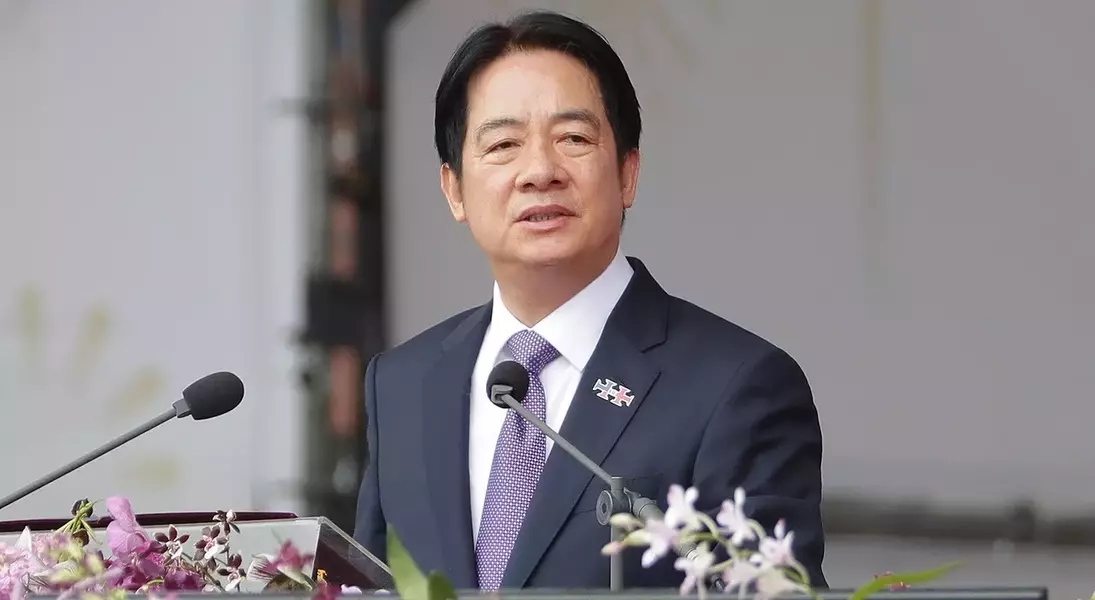




Amidst these fluctuations, global trade dynamics have been reshaped by escalating tensions between major economies. President Lai Ching-te emphasized collaboration with the United States as a means to enhance fiscal stability and promote international peace. This cooperation includes negotiations aimed at reducing tariff barriers and increasing mutual investments. However, some political figures view these actions through a different lens, suggesting they represent broader geopolitical ambitions targeting specific nations.
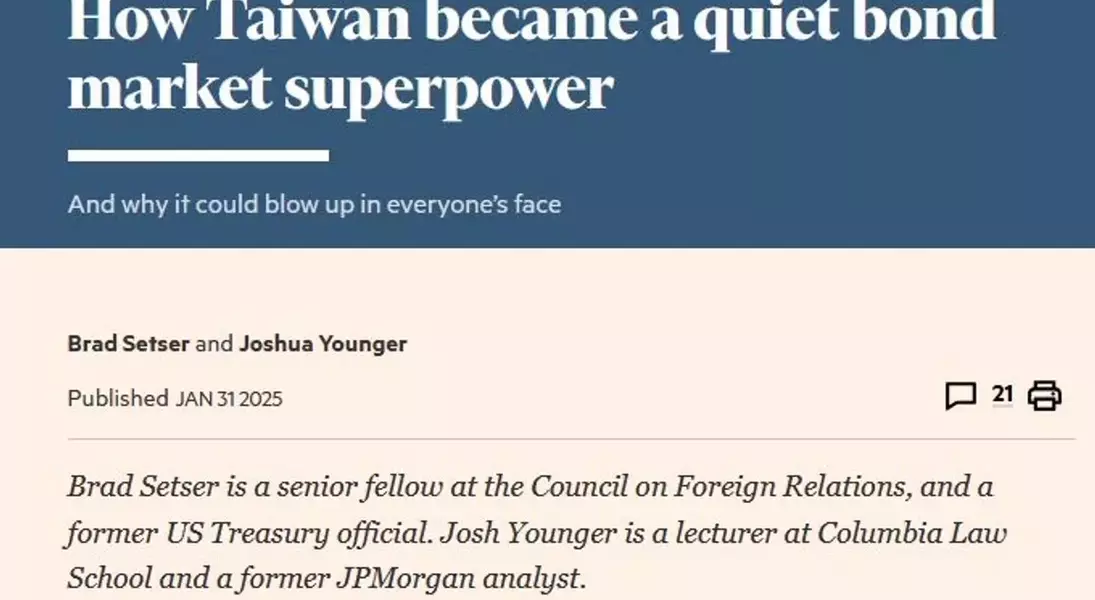
The financial landscape further complicates matters as Taiwan holds substantial reserves in US treasuries and bonds. Life insurance companies play a crucial role here, managing vast amounts of foreign assets while facing potential risks from currency mismatches. Economists warn that any significant appreciation of the Taiwanese dollar could severely impact these institutions' solvency, highlighting vulnerabilities within the system. Such concerns underscore the delicate balance required in maintaining both domestic and international financial health amidst shifting global priorities.
As countries reassess their reliance on traditional safe-haven assets like US treasuries, there emerges an opportunity for rethinking global finance structures. The interplay between national interests and international cooperation becomes increasingly vital in navigating economic challenges. By fostering transparent dialogue and innovative solutions, stakeholders can work towards creating more resilient systems capable of sustaining prosperity across borders. This perspective encourages embracing change constructively rather than succumbing to fear or uncertainty during turbulent times.