Geopolitical Shifts Dampen Prospects for New US Sanctions on Russia
The global oil market is currently experiencing a downturn, with prices having dropped significantly from their weekly highs. This shift is largely attributed to a perceived reduction in geopolitical tensions, particularly in the Middle East. Concurrently, the prospect of the United States imposing new sanctions on Russia appears to be waning, influenced by ongoing discussions within NATO and a broader reassessment of international priorities. These developments collectively point towards a period of recalibrated global energy and political strategies.
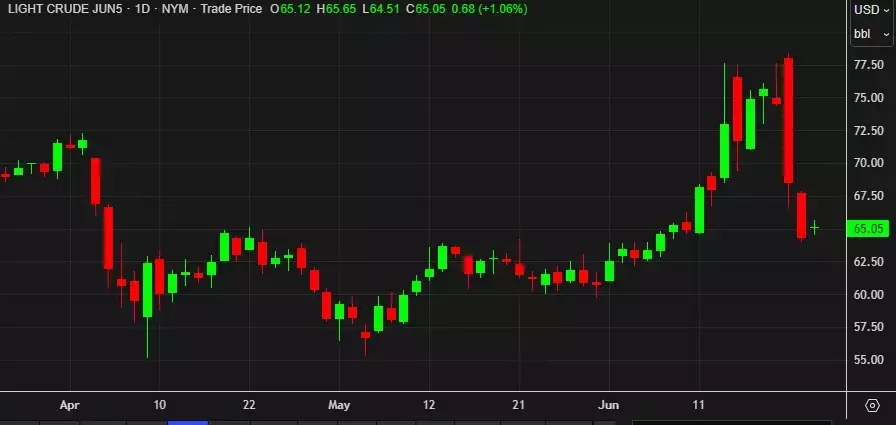
The price of West Texas Intermediate (WTI) crude oil has seen a considerable decline, shedding twelve dollars from its peak earlier in the week. While a minor recovery of sixty cents was observed recently, the overall trend reflects diminishing risk premiums. This reduction in perceived risk is primarily linked to the apparent conclusion of the conflict between Iran and Israel. Further contributing to this outlook is the endorsement by former President Trump of Iran's oil exports to China, which implies a more accommodating stance towards certain energy flows that could otherwise be subject to restrictions.
Regarding the potential for further American economic measures against Russia, a notable shift in sentiment has emerged. A group of US Senators, led by Lindsay Graham, had been actively advocating for additional punitive actions. However, these efforts have been undercut by recent statements from US Secretary of State Marco Rubio during discussions with NATO officials. Rubio's comments indicated a reduced urgency concerning new sanctions, suggesting a less aggressive approach from the current administration.
Adding to this evolving scenario, there are indications from within the US Senate leadership that there is no immediate push to advance legislation for new sanctions. This suggests a potential desire to maintain a degree of 'flexibility' for future executive decisions, particularly given the political landscape. The lack of enthusiasm for immediate action on sanctions, coupled with a more stable geopolitical environment in key oil-producing regions, is contributing to the current downward pressure on crude prices.
As of recent trading, WTI crude oil was last quoted at $65.09, reflecting the market's response to these combined factors. The confluence of a seemingly resolved regional conflict, a more permissive approach to certain oil exports, and a hesitance within US political circles to pursue additional sanctions against Russia has led to a significant unwinding of risk premiums previously priced into the commodity.
The current global economic and political climate suggests a reduced likelihood of immediate, stringent US sanctions impacting the Russian energy sector. This cautious approach from the United States, alongside the de-escalation of tensions in the Middle East, is a primary driver behind the recent movements in the international oil market.