German Chancellor Pledges Collaborative Effort with EU Leaders to Address Imminent US Tariffs
German Chancellor Friedrich Merz is actively engaging with key European leaders to navigate the challenging waters of a looming trade conflict with the United States. His immediate focus is on fostering a united European front and pursuing diplomatic avenues to avert the imposition of significant tariffs by the U.S. government, which could severely impact Germany's economic stability. The Chancellor's strategy highlights a preference for negotiation and consensus over immediate retaliatory actions, emphasizing the long-term economic well-being of the region.
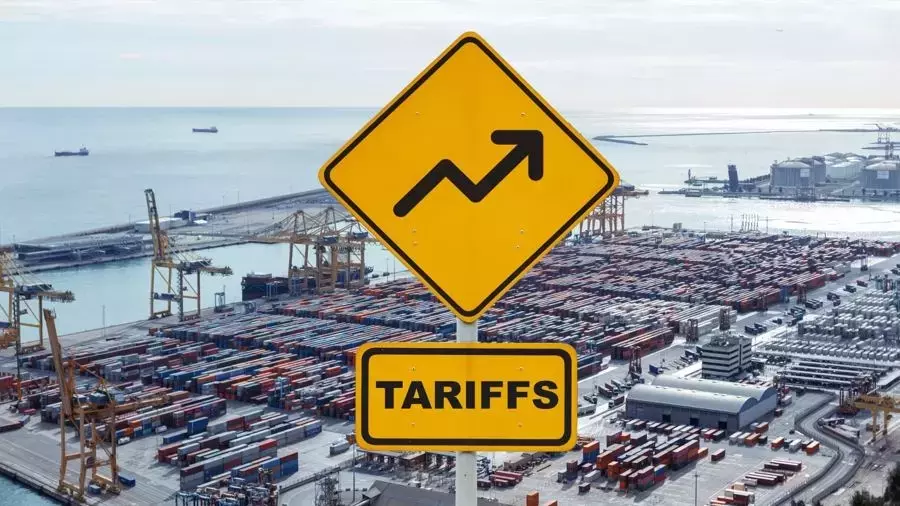
European Leaders Unite to Counter Impending US Tariffs
In a pressing effort to mitigate an escalating trade dispute, German Chancellor Friedrich Merz announced on Sunday, July 13, 2025, his intention to work in concert with French President Emmanuel Macron and European Commission President Ursula von der Leyen. The primary objective of these high-level discussions is to forge a unified European response to the proposed 30% tariffs on European Union and Mexican imports, set to be enacted by the United States on August 1, 2025.
During an interview with ARD, a prominent German public broadcaster, Chancellor Merz confirmed that productive conversations have already taken place among the European leaders, including direct engagement with the U.S. administration. The German leader articulated a clear concern regarding the potential severe repercussions these tariffs would have on Germany's robust economy. He underscored the vital importance of European solidarity and maintaining an open, constructive dialogue with Washington in these critical weeks leading up to the deadline.
While acknowledging the possibility of retaliatory measures, such as those advocated by France, Chancellor Merz advised against precipitate action. He stressed that any European countermeasures should be carefully considered and, if necessary, implemented only after the August 1 deadline has passed, allowing maximum opportunity for a diplomatic resolution.
This developing situation underscores the intricate dance of international trade and diplomacy. The collective European strategy, spearheaded by Germany, France, and the EU Commission, reflects a commitment to protecting economic interests through negotiation and strategic patience. From a broader perspective, this event highlights the continuous geopolitical and economic shifts that necessitate adaptable and unified international responses. The outcome of these high-stakes negotiations will not only define future transatlantic trade relations but also serve as a precedent for how global powers address protectionist policies. It's a reminder that in an interconnected world, collaborative problem-solving remains paramount in safeguarding economic stability and fostering global cooperation.