Japanese Prime Minister Dispels Resignation Rumors Amidst Economic Policy Debates
Japanese Prime Minister Ishiba has categorically denied widespread rumors of his impending resignation, asserting that such discussions have no basis in reality. He emphasized that while he has engaged in crucial conversations with predecessors about the economic challenges facing Japan, his own position was never on the table. This firm rebuttal comes after media reports suggested a potential change in leadership, momentarily influencing currency markets and prompting a slight appreciation of the Yen. The current political discourse now pivots towards the administration's strategic approach to securing legislative approval for its economic agenda, particularly concerning fiscal measures. There is an expectation that opposition parties will demand increased support for economic stimulus, which could ultimately boost growth and compel the Bank of Japan to consider rate adjustments, especially as clarity emerges regarding international trade tariffs.
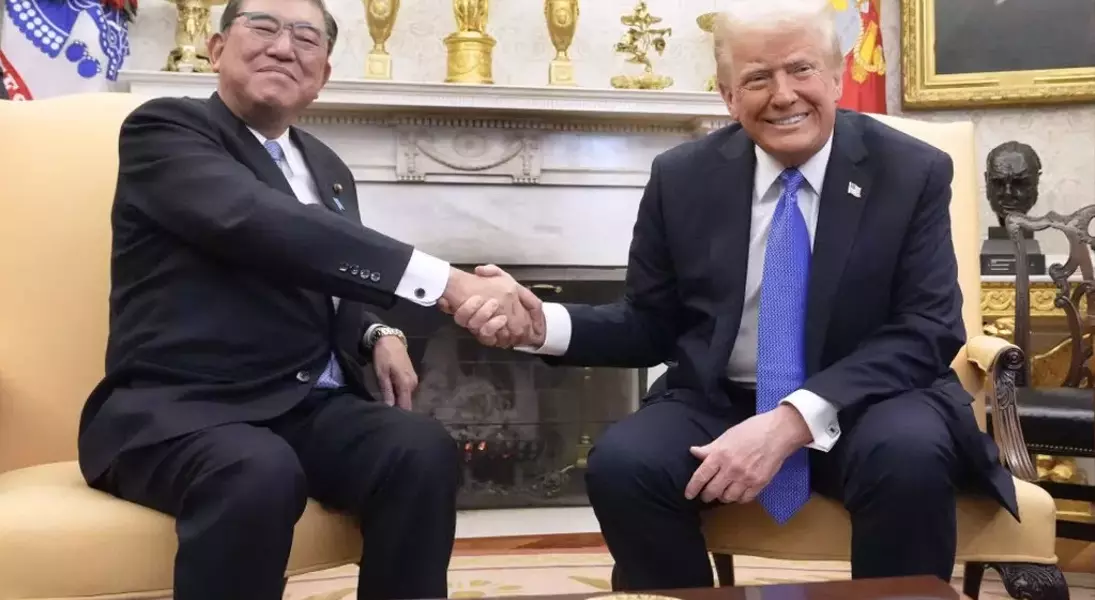
The unfolding scenario highlights a critical juncture for Japan's economic direction. The Prime Minister's unequivocal denial aims to stabilize political perceptions and underscore his commitment to steering the nation through its present difficulties. However, the underlying pressure from opposition factions for greater fiscal intervention remains a significant factor. Should the government accede to these demands, a more expansive fiscal policy is likely to be adopted, fostering an environment conducive to economic expansion. This shift in economic trajectory could subsequently influence the Bank of Japan's monetary policy, potentially leading to an upward revision of interest rates. Furthermore, the global trade landscape, particularly with developments in tariff discussions, will undoubtedly play a pivotal role in shaping both domestic policy decisions and market reactions, adding another layer of complexity to Japan's economic outlook.
Setting the Record Straight: No Resignation in Sight
Japan's Prime Minister has definitively dismissed recent media reports suggesting his immediate departure from office. He clarified that while he has engaged in significant discussions with previous leaders regarding the pressing economic challenges confronting the nation, his resignation was never a topic of conversation. This assertion directly counters earlier speculative reports that had briefly impacted currency markets, leading to a minor rally for the Japanese Yen. The political narrative now shifts from leadership changes to the arduous task of gaining parliamentary consent for critical economic reforms, particularly those pertaining to fiscal policy. The path forward is expected to involve considerable negotiation and compromise.
The Prime Minister's public statement serves to quash any uncertainty surrounding his leadership, aiming to restore confidence and stability. His discussions with former prime ministers underscore a shared concern for Japan's economic future, yet he maintains that these dialogues were focused on strategic responses to challenges, not on a change in leadership. The immediate market response, a slight boost to the Yen, indicates the sensitivity of financial markets to political stability and leadership continuity. Looking ahead, the imperative for his administration is to garner support for its legislative initiatives, especially those related to public spending and revenue. This process is anticipated to be complex, requiring deft political maneuvering to appease opposition calls for more robust economic support measures. The outcome of these negotiations will not only define the scope of Japan's fiscal policy but also set the stage for potential shifts in the Bank of Japan's approach to monetary policy, particularly as global trade dynamics, including tariff adjustments, continue to evolve.
Navigating Economic Headwinds: Fiscal Policy and Monetary Implications
The focus has swiftly moved to how the Japanese government intends to secure approval for its economic package, especially considering the opposition's demands for increased fiscal support. Such concessions could significantly bolster economic growth, potentially prompting the Bank of Japan to consider raising interest rates. The emerging clarity surrounding international tariffs adds another layer of complexity and influence to these economic considerations, making the negotiation of domestic policy even more crucial for Japan's financial future.
The current economic climate necessitates a delicate balance between political feasibility and economic imperatives. Should the Prime Minister's administration yield to calls for greater fiscal stimulus from opposition parties, it could inject much-needed momentum into the Japanese economy. This expansionary fiscal stance, characterized by increased government spending or tax cuts, is widely expected to stimulate demand and foster job creation. Consequently, an invigorated economy could then provide the impetus for the Bank of Japan to adjust its long-standing ultra-loose monetary policy, potentially moving towards higher interest rates. This shift would mark a significant departure from years of quantitative easing, reflecting an economy deemed strong enough to withstand tighter financial conditions. Moreover, the global economic landscape, particularly the resolution or escalation of international tariff disputes, will undoubtedly exert considerable pressure on Japan's trade-reliant economy. The government's ability to effectively integrate these external factors into its domestic fiscal and monetary strategies will be paramount in determining the nation's economic trajectory in the coming months.