Navigating the Semiconductor Landscape: Trade Barriers and Market Dynamics for ASML and TSMC
The semiconductor industry faces a complex environment where two opposing forces are simultaneously influencing sales trajectories. On one hand, the escalating global trade tensions and the implementation of new trade barriers are creating significant hurdles for leading companies such as ASML and TSMC. These restrictions complicate their established operational models and supply chains, potentially leading to increased costs and reduced efficiency. Consequently, navigating this intricate regulatory landscape has become a primary concern for these industry giants, directly affecting their ability to conduct business as usual.
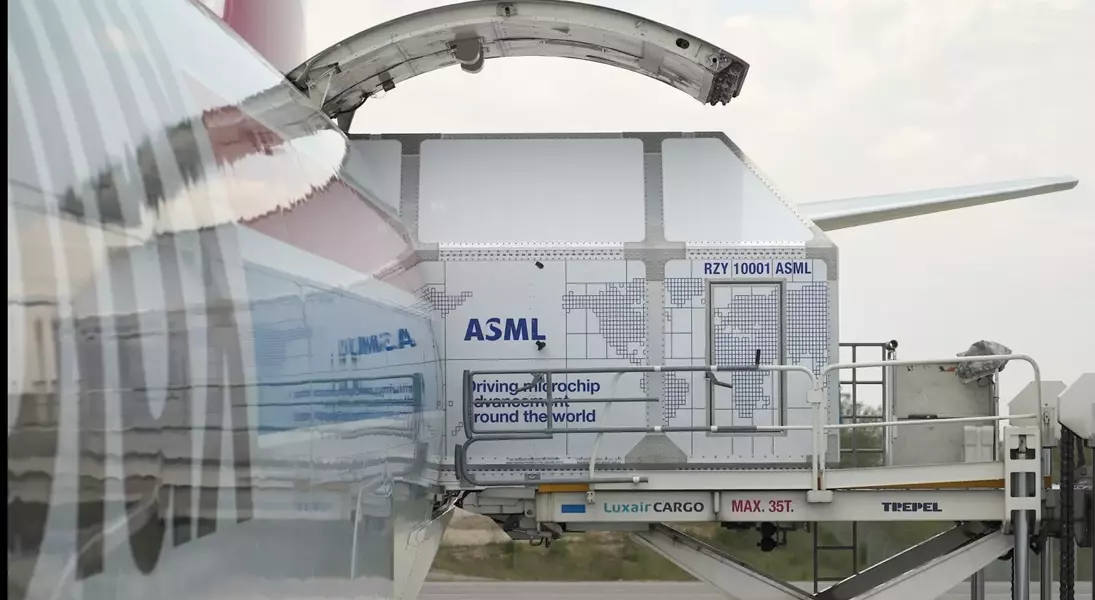


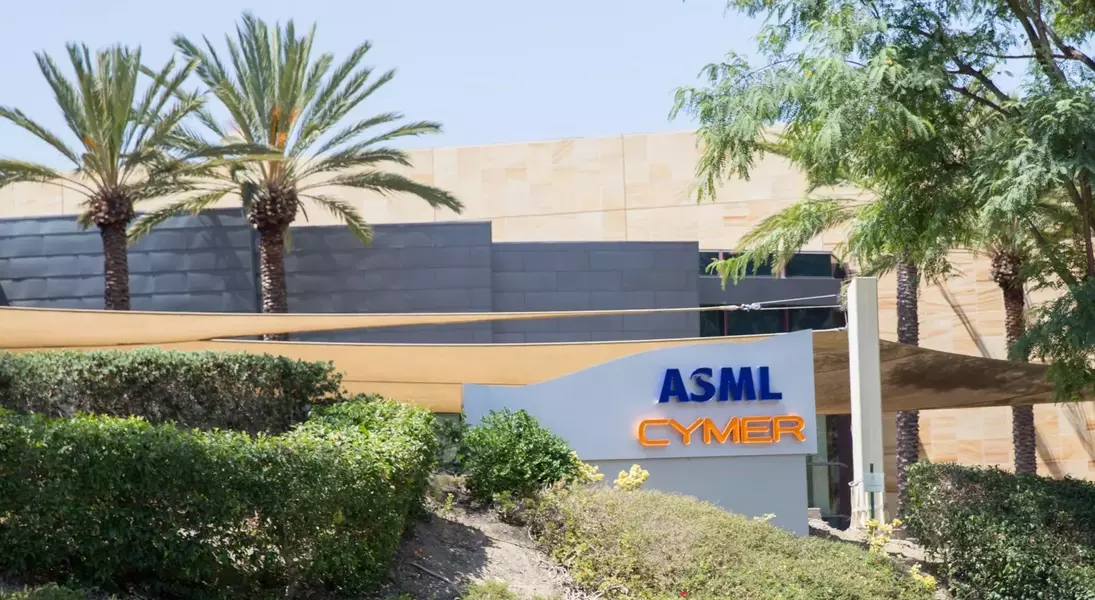

However, the sector also benefits from robust demand driven by advancements in technology and increasing digitalization across various industries. While trade barriers introduce challenges, the underlying need for sophisticated semiconductor components continues to grow. This persistent demand acts as a counterweight to the negative impacts of trade restrictions, providing a degree of resilience to the market. Companies like ASML, which specializes in crucial chip manufacturing equipment, and TSMC, a dominant foundry, are at the heart of this duality, constantly adapting their strategies to both capitalize on demand and mitigate the risks posed by geopolitical factors.
Ultimately, the semiconductor industry, exemplified by companies such as ASML and TSMC, stands as a testament to human ingenuity and relentless progress. Despite facing external pressures from evolving trade policies, the sector's foundational role in technological innovation remains unassailable. The ongoing pursuit of advanced microelectronics not only powers our present but also paves the way for future breakthroughs, embodying a spirit of continuous development and global connectivity that transcends temporary challenges.