OPEC+ Considers Halting Oil Production Increases from October
The Organization of the Petroleum Exporting Countries and its allies, collectively known as OPEC+, are currently deliberating a significant shift in their production strategy. Discussions among delegates indicate a potential halt to the planned increases in oil output, commencing in October. This move, while inherently supportive of oil prices, has not triggered a sustained market rally, suggesting that market participants had largely factored in such a possibility.
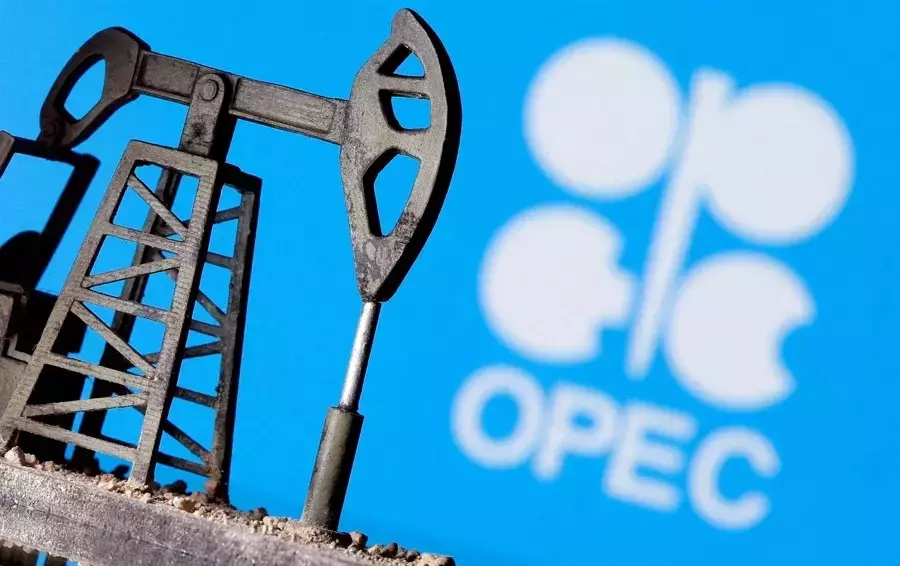
The announcement of potential production stability from OPEC+ signals a cautious approach amidst global economic uncertainties. While a pause in supply expansion might typically lead to an immediate surge in crude prices, the market's subdued reaction highlights the prevalent expectation of such a decision. This underscores a nuanced understanding among traders and investors regarding the dynamics of global oil supply and demand, where anticipated policy shifts are often swiftly integrated into price discovery before formal declarations.
OPEC+ Deliberates Production Freeze
OPEC+ is reportedly engaged in discussions to implement a freeze on oil production increases, commencing in October. This strategic consideration comes at a time when global energy markets are closely monitoring supply-side interventions. Although a decision to pause output hikes might instinctively be perceived as a bullish signal for oil prices, given the potential for tighter supply, the market's response has been remarkably measured.
The market's initial reaction saw oil prices experiencing brief volatility, swinging both higher and lower before settling back to levels observed prior to the news breaking. This immediate reversion indicates that the market had already largely discounted the prospect of OPEC+ opting to maintain current output levels rather than proceeding with further increases. Such an outcome suggests that analysts and traders had accurately forecast the likelihood of this policy adjustment, perhaps due to evolving supply-demand fundamentals or an assessment of the group's broader objectives to stabilize prices in an uncertain global economic landscape.
Market's Muted Response to Anticipated Policy
Despite the intrinsic bullishness of an OPEC+ decision to halt output increases, the oil market's reaction has been largely subdued. Following the initial reports, oil prices exhibited temporary fluctuations but ultimately returned to their previous trading ranges. This suggests that the market had already incorporated the likelihood of such a move, diminishing the impact of the official discussions.
The absence of a sustained price rally indicates a sophisticated market that anticipates and prices in future events. Traders likely considered the prevailing economic conditions, global demand forecasts, and OPEC+'s historical tendencies to adjust supply in response to market signals. This pre-emptive pricing mechanism meant that when the news of potential production stability emerged, it did not introduce a significant new variable into the market equation. Instead, it merely confirmed an already established expectation, leading to a quick return to equilibrium and highlighting the efficiency with which information is absorbed and reflected in oil valuations.