Potential Rise of Euro as a Global Trade Currency
European Central Bank President Christine Lagarde has highlighted the possibility of the euro becoming a credible alternative to the US dollar in international trade. In her recent address in Berlin, she pointed out that the inconsistent economic strategies of the United States have caused global investors to reconsider their reliance on the dollar. This shift opens an opportunity for the euro to step into a more significant role globally, provided certain conditions are met.
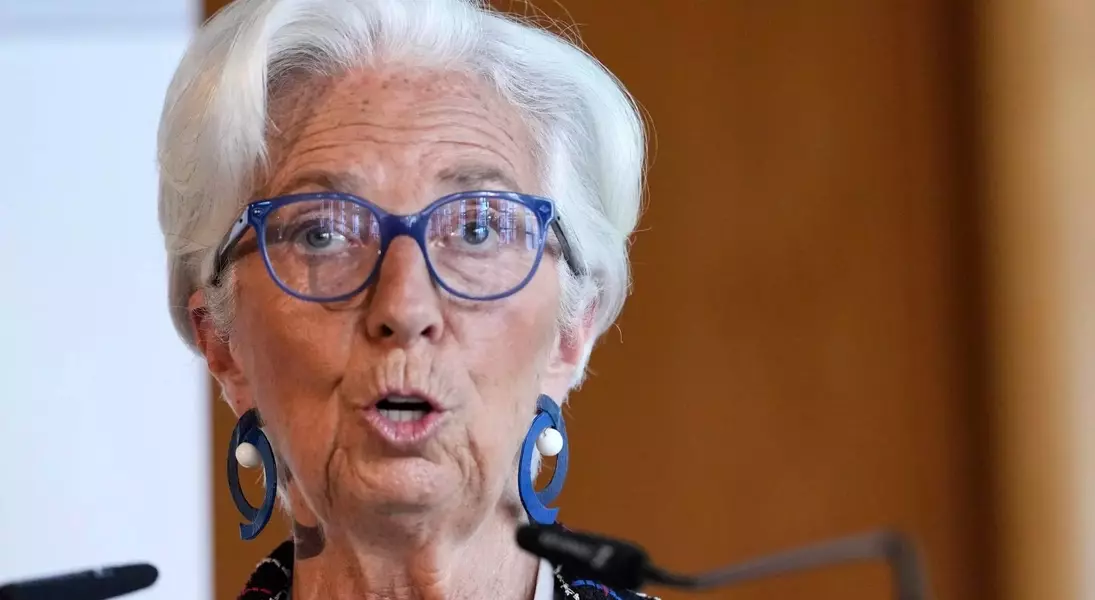
Lagarde emphasized that recent fluctuations in U.S. economic policy have unsettled global markets, prompting investors to seek stability elsewhere. She noted that while some investors have turned to gold, there remains a need for a reliable alternative currency. The president of the ECB suggested that this could be the moment for the euro to assert itself on the world stage. Investors, she argued, are looking for regions with strong security partnerships and geopolitical stability.
The dominance of the U.S. dollar in global reserves has been diminishing over the years, currently standing at 58%, which is the lowest in decades. Despite this decline, the euro still lags significantly behind, holding only 20% of international reserves. To elevate the euro's status, Lagarde proposed enhancing Europe's military strength and promoting the euro as the preferred currency for international trade transactions.
However, challenges remain. For decades, the global role of the euro has remained stagnant due to incomplete financial institutions within the European Union and a lack of enthusiasm among governments for further integration. Lagarde stressed the necessity for a deeper, more liquid capital market in Europe, along with stronger legal foundations and security capabilities to support open trade.
She also mentioned the importance of reforming the domestic economy to address issues such as market fragmentation and inefficiency. Joint financing could pave the way for Europe to increase its supply of safe assets, although this concept remains controversial, especially in countries like Germany, where there is concern about fiscal responsibility.
Should Europe overcome these hurdles, the rewards could be substantial. Increased investment inflows would allow for borrowing at reduced costs, protect against exchange rate fluctuations, and safeguard against international sanctions. Lagarde’s vision outlines a path forward for the euro, suggesting that with strategic enhancements, it could indeed become a leading global currency.