Trump's Bold Tariff Strategy and Geopolitical Outlook Unveiled
Former President Trump is poised to implement a new phase in his economic policy, moving away from prolonged trade negotiations towards a more immediate imposition of tariffs. This strategy is highlighted by his intention to issue numerous tariff letters, a decision driven by the complexities of securing comprehensive trade agreements with a multitude of nations. Simultaneously, his remarks extended to a broad spectrum of global and domestic affairs, encompassing political commentary, international diplomacy, and even disaster response, underscoring his wide-ranging influence and pronouncements.
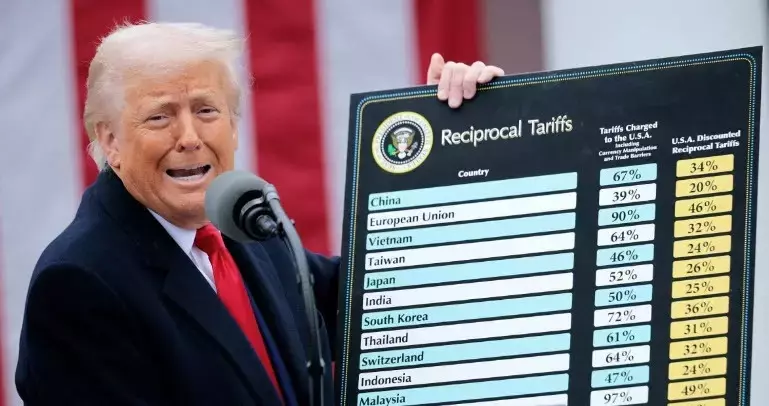
This assertive approach to trade is designed to streamline the process of establishing economic boundaries, ensuring a more direct and less cumbersome method of regulating international commerce. The broader implications of these announcements suggest a concerted effort to reshape America's economic relationships, prioritizing swift action over protracted dialogue. Moreover, his multifaceted statements on various geopolitical events and internal matters collectively paint a picture of a leader deeply engaged in shaping both national and international narratives.
A New Era in Trade Policy: Direct Tariff Implementation
In a significant pivot from traditional trade diplomacy, former President Trump revealed his intention to dispatch between 12 and 15 letters on Monday, formalizing new tariff rates. This proactive measure reflects his long-standing belief that the imposition of fixed tariffs is a more efficient and pragmatic alternative to the arduous process of negotiating comprehensive trade agreements, particularly with a large number of countries. This shift towards direct action aims to accelerate the establishment of new economic frameworks, ensuring that duties are applied without the need for extensive, time-consuming discussions. Commerce Secretary Lutnick has confirmed that these tariffs are scheduled to become effective on August 1, signaling a firm timeline for this policy change.
Trump's preference for direct tariff implementation over complex negotiations with over 170 nations underscores a strategic move to simplify international trade relations from the U.S. perspective. By issuing these letters, his administration intends to bypass the prolonged diplomatic back-and-forth that often characterizes trade deal formulations. This method is viewed as a more expedient way to achieve desired economic outcomes, asserting American commercial interests more decisively. The upcoming August 1 deadline emphasizes the urgency and resolve behind this new tariff strategy, indicating a readiness to proceed with these measures regardless of ongoing or pending bilateral discussions, thereby reshaping global trade dynamics.
Broader Political and Diplomatic Horizons
Beyond the realm of trade, former President Trump's recent comments have spanned a wide array of significant geopolitical and domestic concerns. He voiced strong opinions on Elon Musk's venture into establishing a third political party, categorizing such an endeavor as impractical. On the international front, he expressed optimism regarding the potential for a peace accord with Hamas, suggesting that a deal leading to the release of several hostages could materialize within the week. Furthermore, he indicated plans for future discussions with Israeli Prime Minister Netanyahu to work towards a lasting resolution concerning Iran, highlighting persistent diplomatic challenges in the Middle East. These statements reveal a continued engagement with complex global issues, extending his influence beyond economic policy.
Domestically, Trump also addressed pressing issues, announcing an upcoming visit to Texas following a devastating flood, demonstrating his intent to engage with areas affected by natural disasters. When prompted about the potential phasing out of FEMA, he deferred a definitive answer, stating it was a topic for future consideration. In foreign affairs, he conveyed satisfaction with a recent conversation with Ukrainian President Zelenskiy but expressed disappointment with Russian President Putin, reflecting the intricate and often contradictory nature of international relations. Collectively, these diverse remarks illuminate the multifaceted scope of his continued public discourse, encompassing critical political analyses, intricate diplomatic maneuvers, and responsiveness to national crises, all of which contribute to a comprehensive understanding of his perspectives on various matters of state and global importance.