Trump's Trade Ambitions: European Deals, Global Tariffs, and Market Indifference
Former President Trump's recent statements during an interview have cast a spotlight on his ongoing trade policy ambitions. He articulated a willingness to engage in a trade pact with Europe, concurrently indicating plans to impose tariffs, potentially at rates of 10% or 15%, on a significant number of smaller economies—around 150 nations—which he intends to consolidate under a single tariff figure. Moreover, he noted the imminent finalization of a tariff agreement with India. These declarations, however, elicited a negligible response from the foreign exchange market, particularly concerning the EUR/USD pairing, reflecting a notable lack of impact from his recurring trade-related remarks.
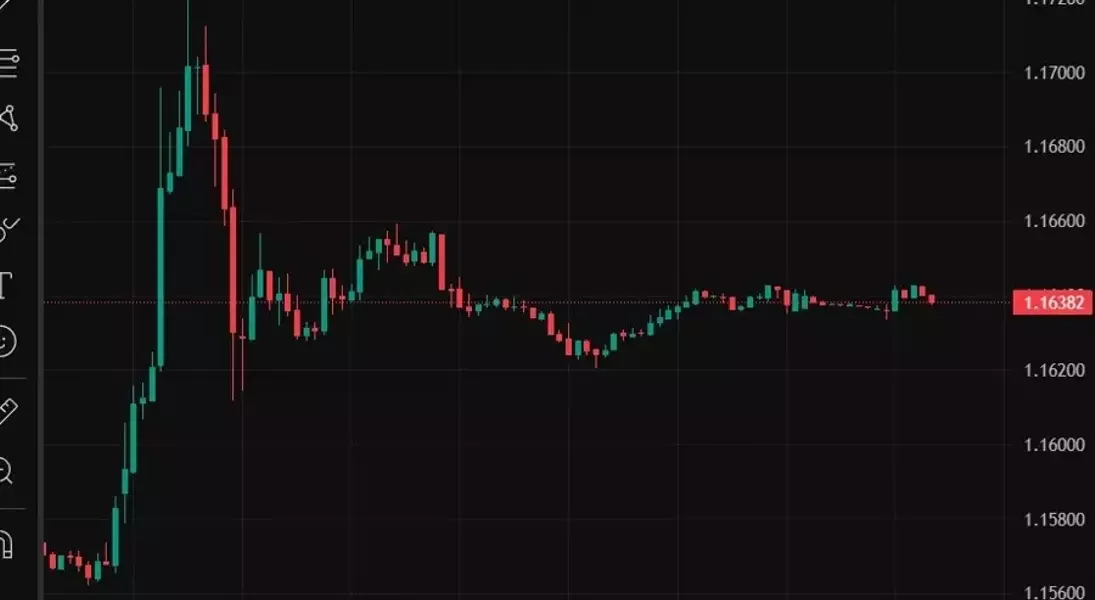
During his recent media appearance, the former President elaborated on his administration's evolving trade strategy. He conveyed a discernible interest in forging new trade relationships, particularly with European counterparts, signaling a potential shift towards bilateral agreements. This willingness to negotiate with Europe suggests a multifaceted approach to global commerce, blending both protectionist measures and strategic partnerships.
Concurrently, his remarks unveiled a more aggressive stance towards a large cohort of developing economies. By proposing a blanket tariff rate of 10% to 15% on approximately 150 smaller countries, Trump indicated a broad application of his 'America First' trade doctrine. This consolidated tariff approach, as he described it, aims to streamline trade enforcement and potentially pressure these nations into more favorable trade terms for the United States.
Adding to the nuanced landscape of his trade agenda, Trump also highlighted progress on specific agreements, notably an nearing tariff deal with India. This illustrates a selective engagement strategy, where certain nations are targeted for focused negotiations to resolve existing trade imbalances or disputes. Despite the potentially far-reaching implications of these trade pronouncements, financial markets, especially the foreign exchange market, remained largely unmoved. The EUR/USD exchange rate, often sensitive to such geopolitical shifts, exhibited minimal fluctuation. This subdued reaction points to a prevailing market sentiment that has become increasingly accustomed to, and perhaps less reactive to, the former President's trade rhetoric, given a history of fluctuating policies and statements that have not always translated into immediate, significant market consequences.
The former President's recent interview offered insights into his perspective on global trade, suggesting a continued focus on altering existing economic relationships. His comments underscored an openness to striking a significant trade deal with Europe, while simultaneously outlining an intention to implement uniform tariffs on a large number of smaller countries, along with a prospective agreement with India. Despite the potential for such policy shifts to influence international commerce, the immediate market response was noticeably muted, indicating that the impact of his trade-related pronouncements on foreign exchange markets has diminished over time.