United States Imposes Significant Tariffs on Brazilian Imports
Unilateral Trade Measures: A New Era for U.S.-Brazil Relations
Unveiling the Tariff Hike: A Presidential Directive
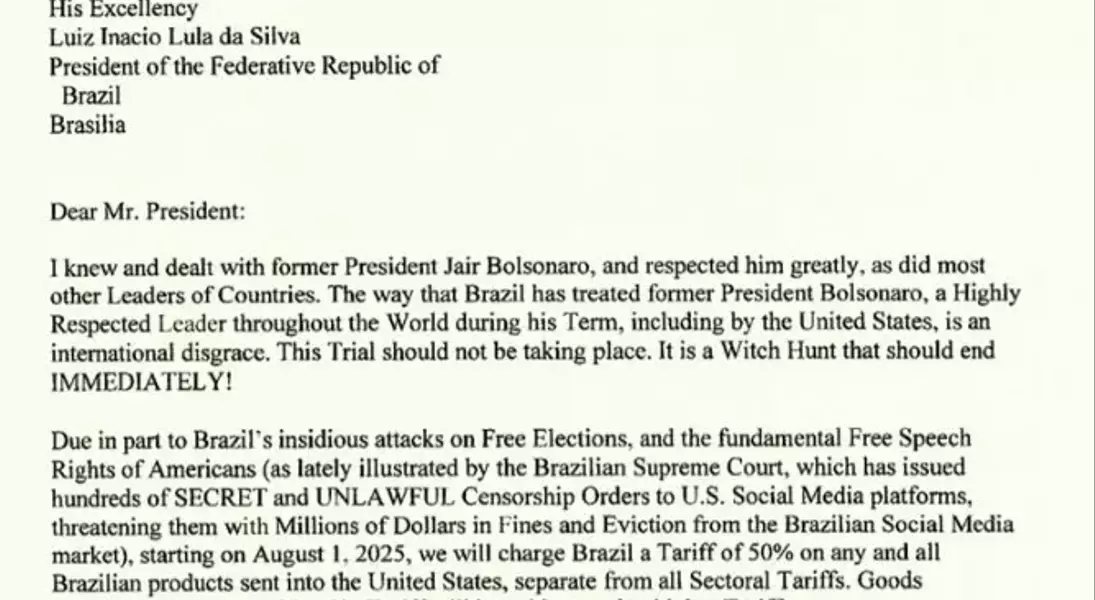
A recent official announcement from the former President of the United States detailed an immediate and substantial increase in tariffs, specifically a 50% levy on a range of goods originating from Brazil. This policy shift was formally communicated through a presidential letter, signifying a direct and decisive approach to international trade relations. The implications of such a significant tariff imposition are wide-ranging, affecting not only the direct trade flows but also the broader economic and diplomatic ties between the two nations.
Immediate Market Response: The Brazilian Real Under Pressure
Following the news of the impending tariffs, the Brazilian currency, the real, experienced an abrupt and notable downturn. Financial markets reacted swiftly, with the real depreciating by more than 2% against the U.S. dollar. This sharp decline underscores the immediate impact of the trade announcement on investor confidence and highlights the sensitivity of currency markets to changes in international trade policy. The volatility in the real reflects concerns among traders and investors about the potential economic fallout for Brazil, including reduced export competitiveness and a possible slowdown in economic growth as a result of these new trade barriers.