US Dollar's Recent Decline and Market Outlook Ahead of Trade Deadline
The American dollar experienced a notable depreciation yesterday, mirroring a decrease in Treasury yields. This movement suggests that financial markets are beginning to align themselves in anticipation of the August 1st trade deadline. Statements from US officials indicate a preference for thorough, high-quality agreements over hastily arranged deals, implying that this deadline might not be as rigid as initially perceived. This shift has raised questions about the resurgence of certain trading strategies, particularly considering the dollar's recent period of strength, which many analysts believe was primarily driven by a short squeeze rather than fundamental changes in market sentiment. Understanding the current momentum and strength of this squeeze is crucial, and currency charts offer a primary tool for assessing these dynamics.
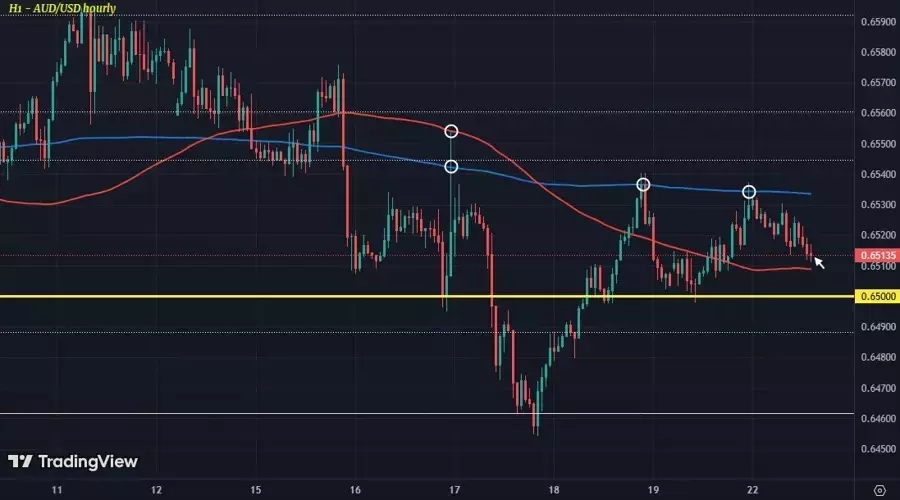
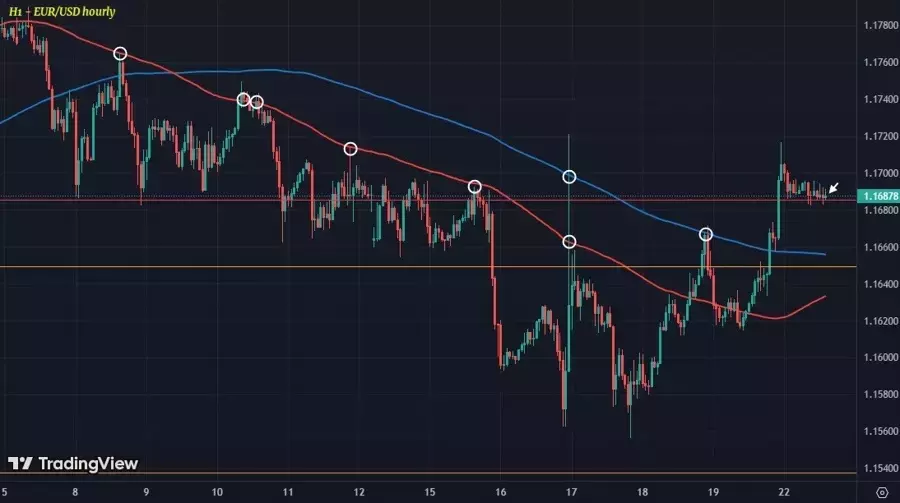
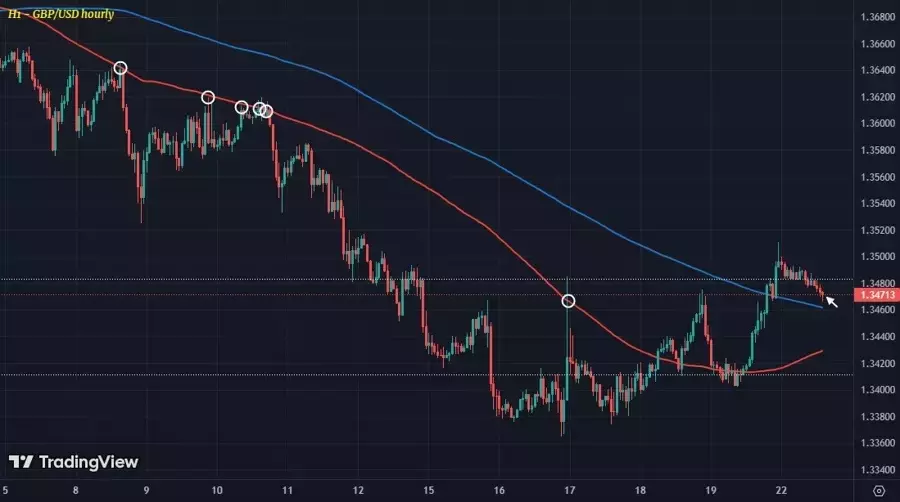
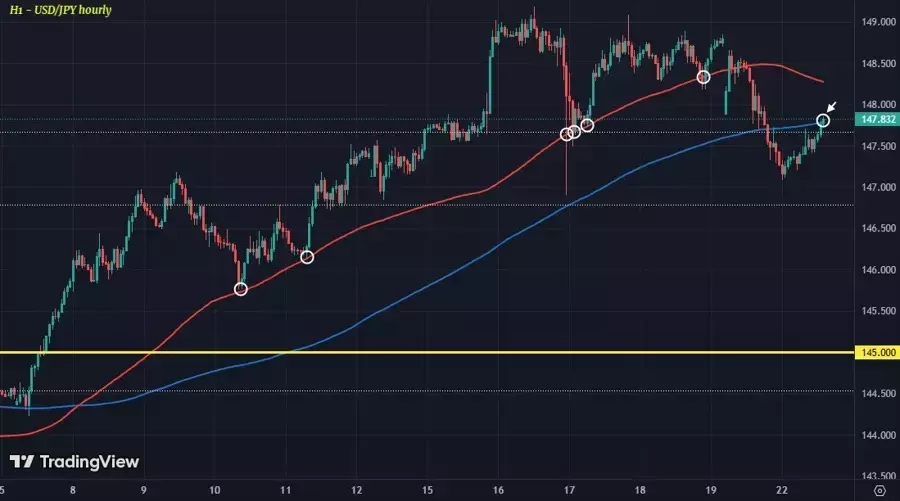
Examining key currency pairs reveals varying responses to the dollar's recent downturn. For instance, the Euro and British Pound against the dollar have seen their exchange rates climb back above critical short-term resistance levels. Previously, the 100-hour and 200-hour moving averages acted as ceilings, constraining upward movements during the dollar's short squeeze. However, following yesterday's decline, price action has consistently remained above these averages, suggesting a shift towards a more bearish outlook for the dollar in the near term against these currencies. Conversely, the dollar's performance against the Japanese Yen presents a more complex picture. While USD/JPY also fell yesterday, it is now attempting to retest its 200-hour moving average, with its ability to stay below this level determining if the bearish bias persists or if it returns to a more neutral stance. This pair's sensitivity to yield fluctuations makes it a key indicator for dollar strength, although domestic political uncertainties in Japan and underpinned JGB yields add layers of complexity for the yen.
Despite these challenges, not all indicators point to a uniformly weakened dollar. The Australian dollar, for example, is offering some support to dollar bulls. The AUD/USD pair has managed to hold firm at crucial hourly moving averages, with the 200-hour moving average successfully capping upside movements observed since late last week. This indicates a period of consolidation, as neither buyers nor sellers have definitively seized control, leaving the immediate direction of the pair open. Overall, yesterday's depreciation has undeniably softened the dollar's position and appears to have halted the momentum of the short squeeze. For the dollar to regain strength, significant efforts are required, as evidenced by technical chart patterns. The currency market seems poised for a decisive battle, with traders needing to commit to a clear direction ahead of the pivotal August 1st trade deadline, pondering whether past trading trends will re-emerge or if new tariff-related policies will dictate future movements.
The intricate dance of global currencies is a testament to the interconnectedness of economies, where political pronouncements, economic data, and market sentiment converge to shape financial landscapes. In such a dynamic environment, adaptability, foresight, and a nuanced understanding of underlying forces are paramount. Just as markets strive for equilibrium, individuals and societies benefit from embracing change, seeking knowledge, and fostering resilience in the face of uncertainty. Every fluctuation, every shift, presents an opportunity for growth and a reminder of the constant need for vigilance and informed decision-making, ultimately contributing to a more stable and prosperous global community.