US Unveils Landmark Regulation for Stablecoin Market
A new era for digital currencies in the United States has dawned with the recent enactment of the GENIUS Act, formally known as the Guiding and Establishing National Innovation for Stablecoins Act. This groundbreaking federal legislation marks a comprehensive step toward regulating U.S. dollar-backed stablecoins, aiming to provide much-needed clarity and stability in the burgeoning digital asset space. The act meticulously defines who is authorized to issue stablecoins, outlines the stringent backing requirements these digital assets must adhere to, and sets forth robust compliance measures.
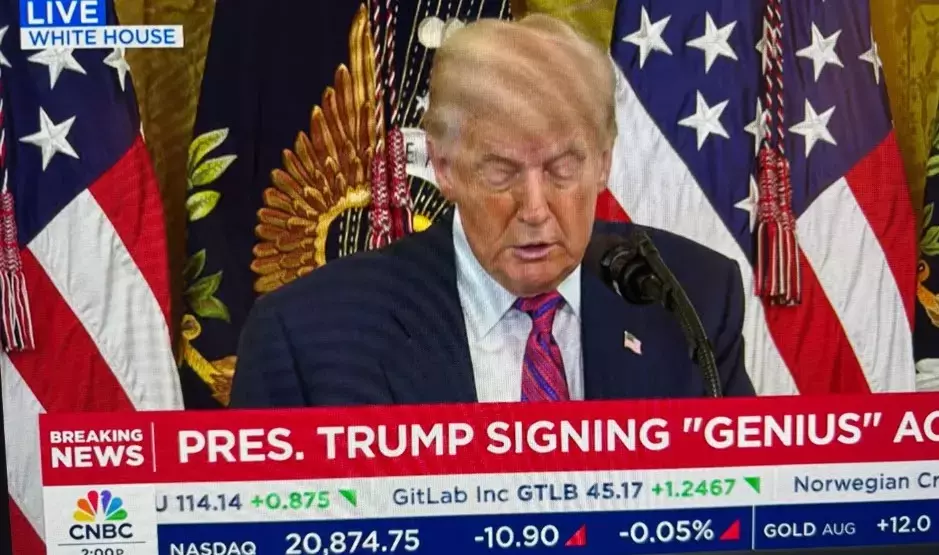
At its core, the GENIUS Act addresses the inherent characteristics of stablecoins, which are cryptocurrencies engineered to maintain a consistent valuation, typically by being pegged to a stable reserve asset like the U.S. dollar, euro, or gold. Key provisions of this legislation include mandating that only federally approved financial institutions, licensed non-bank entities, and qualifying state-regulated bodies can issue stablecoins. Furthermore, it stipulates that all stablecoins must maintain a 1:1 backing with highly liquid reserve assets, with monthly public disclosures required to ensure transparency. In the event of bankruptcy, stablecoin holders are granted priority claims on these underlying reserve assets. The law also integrates critical financial safeguards, requiring issuers to comply with the Bank Secrecy Act's anti-money laundering protocols, sanctions monitoring, and the ability to freeze suspicious accounts. This dual oversight by federal and state regulators, with federal intervention possible under specific conditions, is intended to safeguard U.S. financial interests and uphold the dominance of the U.S. dollar globally.
The significance of the GENIUS Act extends beyond mere regulation; it represents a strategic move to solidify the U.S.'s standing in the global digital economy. By introducing regulatory certainty, the act is poised to encourage broader adoption and innovation within the approximately $260 billion stablecoin market. This clarity also paves the way for traditional banking institutions to explore issuing their own compliant stablecoins, fostering a more inclusive financial ecosystem. Moreover, the legislation prioritizes consumer protection, establishing standards designed to ensure market stability and transparency for all participants. Through these measures, the United States is actively shaping the future of digital asset governance, striving to be at the forefront of this transformative financial technology.
Embracing innovative technologies with clear, thoughtful regulatory frameworks is essential for fostering a secure and prosperous digital future. By proactively addressing the complexities of digital assets like stablecoins, nations can create environments where innovation flourishes responsibly, protecting consumers and maintaining financial integrity. This forward-thinking approach not only strengthens economic stability but also reinforces trust in digital systems, paving the way for broad societal benefits and continued technological advancement.