Yen Weakens Significantly Amidst Trade Tensions and Rising Currency Pairs
The Japanese Yen is currently experiencing a period of significant depreciation against major global currencies, notably the US Dollar and the British Pound. This weakening trend is reflected in key currency pairs, with USD/JPY ascending to its highest valuation in two weeks and GBP/JPY reaching an eight-month peak. This shift in currency dynamics is unfolding against a backdrop of escalating trade tensions, specifically the application of substantial tariffs by the United States on Japanese imports. Despite the potential economic ramifications, Japanese leadership has firmly asserted its commitment to safeguarding national interests, signaling an unwavering approach to trade policy.
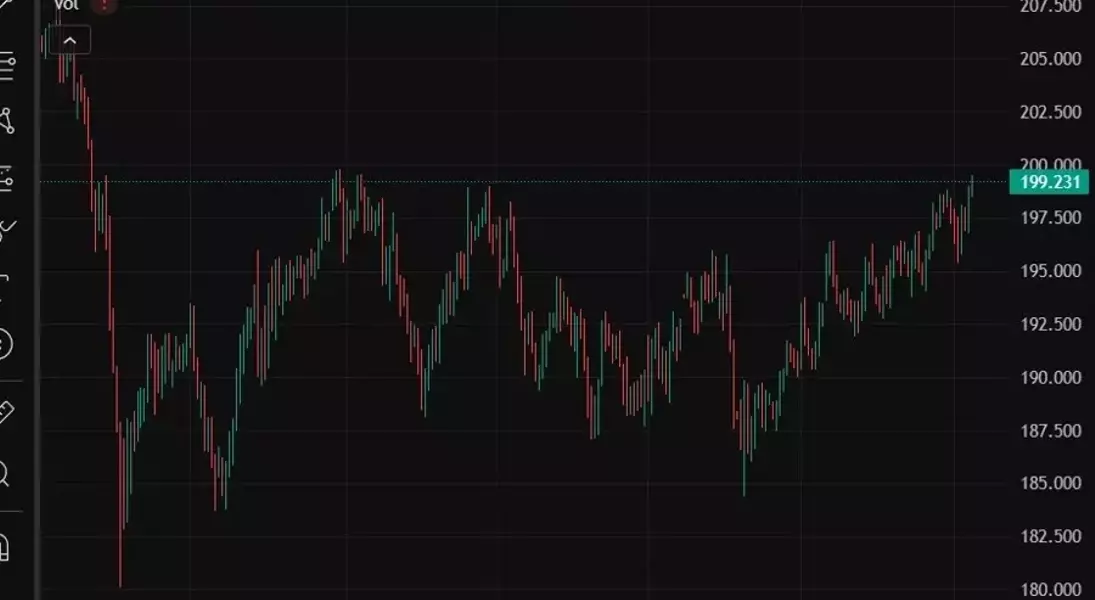
This currency movement highlights the intricate interplay between global trade policies and their immediate impact on financial markets. The Yen's current trajectory suggests that investors are reacting to both the direct effects of trade disputes and the long-term implications of countries maintaining strong negotiating positions. Such market behavior underscores the volatile nature of foreign exchange and the critical role of political resolve in shaping economic outcomes.
The Yen's Plummeting Performance
The Japanese Yen (JPY) has recently shown a significant decline in value against other major currencies. This trend is clearly visible in the performance of key currency pairs, with USD/JPY reaching its strongest point in two weeks and GBP/JPY soaring to an eight-month high. This broad weakening of the Yen is primarily attributed to heightened trade tensions, specifically the announcement of a 25% tariff by the United States on Japanese products, despite a temporary extension of the implementation deadline to August 1st.
The market's immediate response to these developments has been a depreciation of the Yen, as traders and investors adjust their positions in anticipation of potential economic headwinds. The sustained strength of the US Dollar and British Pound against the Yen reflects a shift in market confidence and capital flows. This scenario emphasizes how geopolitical decisions, especially those concerning trade, can directly influence currency valuations and create significant fluctuations in the global foreign exchange market.
Trade Disputes and Japan's Unyielding Stance
A crucial factor driving the Yen's current weakness is the ongoing trade dispute with the United States. Following the US's decision to impose substantial tariffs on Japanese imports, Japanese Prime Minister Ishiba has articulated a resolute stance. He affirmed that Japan will not yield in defending its economic interests, indicating that the lack of a tariff agreement stems from Japan's unwavering commitment to its own positions.
This steadfast approach by Japanese leadership signals that the nation is prepared to endure the implications of these trade measures rather than making concessions. Such a firm political stance can have profound effects on currency markets, as it suggests a prolonged period of trade friction. The market's interpretation of these developments is that Japan's commitment to protecting its economic sovereignty will continue to exert pressure on the Yen, as investors weigh the potential for a protracted trade disagreement and its broader economic consequences.