Akazawa Declares Trade Deal Success, Yen and JGBs React Positively
A New Dawn in Trade Relations: Stability Emerges from Diplomatic Efforts
Navigating the Labyrinth of Unreliable Declarations and Market Skepticism
In recent times, financial markets have grappled with a pervasive sense of uncertainty, primarily fueled by a series of ambiguous and often contradictory pronouncements from certain global leaders regarding trade negotiations. This pattern of inconsistent communication has fostered a climate of distrust, compelling investors to approach any new claims of breakthrough with considerable caution. The prevailing sentiment has been one of 'wait and see,' as past experiences have frequently demonstrated a discrepancy between initial grand statements and the eventual realities of finalized agreements.
The Authenticity of Akazawa's Affirmation: A Beacon of Clarity in Trade Dialogue
Against this backdrop of market apprehension, the recent affirmation from Japanese officials, particularly Akazawa, stands in stark contrast. Unlike previous instances where bold claims lacked substantiation, Akazawa's communication has consistently been marked by transparency and candor throughout the negotiation process. His direct confirmation, delivered through a concise yet impactful social media update, provided a much-needed sense of relief and credibility. This direct and unvarnished approach to public messaging has distinguished his announcements from the often-convoluted rhetoric of other parties involved in the discussions.
The Triumph of Diplomacy: Akazawa's Pivotal Role in Securing a Landmark Agreement
The recent declaration by Akazawa, encapsulated in a simple yet powerful social media post stating 'Mission Accomplished,' signals a significant diplomatic victory. This announcement confirms the successful culmination of extensive trade discussions, indicating that Japan has achieved its objectives in forging a crucial economic partnership. This milestone not only reflects diligent negotiation but also Akazawa's steadfast commitment to securing a beneficial outcome for his nation, demonstrating effective leadership in a complex global trade landscape.
Immediate Market Repercussions: The Yen's Upward Trajectory and Bond Market Dynamics
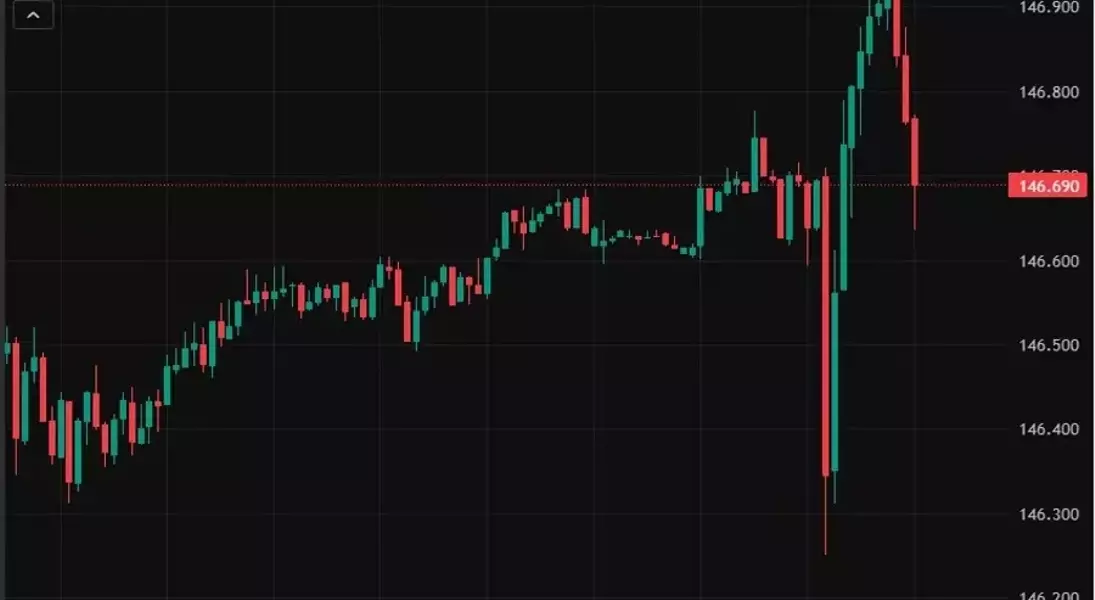
In the wake of Akazawa's decisive announcement, financial markets quickly reflected renewed confidence. The Japanese Yen experienced a notable appreciation against major currencies, signaling investor belief in the stability and positive implications of the newly minted trade deal. Concurrently, Japanese Government Bonds (JGBs) also registered a favorable response, with yields on 10-year bonds decreasing by 3 basis points. This decline in yields indicates an increased demand for JGBs, as investors perceive them as a safer and more attractive investment given the enhanced economic certainty brought about by the trade agreement.