Australia's Economic Momentum Stalls as Westpac Leading Index Shows Weakness
Australia's economic landscape is showing signs of reduced dynamism, as indicated by the most recent data from the Westpac-Melbourne Institute Leading Index. This critical economic gauge, designed to forecast the nation's economic activity over the subsequent three to nine months, has registered a notable decline in its six-month annualized growth rate. The slowdown reflects underlying vulnerabilities within the economy, stemming from a confluence of internal and external pressures. Analysts are closely monitoring these developments, as they could presage a more challenging period for Australian economic growth. The implications extend beyond statistical figures, touching upon various sectors and the overall economic sentiment, urging a cautious outlook for the near to medium term.
The current state of the Australian economy, as observed through the Westpac-Melbourne Institute Leading Index, points towards a significant deceleration in its growth trajectory. This index, a forward-looking indicator, provides insights into the likely pace of economic activity. The latest figures show a marked slowdown in the six-month annualized growth rate, which fell to a mere 0.03% in June, a considerable drop from the 0.11% recorded in May. This downward trend suggests that the robust momentum seen in previous periods is waning, potentially signaling a more subdued economic environment in the coming quarters. The index’s movement is a crucial barometer for policymakers and investors alike, offering an early warning of shifts in economic health.
Westpac's Economic Outlook: A Slower Pace Ahead
The Westpac-Melbourne Institute Leading Index, a crucial barometer for Australia's economic trajectory, has signaled a significant deceleration in the nation's growth momentum. The annualized six-month growth rate, which projects economic activity between three and nine months into the future, dropped to a mere 0.03% in June, a notable decrease from 0.11% in May. This downward revision underscores a stalling in economic expansion, suggesting a more challenging period lies ahead for the Australian economy. Factors contributing to this slowdown include shifts in global commodity prices, evolving market sentiment, and changes in labor market dynamics, all of which are exerting pressure on the overall economic outlook.
A deeper dive into the Westpac report reveals that several key components are exerting a drag on the Leading Index. The decline in commodity prices, a significant revenue source for Australia, is directly impacting the nation's economic prospects. Simultaneously, a prevailing sense of caution and reduced optimism within the market is contributing to the overall slowdown. Furthermore, a decrease in the aggregate hours worked across various sectors points to a softening in labor market conditions, further dampening economic vitality. These interwoven factors suggest a fragile economic environment, particularly if external supports, such as stability in financial markets, favorable interest rate expectations, and sustained U.S. economic growth, begin to wane. The intricate interplay of these elements paints a picture of an economy teetering on the edge of a more pronounced slowdown, necessitating careful monitoring and proactive policy responses to mitigate potential negative impacts.
Underlying Factors and Market Implications
The latest economic assessment from Westpac highlights that the primary forces behind the observed slowdown are a combination of internal vulnerabilities and external pressures. The report pinpoints the significant impact of declining commodity prices, which traditionally have been a cornerstone of Australia's economic strength. Coupled with this, a perceptible downturn in overall market sentiment and a reduction in hours worked are collectively contributing to the weakening momentum. These factors suggest that the Australian economy's near-term resilience may be compromised, especially if the supportive conditions from global financial markets, current interest rate expectations, and the steady growth of the U.S. economy begin to diminish. Such a scenario could expose deeper fragilities within the domestic economic framework.
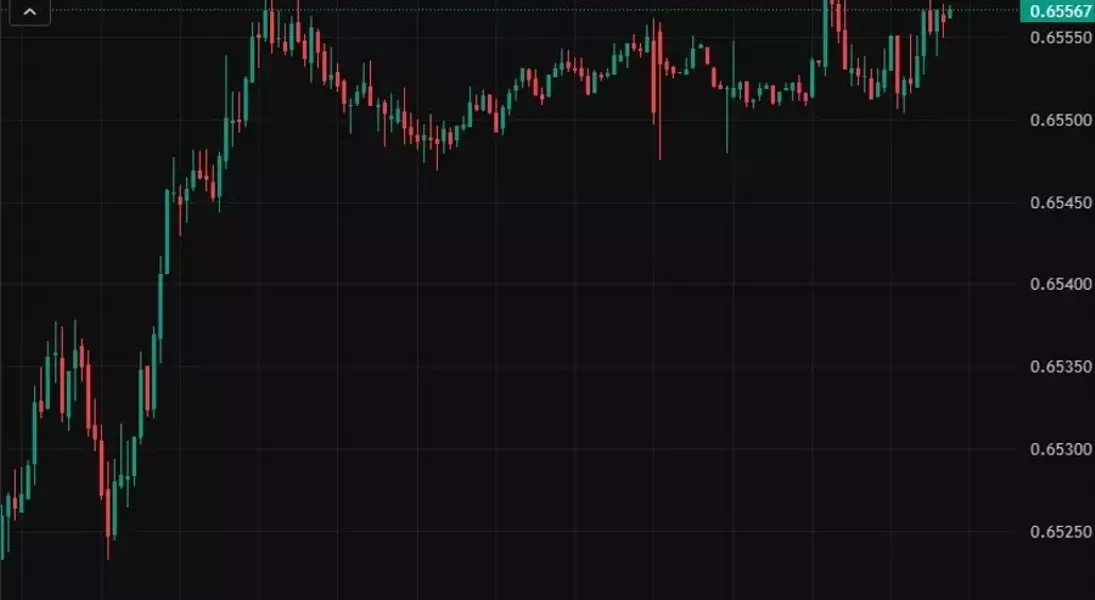
The detailed analysis by Westpac underscores the delicate balance maintaining Australia's economic stability. The report emphasizes that the current stall in momentum is not merely a statistical anomaly but a reflection of tangible shifts in economic drivers. For instance, the sensitivity of the Australian economy to global commodity price movements means that any sustained downturn in these prices can quickly translate into domestic economic headwinds. Similarly, shifts in market sentiment, often influenced by geopolitical events or global economic uncertainty, can affect investment and consumption patterns. The reduction in hours worked signals a potential weakening in labor demand, which if prolonged, could impact household incomes and overall economic activity. Therefore, the report serves as a crucial reminder of the interconnectedness of various economic indicators and the potential for a ripple effect across the economy should these identified supports falter. The Australian dollar's relatively stable performance against the U.S. dollar, despite these concerns, also warrants attention, suggesting that market participants may be awaiting further clarity or are factoring in other compensatory mechanisms within the broader economic outlook.