Barclays Forecasts Moderate USD Weakness, Limited EUR/USD Gains Ahead of Month-End
Barclays' internal currency rebalancing analysis forecasts a moderate depreciation of the US dollar as the month draws to a close. Despite this broader trend of dollar selling across several G10 currency pairs, the model projects only a marginal uplift for the EUR/USD exchange rate. This suggests that while market flows will generally put downward pressure on the greenback, the euro's gains against it might be considerably muted compared to other major currencies.
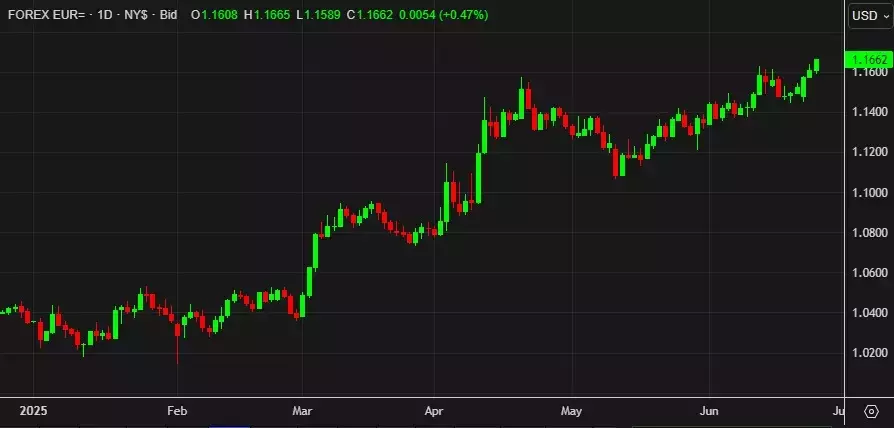
According to the recent assessment by Barclays' proprietary rebalancing framework, a noticeable but not substantial selling pressure on the US dollar is anticipated as June concludes. This outlook is primarily driven by routine month-end adjustments in financial portfolios. While many G10 currency pairs are expected to reflect this dollar weakness, the signal for the euro-dollar pair remains distinctly subdued, indicating that the common currency may not capture significant strength from these movements.
Looking further ahead to the quarter-end, the model predicts an even more pronounced dollar-selling environment. Yet, even under these stronger conditions, the EUR/USD pair continues to exhibit only a weak upward bias. In contrast, other pairs, such as USD/JPY, show a more moderate selling signal for the dollar, suggesting diverse impacts across the foreign exchange market. This divergence implies that the euro’s performance could lag behind its counterparts when the dollar softens, reinforcing a broader theme of the euro’s relative underperformance against other leading currencies.
Ultimately, while impending portfolio rebalancing activities could induce some downward pressure on the U.S. dollar, any potential appreciation for the EUR/USD resulting from these flows is likely to be limited. Consequently, market participants might find more promising opportunities for profiting from dollar depreciation by focusing on other major currency pairings, where the expected impact of rebalancing flows is projected to be more significant and advantageous.