Global Markets Reel as US Tariffs Shake Trade Relations: A Deep Dive into Economic and Geopolitical Shifts
Navigating Volatility: Tariffs, Currencies, and Market Dynamics
Unilateral Trade Measures Spark Global Market Volatility and Currency Shifts
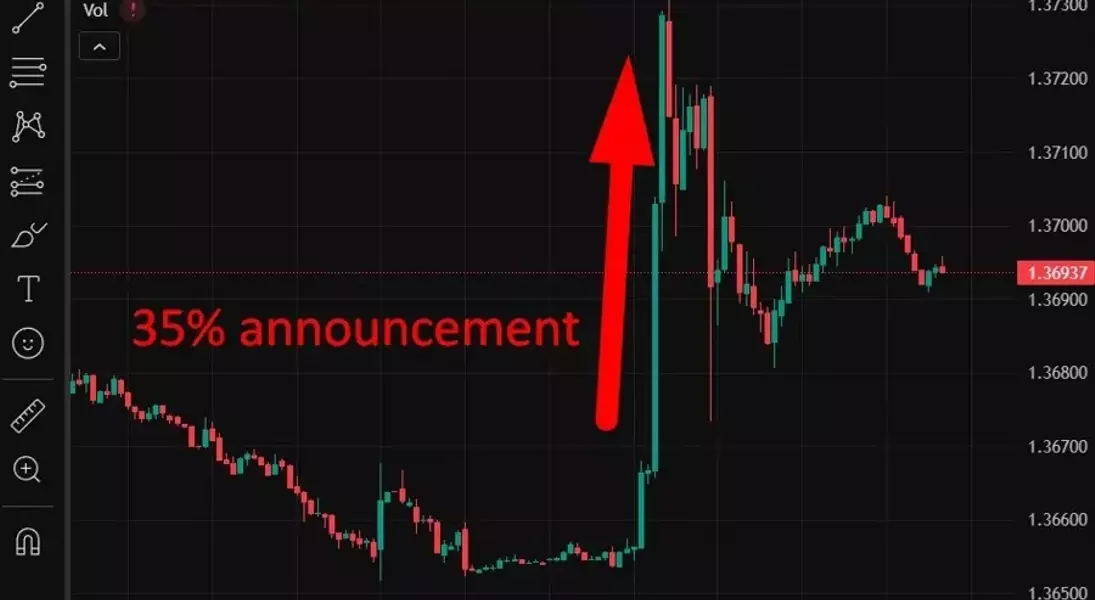
In a significant move, former U.S. President Trump declared an impending 35% tariff on Canadian imports, effective August 1st. This measure, distinct from existing sector-specific duties, was communicated in a direct message to Canadian Prime Minister Carney, with a conditional offer for revision based on Canada's collaboration in combating fentanyl trafficking. Although a U.S. official later clarified that products covered under the USMCA agreement would remain exempt, the initial announcement created considerable uncertainty. This policy shift underscores a broader strategic intent, as Trump also indicated plans to escalate the universal baseline tariff to 20%, with similar notifications expected for the European Union. These actions highlight a renewed focus on protectionist trade policies and their potential to reshape international economic relationships.
Immediate Repercussions Across Financial Markets
The financial markets reacted sharply to the news of the proposed tariffs. The U.S. dollar experienced a widespread surge against major currencies, including the Euro, Australian Dollar, British Pound, New Zealand Dollar, Swiss Franc, and notably, the Canadian Dollar, which bore the brunt of the initial impact. While some of these currencies later saw a degree of recovery, the Japanese Yen largely retained its depreciated value against the U.S. dollar. The USD/JPY pair, in particular, climbed above the 147.00 mark, sustaining most of its upward momentum. This immediate market response illustrates the sensitivity of global currencies to shifts in trade policy and geopolitical rhetoric.
Beyond Currencies: Notable Market Movements and Geopolitical Undercurrents
Beyond currency markets, other significant developments captured investor attention. Bitcoin recorded an impressive surge, reaching an unprecedented high above $116,750, showcasing the ongoing bullish sentiment in the cryptocurrency space. Concurrently, iron ore prices continued their upward trajectory for the third consecutive week, marking their most robust performance since January, fueled by optimistic expectations of further property sector stimulus in China. In Hong Kong, the Monetary Authority intervened for the fourth time in two weeks, injecting HKD13.8 billion to bolster the local currency, which has been hovering at the weaker end of its permitted trading range. On the geopolitical front, reports emerged regarding Trump's intentions to facilitate substantial arms sales to NATO allies, with the understanding that these armaments would subsequently be transferred to Ukraine, signaling potential escalations in international security dynamics.