USD Fluctuations Amidst US-Canada Tariff Discussions
Recent developments concerning international trade policies have created significant turbulence in global financial markets, particularly impacting currency valuations. Following the announcement of potential tariffs on Canadian imports, the US dollar initially strengthened across various major currency pairs. This immediate reaction led to a broad depreciation of currencies like the Euro, Australian dollar, New Zealand dollar, British pound, Japanese yen, and Swiss franc against the greenback. Concurrently, equity markets, including the ES and NQ indices, registered declines on Globex, reflecting heightened investor anxiety.
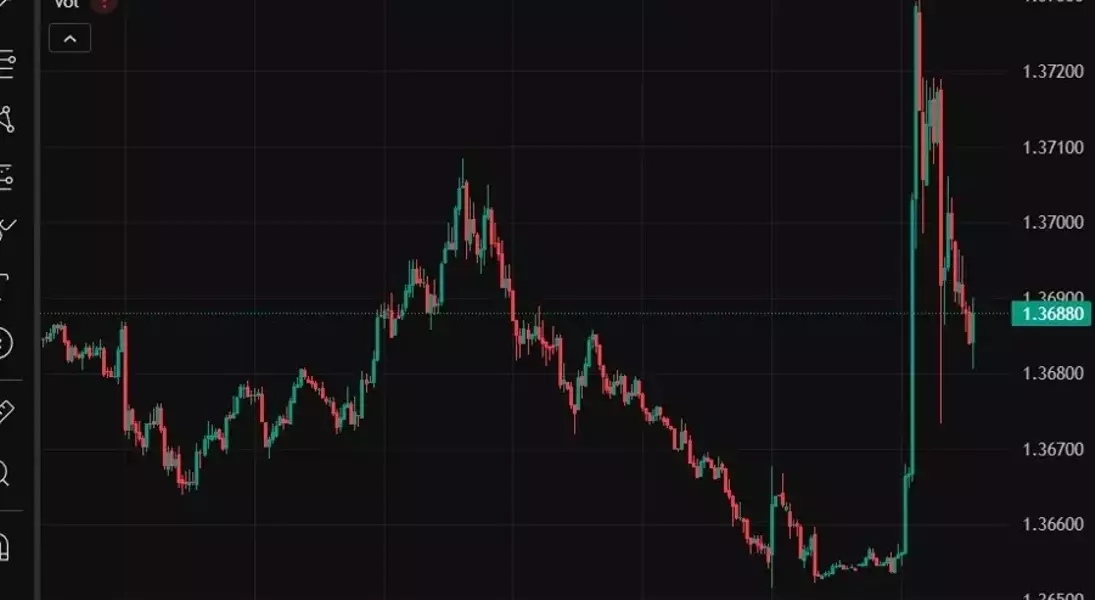
The Canadian dollar bore the brunt of the initial market shock, experiencing a sharp downturn in its value. The proposed 35% tariff rate on Canadian goods, conveyed through official communications, triggered considerable selling pressure on the loonie. This move was part of a broader strategy, as former President Trump indicated intentions to notify other major trading partners, including the European Union, about impending tariff rates. The swift response from currency traders highlighted the market's sensitivity to shifts in trade rhetoric and policy.
However, the initial fervor surrounding the USD's ascent soon began to moderate. A key factor in this retracement was the emergence of crucial clarification regarding the scope of the tariffs. Official statements from U.S. representatives indicated that goods covered under the United States-Mexico-Canada Agreement (USMCA) would largely remain exempt from these new levies. This specific detail served to allay some of the market's concerns, particularly for the Canadian dollar, which started to regain some lost ground.
Furthermore, market participants, familiar with the former President's assertive negotiation style, anticipated that such announcements might often be subject to revision or refinement. This expectation, combined with the USMCA clarity, contributed to a gradual restoration of confidence among traders. While the Australian dollar managed to rebound to its pre-announcement levels, other currencies like the Euro, British pound, New Zealand dollar, and Swiss franc continued to face an uphill battle in recovering their losses. The Japanese yen, notably, showed minimal recovery, holding near its highs against the dollar.
The evolving situation underscores the delicate balance of international trade relations and their profound impact on currency and equity markets. As details surrounding trade policies become clearer, market reactions tend to recalibrate, leading to adjustments in asset valuations. The initial broad-based surge of the US dollar has given way to a more nuanced response, with some currencies, like the CAD, demonstrating resilience, while others still navigate the path to full recovery.