Former President Trump Imposes Stiff 35% Tariff on Canadian Goods, Causing CAD Turmoil
In a bold declaration from the United States, former President Donald Trump has unilaterally levied a substantial 35% tariff on Canadian imports, sparking immediate and significant repercussions across global financial markets. This aggressive trade measure has particularly unsettled the Canadian dollar, triggering a noticeable decline in its valuation against other major currencies. Such an action signals a re-escalation of protectionist trade policies, challenging established economic frameworks and prompting concerns about the broader implications for international commerce and diplomatic ties between the two North American neighbors. The move underscores a contentious approach to trade, emphasizing domestic economic priorities over collaborative global integration.
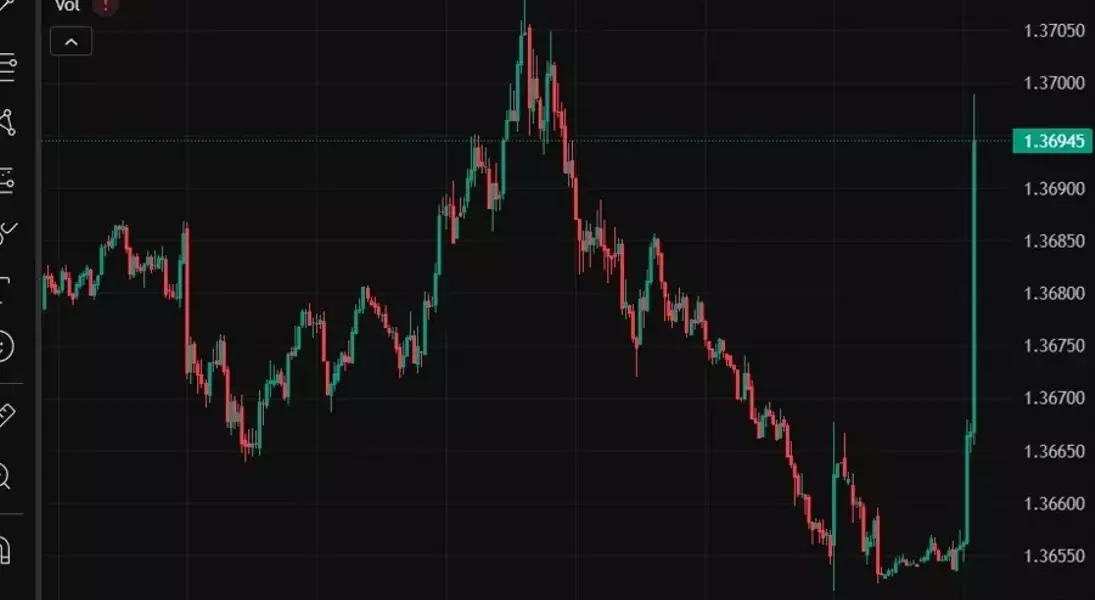
The announcement of a 35% tariff on goods originating from Canada by former President Donald Trump has ignited considerable debate and economic uncertainty. This policy shift, delivered via an official communication, underscores a renewed focus on aggressive trade tactics reminiscent of his previous administration's 'America First' doctrine. The immediate and most pronounced impact of this decision has been observed in the foreign exchange market, where the Canadian Dollar (CAD) has experienced a notable depreciation. This currency fluctuation reflects investor apprehension regarding the future of Canada's export-dependent economy and the potential for reduced trade volumes with its largest trading partner.
Historically, trade relations between the United States and Canada have been characterized by extensive integration and mutual dependency, facilitated by agreements such as NAFTA and its successor, USMCA. The imposition of such a high tariff rate represents a sharp deviation from this norm, introducing a significant barrier to cross-border trade. Analysts are now closely monitoring the situation, as the CAD's performance serves as a barometer for market sentiment toward this escalating trade tension. The tariff's economic consequences could extend beyond currency depreciation, potentially affecting Canadian industries reliant on the U.S. market and leading to higher costs for American consumers. This development raises crucial questions about supply chain resilience, bilateral trade negotiations, and the potential for retaliatory measures from Ottawa, further complicating the economic landscape.
This unilateral imposition of tariffs on Canadian products by former President Trump carries profound implications, creating immediate volatility in currency markets and signaling a potential recalibration of long-standing bilateral trade dynamics.