Global Trade Developments Drive Euro Higher as Week Commences
The global financial landscape is abuzz with fresh trade agreements and geopolitical maneuvering as the new week gets underway. A significant 'framework' trade deal between the United States and the European Union, reportedly including a 15% rate, has sent ripples through the currency markets, with the Euro experiencing an immediate uplift. Concurrently, an anticipated three-month extension of the tariff ceasefire between the US and China, as reported by the South China Morning Post, signals a continued effort to de-escalate trade tensions between the world's two largest economies. These developments are setting the tone for currency valuations and market sentiment as liquidity gradually builds following the weekend pause.
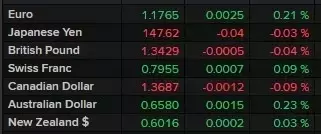
As trading desks come alive, the initial thin market conditions are giving way to increasing activity, highlighting the sensitivity of currency prices to major news. The strengthening of the Euro against the US Dollar reflects investor optimism regarding the transatlantic trade agreement, which is expected to foster greater economic cooperation and stability. Meanwhile, the prospect of prolonged trade peace between Washington and Beijing could alleviate uncertainties that have long shadowed global supply chains and investment flows. These early signals underscore the intricate relationship between international diplomacy and currency movements, shaping the outlook for global markets in the days ahead.
Transatlantic Trade Agreement Bolsters Euro's Position
The commencement of the new trading week has been marked by a pivotal announcement regarding a new 'framework' trade deal between the United States and the European Union. This agreement, which includes a reported 15% rate, has been a significant catalyst for market movements, particularly impacting the Euro. As the news disseminated, the common European currency saw an immediate appreciation against its major counterparts, signaling a vote of confidence from market participants. This early surge occurred amidst thin market liquidity, a typical characteristic of Monday mornings before all major Asian trading centers are fully operational, which can amplify price fluctuations.
The details of this transatlantic accord are still emerging, but the immediate market reaction indicates a positive reception to the structured approach outlined in the 'framework' deal. Traders and investors are interpreting this as a step towards greater stability and predictability in international trade relations, potentially unlocking new opportunities for economic growth and collaboration between two of the world's largest economic blocs. The improved outlook for trade ties between the US and the EU suggests a more constructive environment for businesses and investors, which inherently supports the Euro's value. Monitoring the full implications of this deal will be crucial as the week progresses and market activity intensifies.
Extended US-China Tariff Ceasefire Offers Stability
In addition to the transatlantic developments, the global trade narrative is further shaped by news suggesting an extension of the tariff ceasefire between the United States and China. According to reports from the weekend's South China Morning Post, the two economic giants are expected to prolong their current trade truce by another three months. This potential extension of the tariff ceasefire provides a much-needed period of predictability for global supply chains and international businesses, which have been navigating a volatile trade environment for an extended period.
The continuation of trade dialogue and the avoidance of escalating tariffs between the US and China are crucial for maintaining global economic stability. Businesses can proceed with greater certainty in their planning and operations, reducing the immediate risk of disruptive trade barriers. This development, alongside the US-EU framework deal, contributes to an overarching sense of cautious optimism in the markets. The combined effect of these trade-related announcements highlights how diplomatic efforts to resolve trade disputes can significantly influence currency valuations and broader market sentiment, providing a more stable backdrop for international commerce and investment.