Gold Prices Decline as Geopolitical Tensions Ease
The price of gold has recently experienced a downturn, largely attributed to the de-escalation of tensions between Israel and Iran. This geopolitical shift has diminished the metal's allure as a safe-haven asset, prompting a reversal of capital flows. Despite this short-term correction, the broader outlook for gold remains positive, bolstered by expectations of the Federal Reserve's accommodative monetary policies. Traders are keenly observing forthcoming economic indicators, as these reports will significantly influence the trajectory of gold's value in the near future.
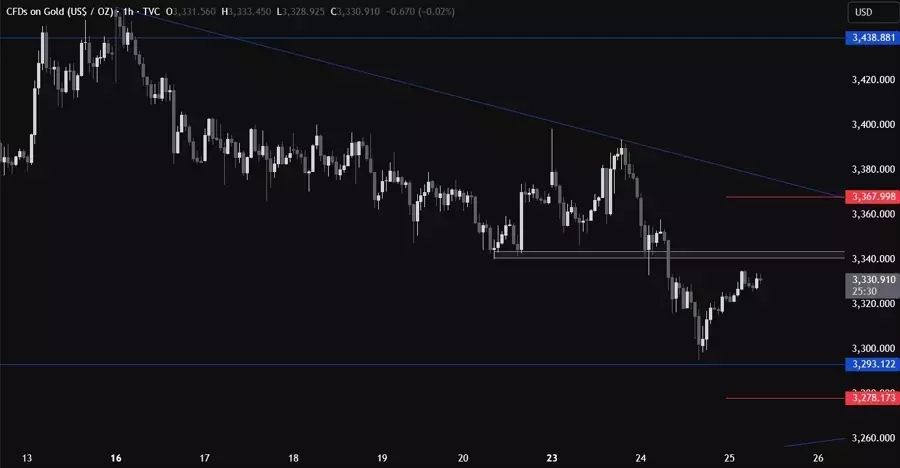
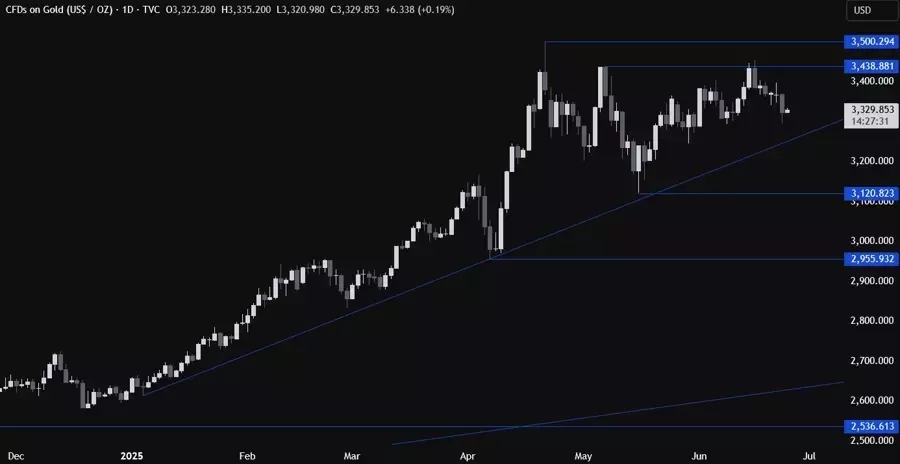
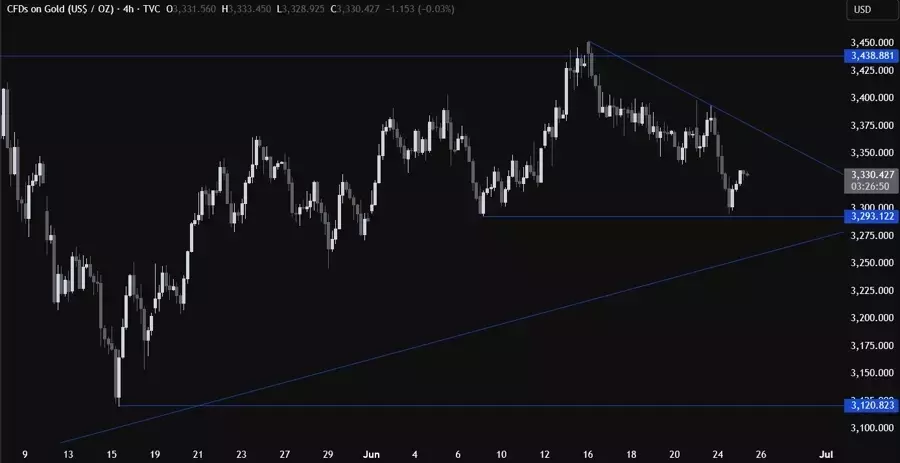
The recent abatement of the conflict between Israel and Iran triggered an immediate reduction in the geopolitical risk premium previously factored into gold prices. As a result, the demand for gold, which typically surges during periods of global instability, receded, leading to a noticeable decline in its market value. This movement highlights gold's sensitive reaction to international political developments, particularly those with the potential for widespread disruption.
Looking beyond the immediate impact of geopolitical events, the underlying bullish trend for gold is expected to persist. This optimistic forecast is predominantly driven by the anticipation of further easing measures from the Federal Reserve. Should the Fed proceed with interest rate cuts, real yields are likely to continue their downward trajectory, making non-yielding assets like gold more attractive to investors seeking stable returns and a hedge against inflation. Any hawkish surprises in interest rate expectations, however, could prompt temporary corrections in gold's ascent.
Market participants are now turning their attention to upcoming economic data releases, which will play a pivotal role in dictating gold's short-term price action. Key reports on the horizon include the latest figures on US Jobless Claims, the final reading of the US Q1 GDP report, and the highly anticipated US PCE price index. Additionally, the Final University of Michigan Consumer Sentiment report will offer insights into consumer confidence and spending patterns, all of which are critical for assessing the overall health of the economy and potential Federal Reserve actions. Should inflation data remain subdued or labor market conditions show further deterioration, the Federal Reserve might be inclined to implement earlier or more aggressive rate cuts than currently anticipated, potentially fueling gold's upward momentum.
In summary, while the recent de-escalation of Middle East tensions has led to a retracement in gold prices, the long-term fundamentals driven by the Federal Reserve's potential easing policies continue to support a favorable outlook for the precious metal. The interplay between geopolitical stability and macroeconomic indicators will define gold's market performance in the coming period.