Japanese Prime Minister Ishiba's Party Suffers Election Defeat, Raising Concerns Over Policy Stability
A significant political event unfolded in Japan over the weekend, as Prime Minister Ishiba's ruling party experienced a considerable setback in the upper house election, resulting in the loss of its parliamentary majority. This development has introduced a new layer of uncertainty into Japan's political and economic landscape, with immediate repercussions for currency markets.
Details of the Election Outcome and Its Ramifications
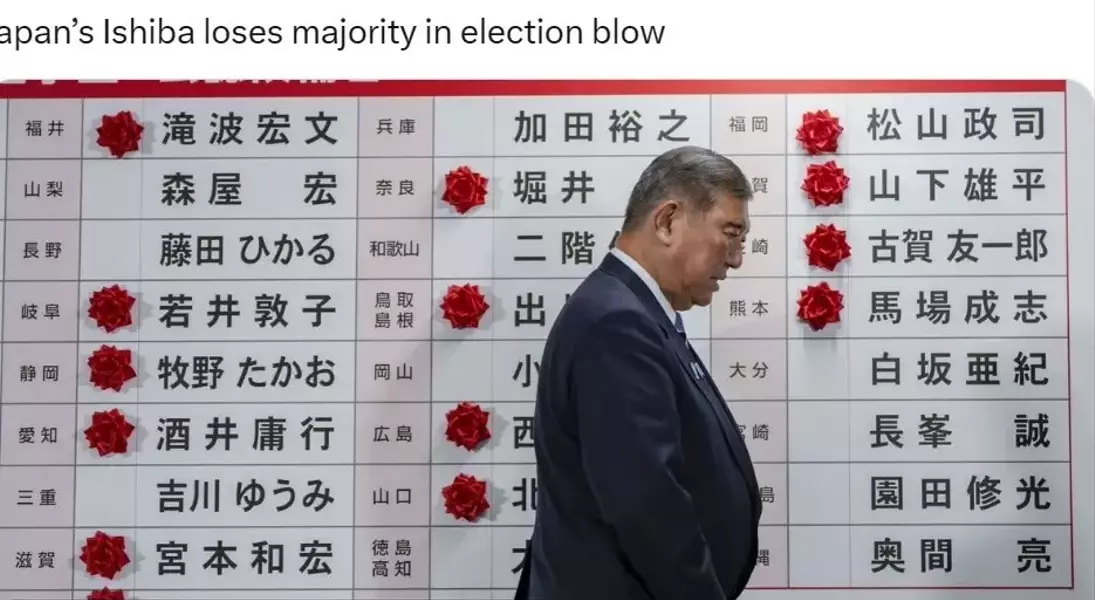
On the serene morning of Monday, July 21, 2025, news broke that Japanese Prime Minister Shigeru Ishiba's ruling coalition had lost its majority in both legislative chambers following a pivotal upper house election. This political upheaval initially caused the Japanese Yen to strengthen in early, low-liquidity trading hours, fueled by what appeared to be a flight to safety. However, this surge was fleeting, as the currency soon retreated from its gains, signaling a more nuanced market reaction as traders absorbed the full implications of the election results.
Despite the considerable electoral blow, Prime Minister Ishiba has publicly affirmed his intention to remain in his leadership role. His decision is reportedly driven by the pressing deadline of impending U.S. tariffs, which demand immediate and stable governmental attention. This resolve highlights the critical juncture at which Japan finds itself, balancing domestic political shifts with international economic pressures.
Financial analysts are closely monitoring the situation, expressing apprehension regarding potential policy paralysis. The absence of a clear majority could impede the government's ability to pass crucial legislation and implement economic reforms effectively. Furthermore, there are growing concerns about the possibility of a widening fiscal deficit as the nation navigates this period of political instability. Interestingly, many market observers believe that the financial markets have already largely factored in these potential challenges, suggesting that any immediate dramatic shifts might be limited.
In response to the current political climate, opposition parties have voiced their support for alternative economic strategies. They are advocating for a looser monetary policy, which typically aims to stimulate economic growth by making credit more accessible and affordable. Additionally, these parties are pushing for significant tax cuts, intending to boost consumer spending and investment. These proposed policy divergences set the stage for intense political debates and potential shifts in Japan's economic direction in the coming months.
The outcome of this election underscores the delicate balance of power in democratic governance and its profound impact on economic stability. As Japan grapples with this new political reality, the world watches on, assessing the potential ripple effects on global markets and international relations.
From a journalist's vantage point, this election result is a potent reminder of the inherent volatility in political landscapes and their immediate, often unpredictable, influence on financial markets. The initial knee-jerk reaction of the yen, followed by its swift correction, illustrates the dynamic and often speculative nature of currency trading, especially during times of political uncertainty. It also highlights how quickly market sentiment can pivot as more comprehensive information and analysis become available. The ongoing political developments in Japan, particularly the call for looser monetary policy and tax cuts from the opposition, will be crucial to observe. These proposed shifts could lead to significant changes in Japan's economic trajectory, potentially offering both opportunities and challenges for global investors and traders. This event reinforces the idea that political stability, or the lack thereof, is a fundamental factor that global financial participants must constantly monitor and integrate into their strategies.