New Tariffs Imminent: Commerce Secretary Lutnick Confirms August 1st Implementation Date
A significant development in global trade policy is on the horizon, as new tariffs are officially confirmed to take effect on August 1st. This move is spearheaded by the current administration, which is in the final stages of determining the specific rates and cementing the accompanying agreements. The announcement signals a critical juncture for international commerce, potentially reshaping trade relationships and economic landscapes worldwide.
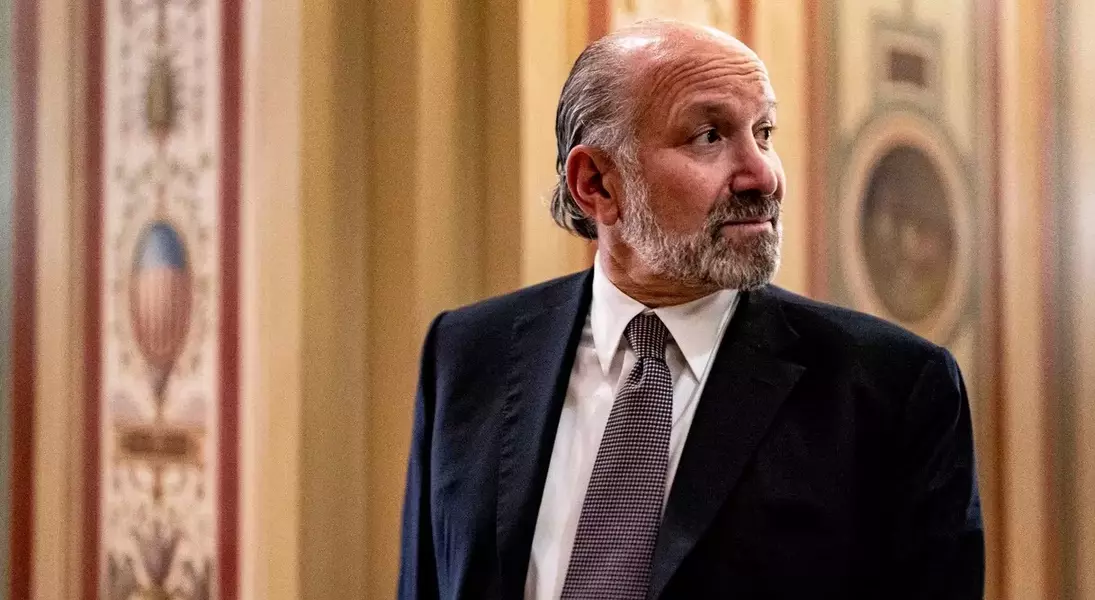
Crucial Trade Policy Shifts Announced by Commerce Secretary Howard Lutnick
In a recent and decisive declaration, Commerce Secretary Howard Lutnick, a key figure in the current United States administration, confirmed that a new wave of tariffs will be implemented starting on August 1st. Speaking on this pivotal policy shift, Secretary Lutnick underscored that President Trump is actively engaged in the meticulous process of finalizing the exact tariff percentages and related trade pacts. This announcement was made on a tranquil Sunday, July 6th, 2025, from Washington D.C., and reverberated globally.
Previously, in the spring of April, President Trump had outlined an initial tariff baseline of 10%, with certain sectors potentially facing duties soaring to an impactful 50%. While the majority of these increases were initially poised for activation by July 9th, Secretary Lutnick's recent update indicates a strategic extension of approximately three weeks, pushing the effective date to August 1st. This extension provides a brief window for countries to recalibrate their strategies, as the administration prepares to dispatch between 12 to 15 additional warning letters on Monday, advising various nations of forthcoming elevated tariff rates. This series of communications follows earlier pronouncements where President Trump noted that a few trade agreements had already been successfully concluded, hinting at both the stick and carrot approach of the current trade agenda.
From a journalistic perspective, this announcement by Commerce Secretary Lutnick holds immense weight, signaling an unwavering commitment to the administration's assertive trade agenda. The impending tariffs on August 1st, coupled with the ongoing finalization of rates and agreements, suggest a determined effort to reshape global trade dynamics. As a reader, one might ponder the far-reaching implications of these measures, not only on international relations and specific national economies but also on the daily lives of consumers and businesses. The extension granted, while seemingly minor, could offer a crucial period for dialogue and adjustment, or it could simply be a prelude to a more decisive implementation of protectionist policies. The coming weeks will undoubtedly be watched closely by trade analysts, economists, and political observers alike, as the specifics of these tariffs begin to materialize, offering clearer insights into their potential ripple effects across the world economy.