New Zealand's Inflation Model Shows Decline, Hinting at Further Rate Cuts
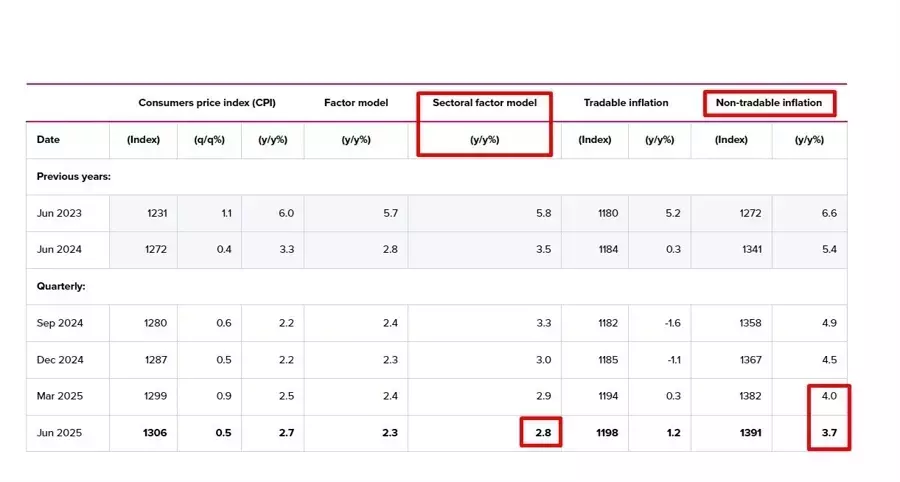
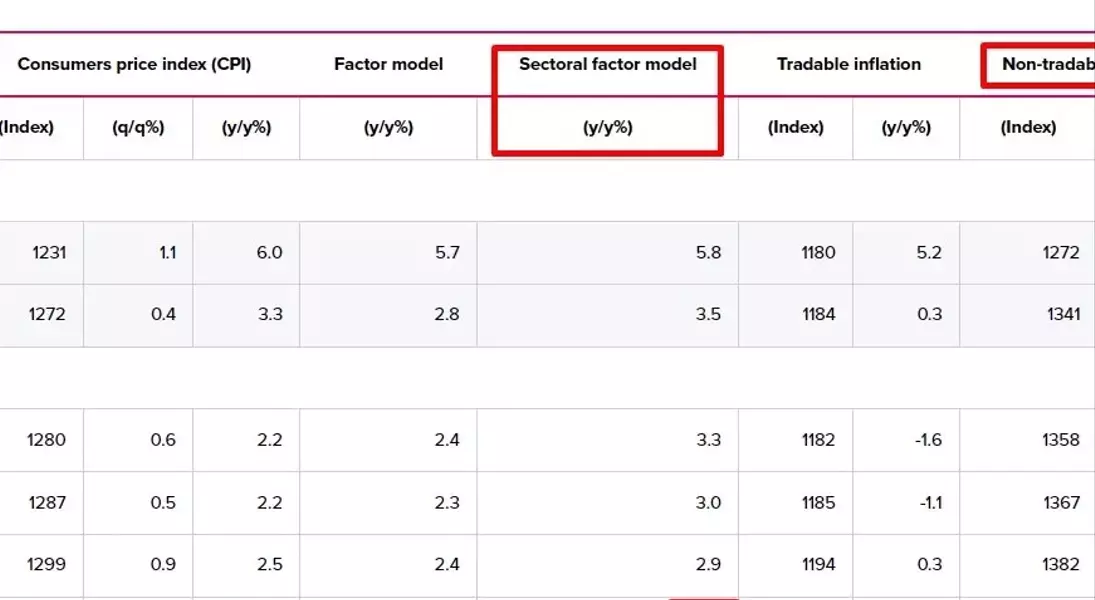
The Reserve Bank of New Zealand's internal inflation gauge, the Sectoral Factor Model, has registered a notable decrease in the annual inflation rate, signaling a potential shift in monetary policy. This internal measure, preferred by the central bank for its comprehensive insights, now stands at 2.8% year-over-year, marking a slight but significant reduction from its previous reading of 2.9%. This development closely follows the release of official consumer price index (CPI) figures, which also pointed towards a moderation in price pressures across the New Zealand economy. The cumulative evidence from these key economic indicators is strengthening market beliefs that the central bank might opt for further interest rate adjustments, specifically advocating for additional cuts to stimulate economic activity. The declining trend in inflation, particularly within the tradeable sector, is being closely monitored as a critical determinant in the Reserve Bank's upcoming policy decisions.
New Zealand's Inflation Metrics Point Towards Easing Price Pressures
In a significant economic announcement on a recent morning, the Reserve Bank of New Zealand unveiled its latest inflation projections via its proprietary Sectoral Factor Model. This sophisticated internal tool, which the RBNZ favors for its comprehensive analytical capabilities, revealed that the annual inflation rate has gently receded to 2.8%. This figure represents a slight downtick from the preceding 2.9% and provides a fresh perspective on the nation's economic landscape. This internal assessment arrived on the heels of the official second-quarter Consumer Price Index (CPI) report for New Zealand, which, when released earlier in the day, indicated a quarterly increase of 0.5% against an expected 0.6%, and an annual rise of 2.7% compared to the anticipated 2.8%. Both sets of data collectively painted a picture of moderating inflationary pressures, thereby bolstering the widespread anticipation for future policy actions from the RBNZ. Notably, the observed decline in tradeable inflation, a component that reflects price movements in goods and services subject to international competition, further contributed to the dovish outlook. This combined evidence is now widely perceived as a strong signal for the central bank to consider implementing additional interest rate reductions, which would aim to inject further stimulus into the New Zealand economy and potentially impact the New Zealand Dollar (NZD) in the global currency markets.
From an analytical standpoint, the consistent decline in New Zealand's inflation figures, as evidenced by both the official CPI and the RBNZ's own sophisticated model, presents a compelling narrative for investors and policymakers alike. This trend suggests that previous monetary tightening measures are effectively working their way through the economy, successfully reining in price increases. For a market observer, this could imply that the New Zealand Dollar might experience continued downward pressure as the prospect of further rate cuts makes the currency less attractive to carry traders. Conversely, domestic businesses and consumers might welcome such a development, as lower interest rates could translate to reduced borrowing costs and stimulate spending, potentially fostering a more vibrant economic environment. The Reserve Bank of New Zealand's commitment to its preferred inflation measure underscores a data-driven approach, providing transparency and predictability in an otherwise volatile global economic climate. As such, all eyes will remain fixed on the RBNZ's future pronouncements, keenly anticipating how they will navigate the delicate balance between managing inflation and supporting sustainable economic growth.