PBOC Sets Yuan Reference Rate, Signals Monetary Policy Adjustments
The People's Bank of China (PBOC) has taken decisive steps in managing its currency and ensuring liquidity in the financial markets. The central bank's latest setting for the yuan's reference rate against the US dollar, alongside significant injections of capital into the banking system, highlights its commitment to a stable yet adaptable monetary policy. These actions are crucial for navigating global economic complexities and supporting domestic growth.
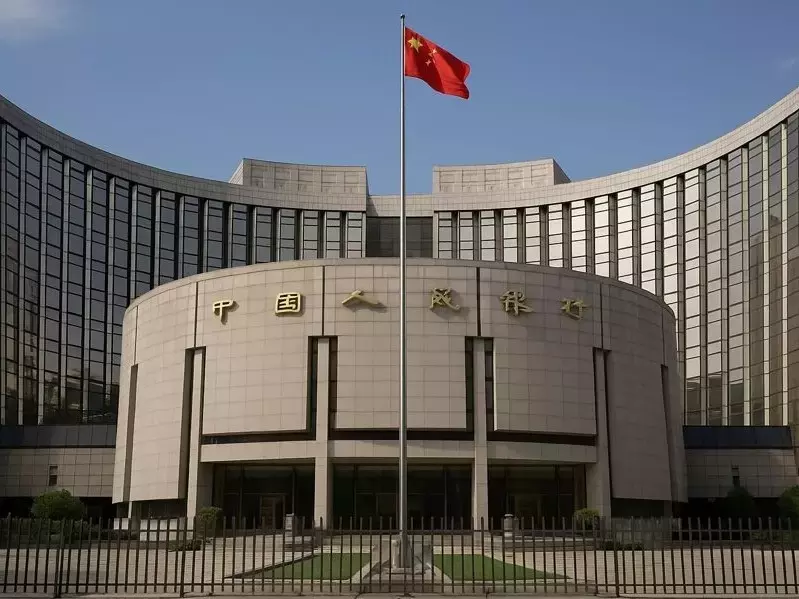
The PBOC's role extends beyond merely setting exchange rates; it actively influences market conditions through various instruments, ensuring the smooth functioning of the economy. The recent operations demonstrate a sophisticated approach to maintaining equilibrium, balancing the need for currency stability with the imperative of adequate market liquidity.
Understanding the Yuan's Reference Rate
The People's Bank of China has established the daily midpoint for the yuan (or renminbi) against the US dollar at 7.1511. This figure is notably distinct from the market's anticipated level of 7.1891, signaling the central bank's deliberate intervention in the currency's valuation. China operates under a managed floating exchange rate regime, which permits the yuan's value to fluctuate within a specific range, typically plus or minus 2%, around this predetermined central rate. This system provides both flexibility and control, allowing the currency to respond to market forces while mitigating excessive volatility. The previous day's closing rate for the USD/CNY pair was 7.1787, offering a context for the current setting and indicating a slight appreciation of the yuan based on the PBOC's revised midpoint.
The setting of the reference rate is a critical component of China's economic management, reflecting the central bank's assessment of economic fundamentals and its policy objectives. By guiding the yuan's value, the PBOC aims to stabilize trade, control inflation, and maintain financial market equilibrium. The deviation from market expectations for the reference rate suggests a strategic decision to either support exports by keeping the yuan slightly weaker or to curb imported inflation by allowing a modest strengthening. This careful calibration is essential for a large, export-oriented economy like China, as currency fluctuations can significantly impact its competitive position and domestic price levels. The managed float system allows the PBOC to use the exchange rate as a tool to absorb external shocks and promote internal stability, distinguishing it from purely free-floating currency regimes.
PBOC's Liquidity Management Operations
In a parallel move to its currency management, the People's Bank of China has actively bolstered market liquidity by injecting a substantial amount of capital through reverse repurchase agreements. Specifically, the central bank injected 449.2 billion yuan via 7-day reverse repos at an interest rate of 1.40%. Considering that 214.8 billion yuan matured on the same day, the net effect of these operations was an injection of 234.4 billion yuan into the financial system. This net injection underscores the PBOC's proactive stance in ensuring ample liquidity, which is crucial for supporting economic activity, facilitating lending, and maintaining stability in the interbank market. Such liquidity management is a routine yet vital aspect of modern central banking, aimed at influencing short-term interest rates and overall credit conditions.
The large-scale liquidity injection serves multiple purposes within the broader framework of monetary policy. Firstly, it counteracts any potential tightening in market liquidity that might arise from factors such as tax payments, government bond issuance, or capital outflows. By providing sufficient funds, the PBOC prevents interest rates from spiking, thereby reducing borrowing costs for businesses and consumers. Secondly, it signals the central bank's commitment to supporting economic growth, especially in times of uncertainty or slower economic momentum. The choice of 7-day reverse repos suggests a preference for short-term liquidity provision, allowing the PBOC flexibility to adjust its stance based on evolving market conditions. This strategic use of open market operations is a testament to the PBOC's adaptive monetary policy, designed to foster a stable and supportive financial environment for China's vast economy.