Asia's Economic Calendar for July 28, 2025: A Quiet Day Ahead for Data Releases
The Asian economic landscape on Monday, July 28, 2025, presents a notably subdued data release schedule, with no major economic indicators set to be unveiled. While certain financial calendars may allude to Chinese Industrial Profit data, it is imperative to note that these figures have already been disclosed, thus offering no new insights for market participants. The day's attention pivots instead to a series of significant geopolitical and economic discussions that transpired over the weekend, setting the tone for the trading week ahead.
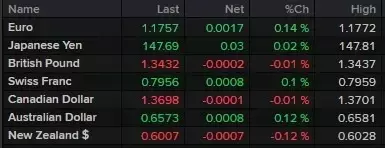
These developments include a landmark framework trade deal struck between the United States and the European Union, which encompasses a 15% tariff rate and Europe's strategic commitment to procure energy resources from the US. Concurrently, high-stakes negotiations between the US and China are slated to take place in Stockholm, with expectations pointing towards a crucial 90-day extension in their ongoing trade dialogue. These diplomatic and trade-related events are poised to exert a more profound influence on market dynamics than any forthcoming economic data, particularly as market liquidity in early Monday trading remains notably thin across Asian centers, contributing to increased volatility in exchange rates.
Anticipating a Tranquil Data Landscape
The economic forecast for Asia on Monday, July 28, 2025, suggests a remarkably quiet period for new statistical disclosures. The day's calendar is effectively blank, meaning there are no significant economic reports or indicators scheduled for release that could typically sway market sentiment or prompt shifts in trading strategies. This absence of fresh data could lead to a focus on existing market conditions and previously released information, allowing traders and investors to consolidate their positions or respond to broader macroeconomic themes without the immediate pressure of impending figures. The lack of specific local data points puts an emphasis on the macro-narrative, shaping investment decisions based on overarching global trends rather than regional specifics.
Despite the apparent calm in data releases, vigilance remains crucial as some financial tracking systems might still reference Chinese Industrial Profit data. However, it is essential for market participants to recognize that these particular figures have already entered the public domain, rendering their re-mention merely a procedural formality rather than a fresh economic revelation. Consequently, any previous market reactions or adjustments stemming from these Chinese industrial profits would have already occurred. This situation underscores the importance of consulting up-to-date and verified sources for economic calendars to avoid acting on outdated information, reinforcing the notion that on this particular Monday, the focus will inherently shift away from new economic metrics towards geopolitical and other macro-level influences.
Global Developments Shaping Market Mood
In the absence of fresh economic data from Asia, global events and diplomatic maneuvers are poised to dominate market sentiment. A pivotal development is the recently forged framework trade agreement between the United States and the European Union. This accord is not merely symbolic; it includes substantive elements such as a 15% tariff rate on certain goods and a significant commitment from Europe to purchase energy supplies from the U.S. These details suggest a strategic realignment in transatlantic economic relations, potentially influencing trade flows, energy markets, and the broader geopolitical landscape, with ripple effects extending into Asian trading hours. The implications of this deal could translate into shifts in currency valuations, particularly for the Euro, and could prompt a reallocation of investment capital as market participants digest its long-term ramifications.
Adding another layer of complexity to the global economic narrative are the anticipated high-level discussions between the United States and China in Stockholm. The widespread expectation of a 90-day extension in their ongoing trade negotiations signals a desire from both sides to de-escalate tensions and provide more time for a comprehensive resolution. Such an extension could inject a measure of stability into global trade, temporarily alleviating concerns over immediate tariff escalations and their potential impact on global supply chains. However, early Monday trading conditions across Asian financial hubs are characterized by exceptionally thin market liquidity. This condition heightens the potential for exaggerated price swings and volatility in foreign exchange markets, urging traders to exercise caution as major centers gradually come online. The combined influence of these significant geopolitical and trade dialogues, coupled with precarious market liquidity, ensures that the trading day will be far from uneventful, despite the empty domestic data calendar.