RBA Opts for Prudent Stance on Monetary Policy Easing
Navigating Economic Headwinds: RBA's Deliberate Approach to Policy Adjustments
RBA's Communication Strategy and Market Interpretation
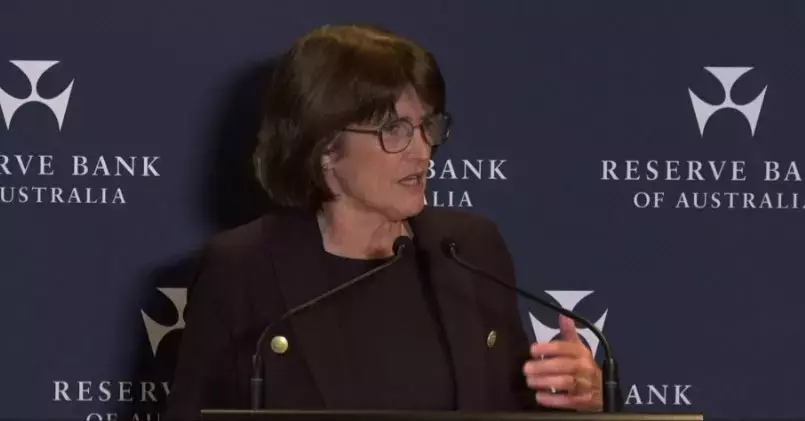
The Reserve Bank of Australia's recent communications have aimed for clarity, despite varying interpretations of economic indicators within the market. Governor Michele Bullock highlighted that the RBA's assessment of inflation data has, at times, diverged from general market sentiment, underscoring the complexities involved in economic forecasting and policy formulation. This divergence suggests the central bank's reliance on a nuanced analysis that may not always align with immediate market reactions.
The Significance of Data and Forthcoming Developments
Looking ahead, the RBA anticipates that additional economic data and evolving global conditions will provide further clarity for future policy decisions. The central bank acknowledges the inherent volatility of monthly inflation statistics, reinforcing its preference for more comprehensive quarterly reports. This methodical approach ensures that policy adjustments are informed by a robust and holistic understanding of inflationary pressures, rather than being swayed by short-term fluctuations.
Inflationary Outlook and Policy Confirmation
A key focus for the RBA remains confirming that the economy is progressing along the desired path towards stable inflation. The upcoming quarterly Consumer Price Index (CPI) report, scheduled for release on July 30th, is particularly critical. This report is expected to offer a more thorough insight into the inflationary landscape and will significantly influence the RBA's assessment of whether a policy pivot, such as an interest rate reduction, would be appropriate.
Internal Deliberations and Policy Alignment
Discussions among RBA policymakers have been robust and engaging, reflecting a shared commitment to sound economic management. While there may be slight differences in opinion, particularly concerning the potential impact of international economic concerns, these variations are primarily focused on the timing of policy actions rather than the fundamental direction of monetary policy. This indicates a strong consensus within the RBA on the overarching strategy, with debates centering on the optimal moment for intervention.
Market Reaction and Future Implications for Rate Decisions
The RBA's current cautious stance suggests a preference for prudence over hasty action, implying that any decision on easing monetary policy will be made with careful consideration. The market is keenly observing developments, with particular attention to how the forthcoming quarterly CPI figures will shape expectations for a potential interest rate cut in August. The Reserve Bank of Australia's measured approach underscores its commitment to fostering long-term economic stability, even as it navigates the immediate pressures of inflation and global economic shifts. This deliberate strategy reflects a dedication to evidence-based policymaking, aiming to ensure that any adjustments contribute positively to the nation's economic resilience.