Trump's Strategic Arms Initiative: Bolstering Ukraine via NATO Allies
A significant strategic shift appears to be underway in international arms diplomacy, with former U.S. President Donald Trump reportedly devising a sophisticated plan to channel military aid to Ukraine. This innovative approach involves the direct sale of both offensive and defensive armaments to several key NATO member states, with the explicit understanding that these nations will then transfer the acquired equipment to Ukraine. This development signals a notable evolution in Trump's foreign policy outlook, particularly concerning his engagement with the ongoing conflict in Eastern Europe.
Details of a Pivotal Arms Transfer Strategy Emerge
According to recent reports from Axios, a high-level strategic initiative is being spearheaded by former U.S. President Donald Trump. The core of this plan involves the sale of a substantial array of advanced offensive and defensive weaponry to various allied nations within the North Atlantic Treaty Organization. Crucially, a precondition of these sales is that the recipient NATO countries will subsequently redirect this military hardware to Ukraine, thereby bolstering Kyiv's defense capabilities against ongoing aggression.
This groundbreaking proposal was reportedly a central topic of discussion during the NATO Summit held in May. Key international figures, including Ukrainian President Volodymyr Zelenskyy, French President Emmanuel Macron, and U.K. Prime Minister Keir Starmer, along with other prominent European leaders, were engaged in conversations regarding the implementation of this arms transfer mechanism. The discussions underscore a concerted effort among Western powers to provide critical support to Ukraine through indirect yet effective means.
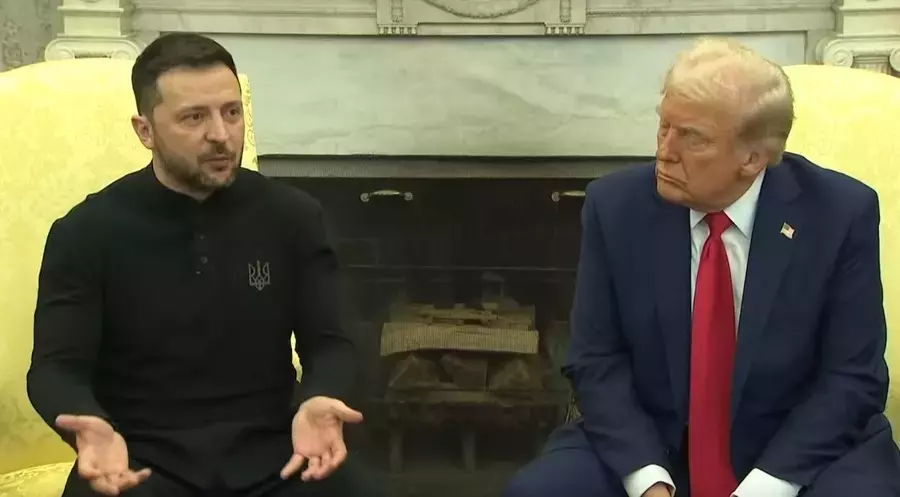
This strategic move is particularly noteworthy given former President Trump's previously expressed sentiments. His past interactions with President Zelenskyy have, at times, been characterized by tension, notably during a highly publicized incident in the Oval Office. The current initiative, however, suggests a profound reevaluation of his approach to the conflict, seemingly driven by an escalating sense of frustration and disillusionment with Russian President Vladimir Putin's actions. This evolving perspective marks a significant departure from earlier positions and highlights a growing resolve to counteract Russian influence in the region.
From a journalistic perspective, this emerging strategy represents a fascinating pivot in international relations. The intricate dance of direct sales to allies followed by re-transfer to Ukraine illustrates a creative, albeit complex, solution to providing essential military support while navigating delicate geopolitical considerations. It prompts observers to consider the long-term implications of such indirect aid, not only for Ukraine's defense but also for the broader dynamics within NATO and the shifting power balance in Eastern Europe. This development certainly casts a new light on the evolving geopolitical landscape and the multifaceted approaches taken by global leaders to address protracted conflicts.