The Unforeseen Investment: Collectibles Soar in Value
In an unexpected turn for the investment world, items traditionally relegated to hobbies are now capturing the attention of serious investors, experiencing unprecedented surges in value. This phenomenon challenges conventional notions of asset classes, as everything from vintage trading cards to designer figurines commands staggering prices. What was once seen as mere nostalgic pursuit or recreational activity has transformed into a vibrant and potentially highly profitable market. The burgeoning interest is fueled by a complex interplay of factors, including the allure of scarcity, the emotional connection to cultural artifacts, and a growing global community of enthusiasts eager to acquire these distinctive pieces. This burgeoning sector not only offers substantial returns but also redefines the very essence of what can be considered a worthy investment in the 21st century.

Collectibles: A New Investment Frontier
The burgeoning market for collectibles presents a fascinating counter-narrative to conventional investment wisdom, proving that significant returns can stem from unexpected sources. Items like Pokémon cards, Labubu figures, vintage sports trading cards, and Bearbrick toys are no longer just childhood mementos or niche hobby items; they are now considered tangible assets appreciating at rates comparable to, or even exceeding, traditional investments. This shift is particularly remarkable given that such items were historically viewed as having little to no financial gravitas. The market's current dynamism is a testament to the powerful combination of nostalgia, generational wealth, and the inherent human desire for unique and scarce possessions, turning what was once a simple passion into a serious financial endeavor.
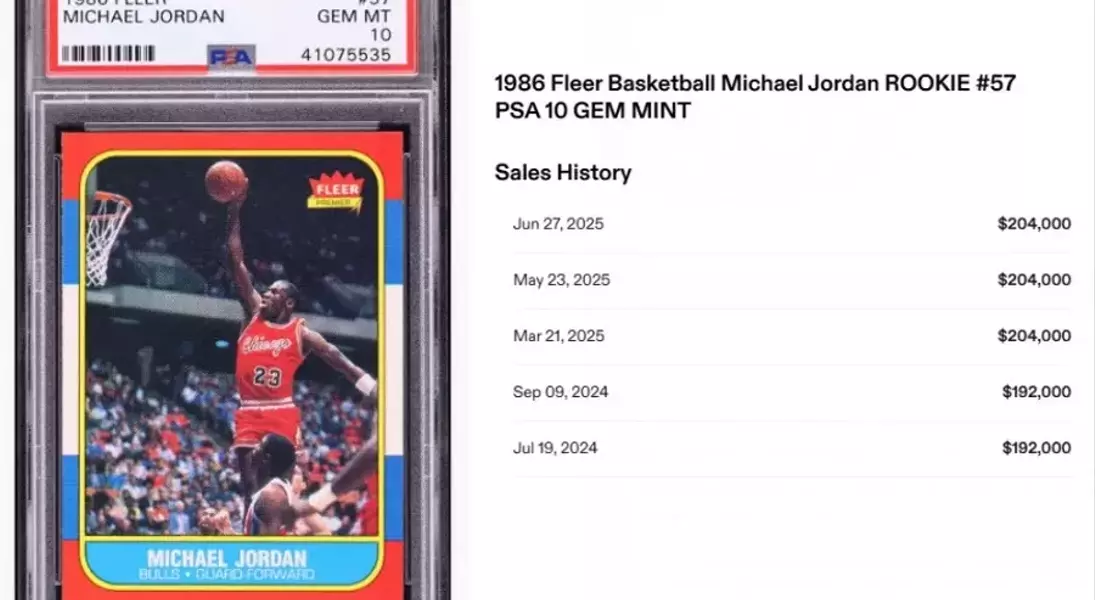
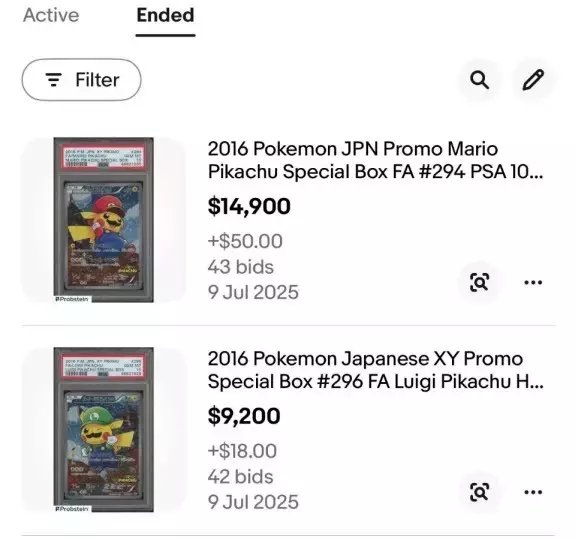
The current surge in the collectibles market is characterized by extraordinary price inflation and a rapid succession of record-breaking sales, a trend that has persisted for several months. While the underlying reasons for this accelerated interest remain elusive even to seasoned collectors, the pattern echoes previous periods of intensified engagement, such as the boom observed during the Covid-19 pandemic. This enduring interest, transcending various demographics and nationalities, underscores the significant capital now flowing into these assets. For instance, highly sought-after trading cards and even certain Pokémon cards are regularly fetching six-figure sums, while specific Labubu figures have recently sold for hundreds of thousands of dollars at auction. The widespread appeal of these items, from iconic sports figures like Michael Jordan to beloved animated characters, highlights a profound cultural and financial re-evaluation of their inherent worth.
Navigating the Collectibles Market: Fad or Future?
As the collectibles market continues its meteoric rise, a crucial question arises: Is this merely a passing fad, akin to historical collectible booms like Cabbage Patch Kids or Beanie Babies, or does it signal the dawn of a new, legitimate investment genre? While the rapid gains, often ranging from 50% to 400% during market upswings, are undeniably attractive, discerning investors must approach this sector with caution. The sustainability of these values is contingent upon a delicate balance of demand, scarcity, desirability, historical significance, and aesthetic appeal. Unlike the more established and regulated financial markets, the collectibles arena can be highly speculative, with prices subject to rapid fluctuations based on transient trends and collector sentiment. Therefore, a thorough understanding of the specific sub-markets and the intrinsic value drivers of individual items is paramount for anyone considering significant capital allocation.
For those contemplating an entry into this evolving investment landscape, extensive research and informed decision-making are as crucial as in any other asset class. While the prospect of substantial gains is enticing, the market’s inherent volatility and susceptibility to speculative bubbles necessitate a strategic approach. Veterans of the collecting world emphasize that genuine passion for the items themselves should ideally precede any investment motive, aligning with the timeless mantra: 'Always only collect what you love.' This philosophy serves as a safeguard against potential losses, ensuring that even if the financial returns do not materialize as hoped, the collector is still left with cherished possessions. While the collectibles market may not yet possess the sophistication or established liquidity of traditional financial instruments, its undeniable appeal and potential for diversification are drawing increasing attention, marking it as a intriguing, albeit unconventional, frontier for future investment exploration.