US Dollar Retreats as Cable Recovers Ground
The global currency markets witnessed a significant shift today as the US dollar ceded ground, allowing the British Pound to stage a remarkable recovery. This development signals a continuation of a persistent trend observed throughout the year: a notable weakening of the US dollar. Despite occasional positive economic indicators that might otherwise bolster the dollar, market participants appear eager to offload the currency, suggesting deeper, structural reconfigurations within the global financial landscape. This ongoing movement highlights a subtle yet impactful rebalancing of power among major world currencies.
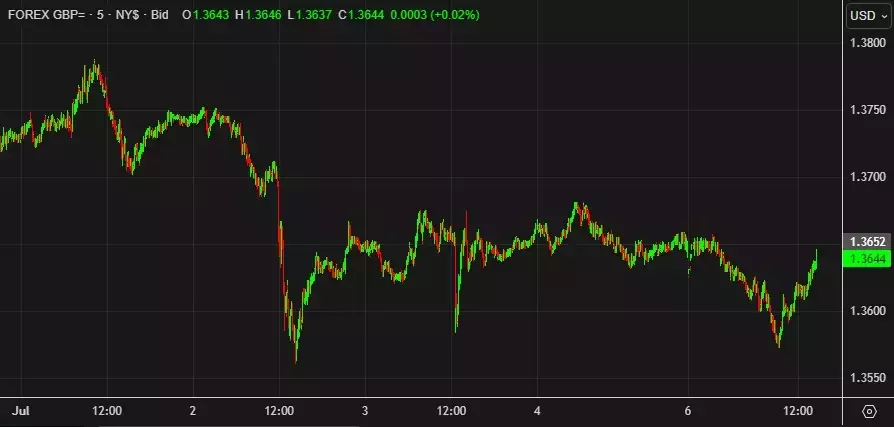
In a dynamic trading session, the British Pound (GBP/USD) managed to recoup over 60 pips from its daily lows, concluding the day merely 9 pips down. This impressive rebound was primarily fueled by a broad-based retreat of the US dollar during recent trading hours, effectively reversing earlier gains the dollar had made against most major currencies, with the Japanese Yen being a notable exception. The price action in the GBP/USD pair serves as a compelling illustration of several concurrent market trends.
A critical observation from recent market behavior is the consistent intervention of sellers whenever the US dollar shows signs of strengthening. Over the past week, there have been three distinct instances where attempts to depress the 'cable' (GBP/USD) were swiftly met by buyers, propelling the pair higher. This pattern was evident even during significant events, such as the dip following the non-farm payrolls announcement on Thursday, which typically would favor a stronger dollar. This highlights a market predisposition towards dollar weakness, irrespective of short-term fundamental catalysts.
The underlying sentiment suggests a widespread, continuous reallocation of assets away from the US dollar. While the precise drivers for this sustained shift are not entirely transparent, especially in an environment where US technology stocks are achieving record highs, the market's response remains consistent and impactful. The ongoing tariff-related discussions might contribute to this sentiment, yet the broad and steady nature of the dollar's decline implies deeper, perhaps structural, changes in global financial flows and investor preferences. Today's trading reaffirmed this pervasive trend, underscoring the market's inclination to reduce exposure to the greenback.
The recent market movements, particularly the recovery of the British Pound against a weakening US dollar, underscore a significant and sustained shift in global currency dynamics. This consistent preference for selling the dollar, even in the face of ostensibly positive economic data, indicates a deeper structural adjustment in the international financial system.