Global Shift Towards Regulated Digital Currencies in 2025
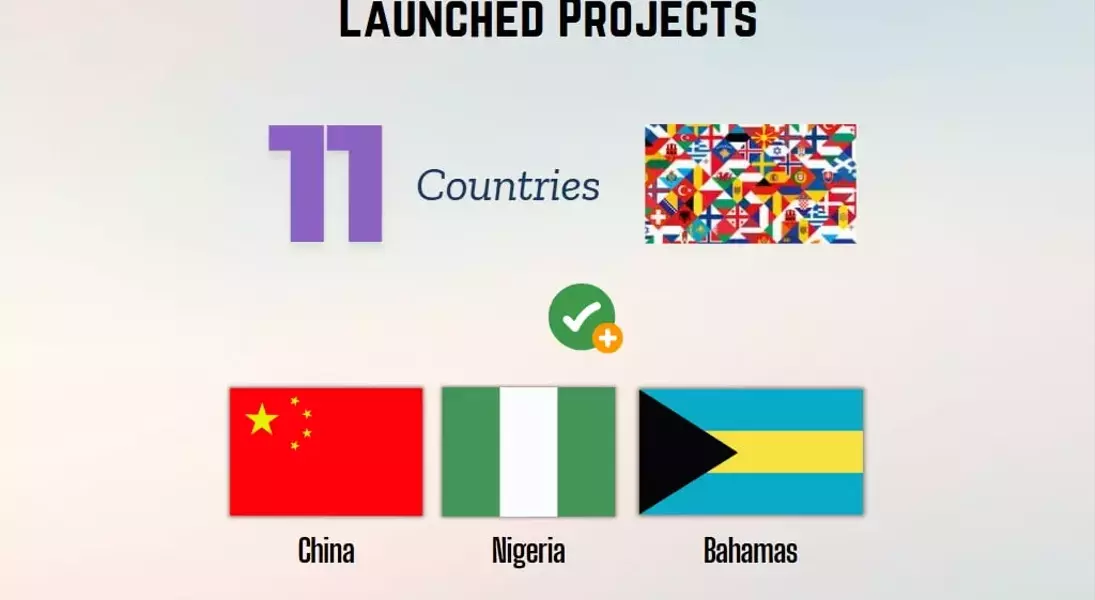
In the rapidly evolving landscape of digital finance, Central Bank Digital Currencies (CBDCs) have emerged as a transformative force reshaping monetary systems worldwide. By 2025, an impressive 134 countries, representing nearly all global GDP, are actively engaged in exploring or developing CBDCs. This widespread adoption marks a significant shift from experimental phases to practical implementation, with 11 nations having fully launched their digital currencies. The Bahamas, Nigeria, and China lead this charge, demonstrating how CBDCs can enhance everyday transactions while addressing critical issues such as financial inclusion, security, and efficiency.


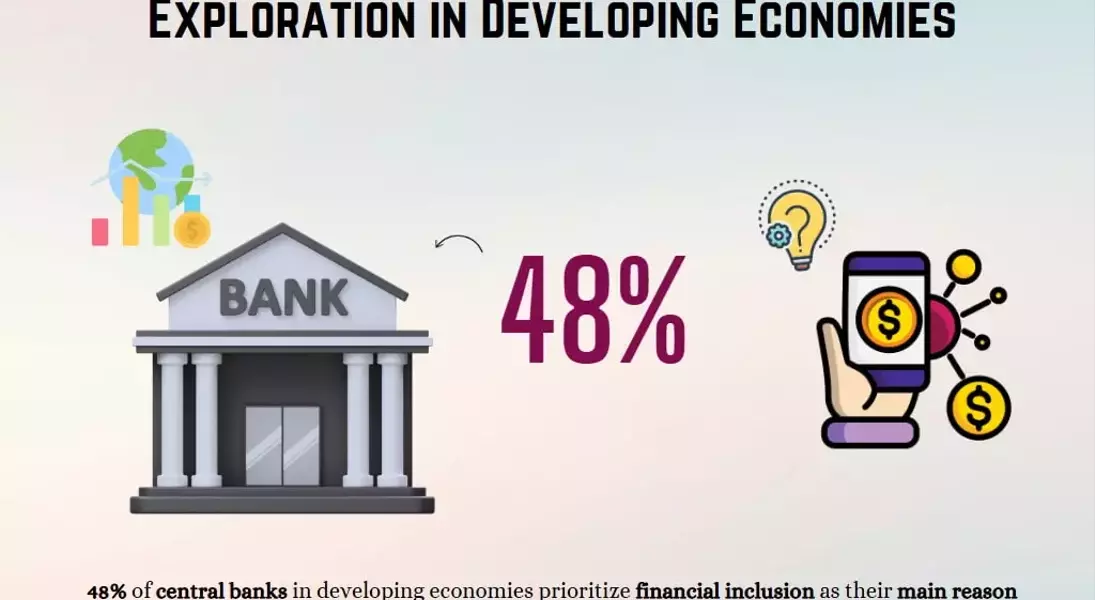

The year 2025 has seen remarkable progress in the development and regulation of CBDCs. Countries across the globe are recognizing the potential of these digital currencies to revolutionize payment systems. Retail CBDC pilots are underway in 36 nations, with a notable focus on cross-border functionality in 12 of them. Financial inclusion stands out as a primary motivation for central banks, cited by 62% of institutions globally. Furthermore, privacy and data protection frameworks specific to CBDCs have been implemented in 75% of jurisdictions, ensuring user confidence. The global value of CBDC transactions is projected to reach $213 billion by year-end, reflecting substantial growth compared to previous years.
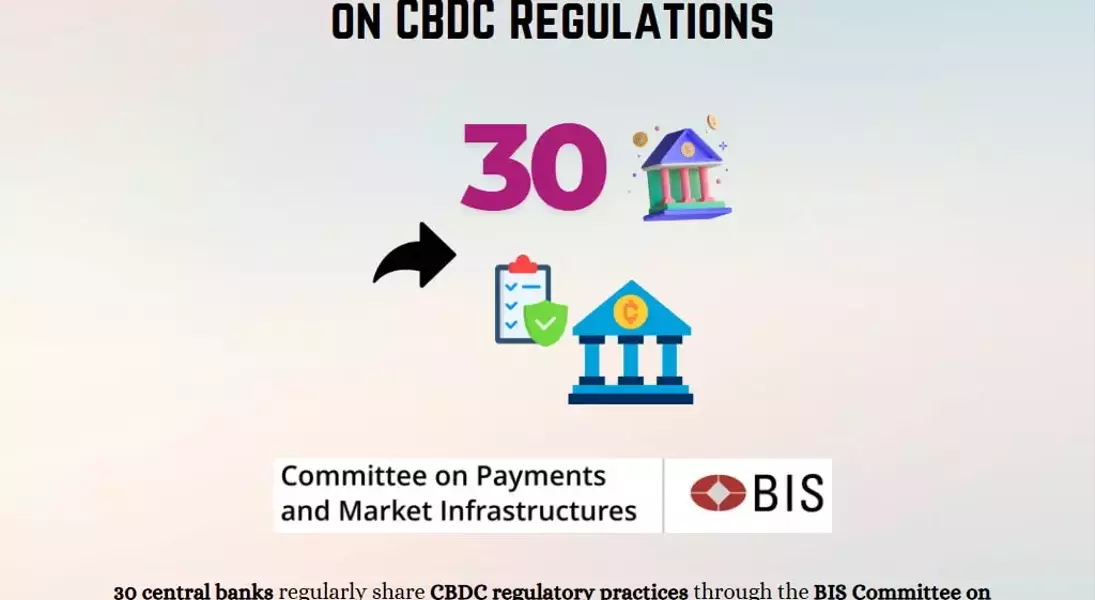
As CBDCs transition from theoretical concepts into tangible realities, regulatory measures become increasingly vital. These regulations aim to balance innovation with stability, fostering secure, inclusive, and efficient monetary systems. For instance, comprehensive CBDC regulatory legislation has been passed in 28 countries, including economic powerhouses like Japan, Sweden, and Brazil. Anti-Money Laundering (AML) and Know Your Customer (KYC) regulations have been integrated into frameworks by 62% of pilot countries, reinforcing transactional integrity. Additionally, international organizations like the International Monetary Fund (IMF) estimate that 48 countries align their CBDC frameworks with FATF guidelines, promoting global standards compliance.
Beyond basic transactions, CBDC use cases continue expanding in 2025. Domestically, 62 countries are piloting CBDCs for retail payments, while 27 explore cross-border applications through projects like mBridge involving multiple regions. Governments in developing nations utilize CBDCs extensively for social welfare disbursements, enhancing inclusivity. Notably, transaction costs have decreased by an average of 15%, underscoring CBDC efficiency improvements over traditional systems. Cross-border trade settlements facilitated by CBDCs amounted to $42 billion in 2025, indicating growing acceptance across borders.
Distinguishing CBDCs from cryptocurrencies remains crucial despite similarities in digital nature. Unlike decentralized cryptocurrencies, CBDCs serve as legal tender in 11 countries, emphasizing centralization under governmental authority. Trust levels among European and North American citizens favor CBDCs over private cryptocurrencies for daily transactions. Regulatory frameworks established by 75% of CBDC-issuing countries prevent illicit activities more effectively than cryptocurrency counterparts. Moreover, CBDCs offer real-time settlement capabilities without scalability or latency concerns prevalent in most cryptocurrency networks.
By integrating robust privacy protections aligned with GDPR standards and implementing tiered identity verification systems, countries ensure secure CBDC operations. Legal status definitions clarify CBDC roles within existing financial infrastructures, supported by dispute resolution mechanisms and consumer rights enforcement. Cross-border collaborations strengthen interoperability efforts, reducing transaction costs and settlement times significantly. Public-private partnerships drive technological advancements, offering incentives for private firms' participation in CBDC-compatible solution developments.
Looking ahead, the future of CBDCs appears promising as regulatory landscapes continue maturing. With ongoing advancements in technology, increased collaboration between nations, and refined privacy laws, CBDCs promise enhanced financial inclusion, reduced transaction expenses, and strengthened global payment infrastructures. As they further integrate into traditional finance systems, individuals and economies alike stand poised to benefit greatly from these innovative digital currencies, empowering modern societies in unprecedented ways.