China's Stealthy Move: Tightening Grip on Rare Earths for 2025
In a significant shift, China has quietly unveiled its initial rare earth mining and smelting quotas for the year 2025. This departure from conventional public disclosures indicates Beijing's deliberate efforts to assert more stringent control over the critically important rare earth industry. This strategic resource is indispensable for a range of advanced technologies, including electric vehicles (EVs), wind turbines, and defense systems. The subdued release of these quotas, coupled with instructions for state-owned enterprises to maintain confidentiality, highlights China's increasingly guarded stance amidst escalating global trade frictions.
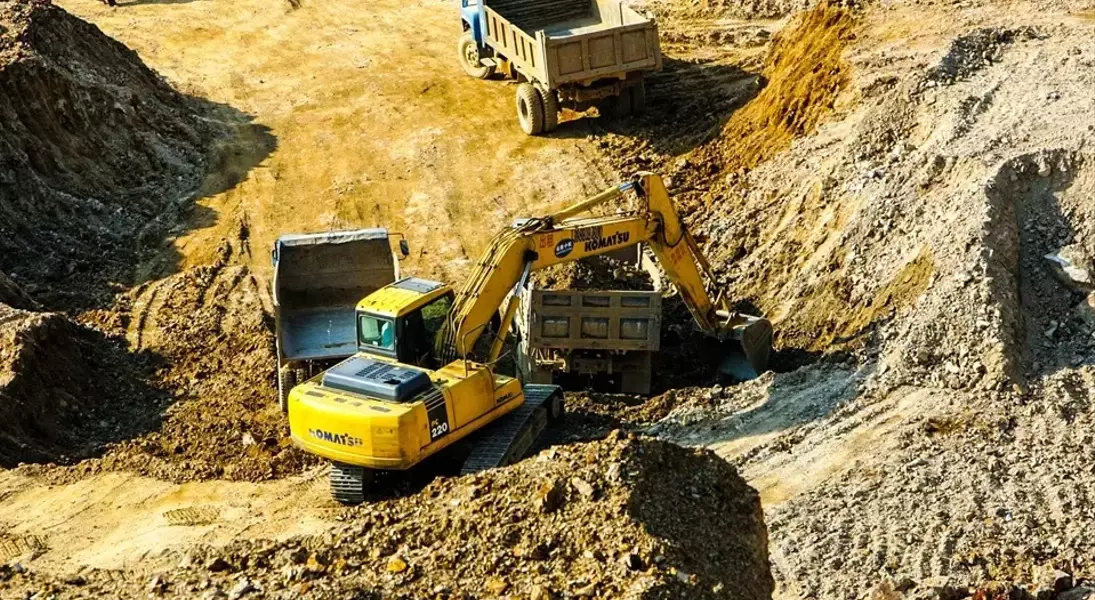
Historically, China, a dominant force in the global rare earth market, has utilized its quota system as a primary instrument for regulating the worldwide supply of these 17 essential minerals. However, the 2025 quotas were notably delayed and communicated privately to state-owned entities last month. These firms were reportedly directed to safeguard the information's secrecy due to national security concerns, underscoring the heightened sensitivity surrounding this sector. This change in practice reflects a more cautious and controlled approach by China, particularly as it navigates complex international trade relations.
This latest development follows a period of escalating assertiveness from Beijing regarding its rare earth resources. The country has increasingly leveraged its command over the supply chain during trade disputes, notably with the United States and the European Union. In a notable response to U.S. tariff increases, China recently incorporated rare earth elements and associated magnets into its export restriction list. This measure has already demonstrated its capacity to disrupt global supply networks, compelling some international automotive manufacturers to curtail their production.
Previously, China's Ministry of Industry and Information Technology consistently made rare earth quotas public at the beginning of each year. However, the absence of such a public announcement for the 2025 quotas, coupled with their delayed issuance and confidential nature, marks a distinct policy evolution. The mining quotas in 2023 saw only a modest increase of 5.9%, a sharp decline from the growth observed in preceding years. Access to these quotas has also been progressively consolidated, now primarily limited to two major state-owned corporations, a significant reduction from the previous six. The current delay is partially attributed to contentious proposals aimed at integrating imported ore into the quota framework, a concept that has met resistance from companies reliant on foreign raw materials. Beijing's ongoing strategy involves employing quotas and fostering industrial consolidation to fortify its command over both the production and exportation of rare earths.
The discreet issuance of China's 2025 rare earth quotas signals a strategic maneuver by Beijing to enhance its influence over this critical global resource. This subtle yet significant policy shift underscores the nation's determination to maintain a tight grip on the supply chain, especially in the context of persistent trade tensions. The move suggests a future where the global rare earth market may experience increased volatility and controlled access, profoundly impacting industries reliant on these vital minerals.